Bathed in southern light, Apulia unfolds in white stone and turquoise waters. Between ancient trulli, sun-lit alleys, and cliff-hugging beaches lies a region shaped by quiet traditions and Mediterranean rhythm. Pumi, the traditional Apulian lucky charm, decorate balconies, and all over the region you can rent beautiful houses with private pools. The scent of fresh orecchiette fills the air, while from peaceful hilltop villages to dramatic coastlines, Apulia reveals its magic in countless small details.
Introduction
Apulia hadn’t been on our travel list for very long, but my parents had visited the region several times and kept telling us how beautiful it was. Their stories about whitewashed hilltop towns, turquoise coves, delicious food, and the relaxed southern Italian atmosphere made us more and more curious – so we finally decided to see it all for ourselves.
What we didn’t expect was how quickly Apulia would captivate us. Each place had its own charm, the people were incredibly warm, and the region felt wonderfully authentic and unhurried.
If you’re planning a trip to Apulia or simply dreaming of sun-drenched days in southern Italy, I hope this guide inspires you and helps you plan your own unforgettable adventure.
Arrival
We took a direct flight with EasyJet from Basel to Brindisi, which takes about two hours. Since we planned to visit several places, we decided to rent a car. In general, I would recommend getting a car in Apulia – many of the most beautiful accommodations are a bit outside the towns, and having a car makes you much more flexible, even if it’s just for going grocery shopping.
When you leave the airport, turn left. There you’ll find the counters of the various car rental companies.
Our accommodation
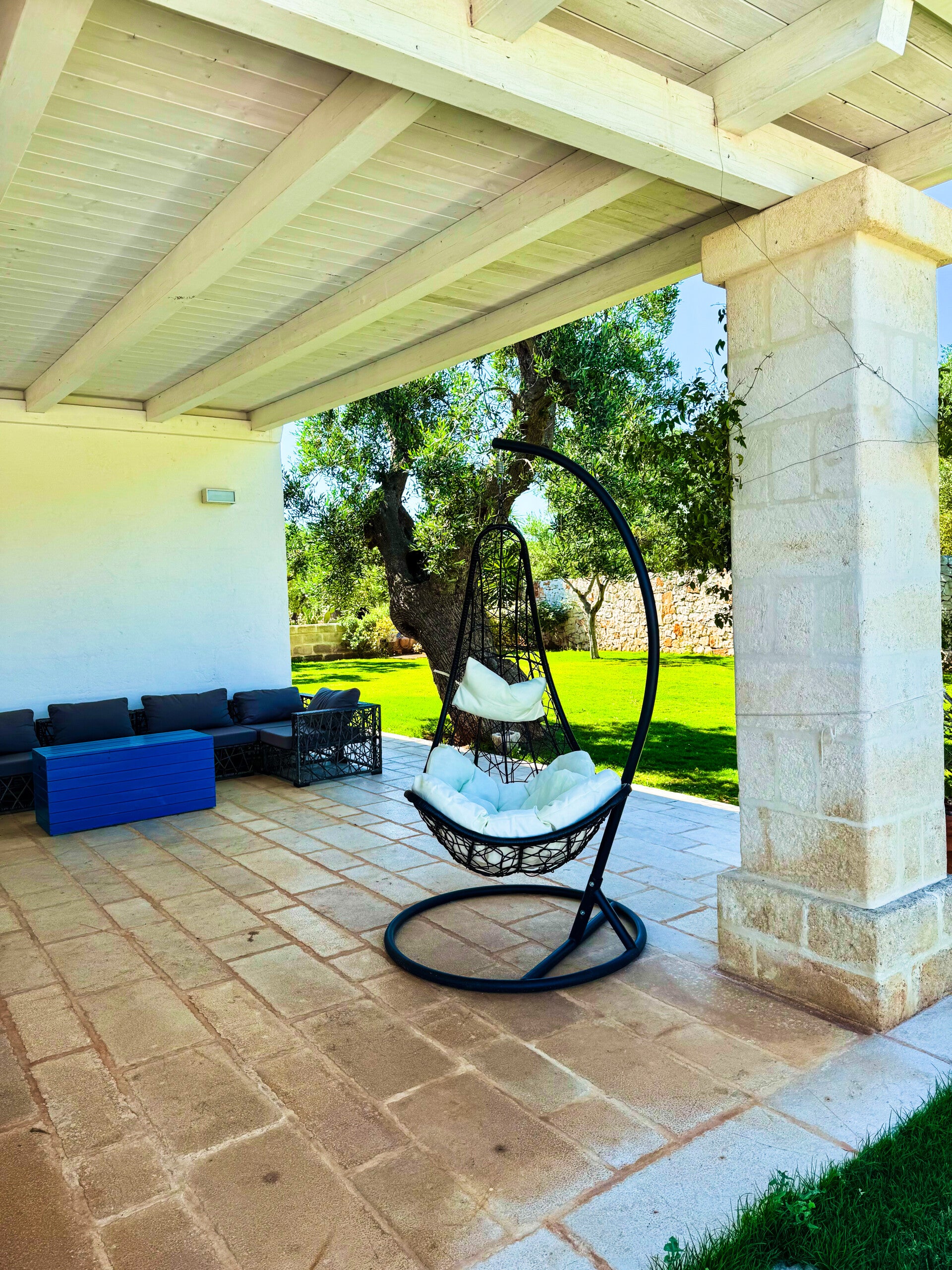
When we decided to spend our vacation in Apulia, we looked at various hotels and accommodations. It quickly became clear to us that we preferred to rent a house with a pool – which is often the more affordable option, especially if you’re traveling with several people.
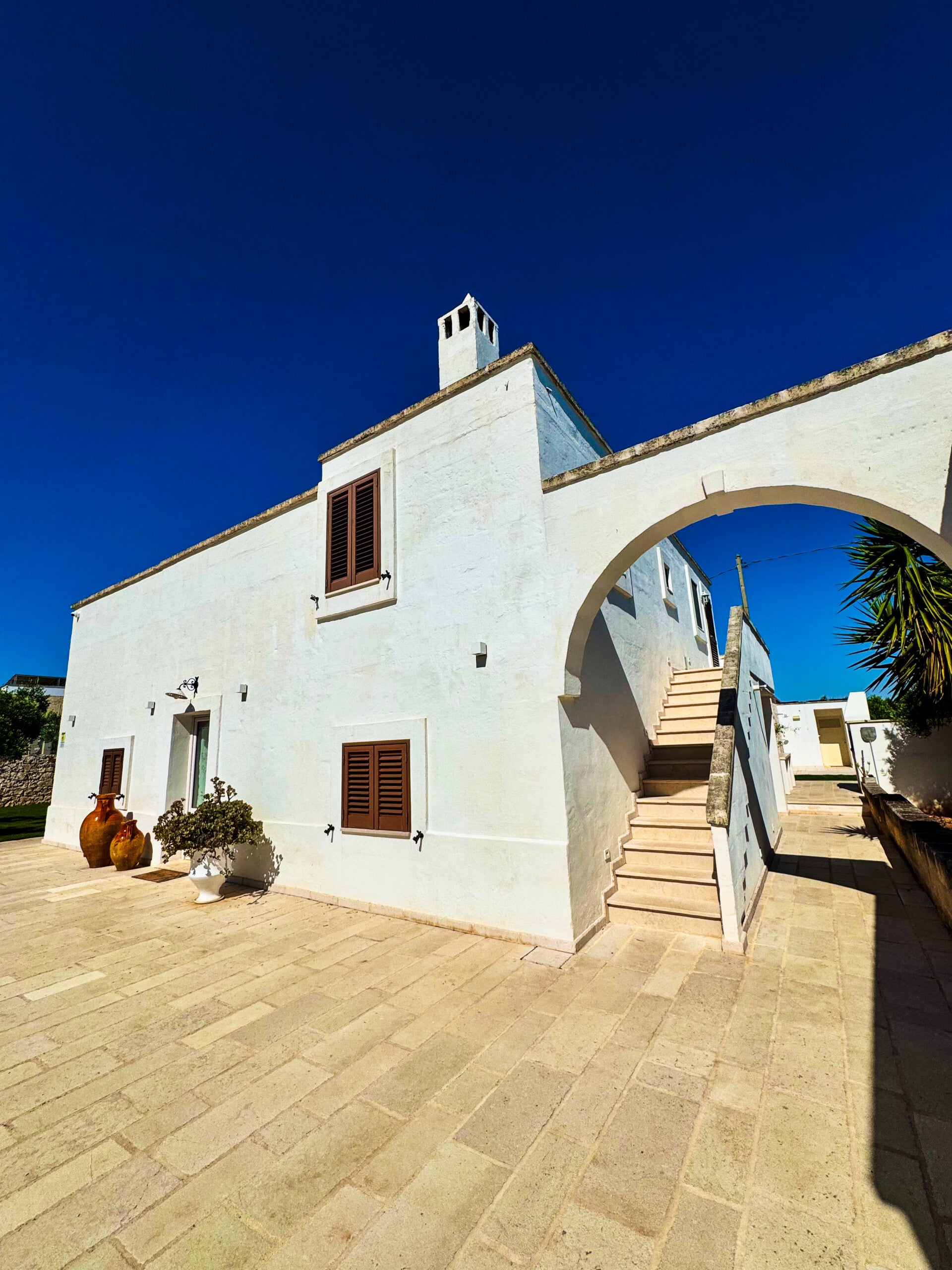
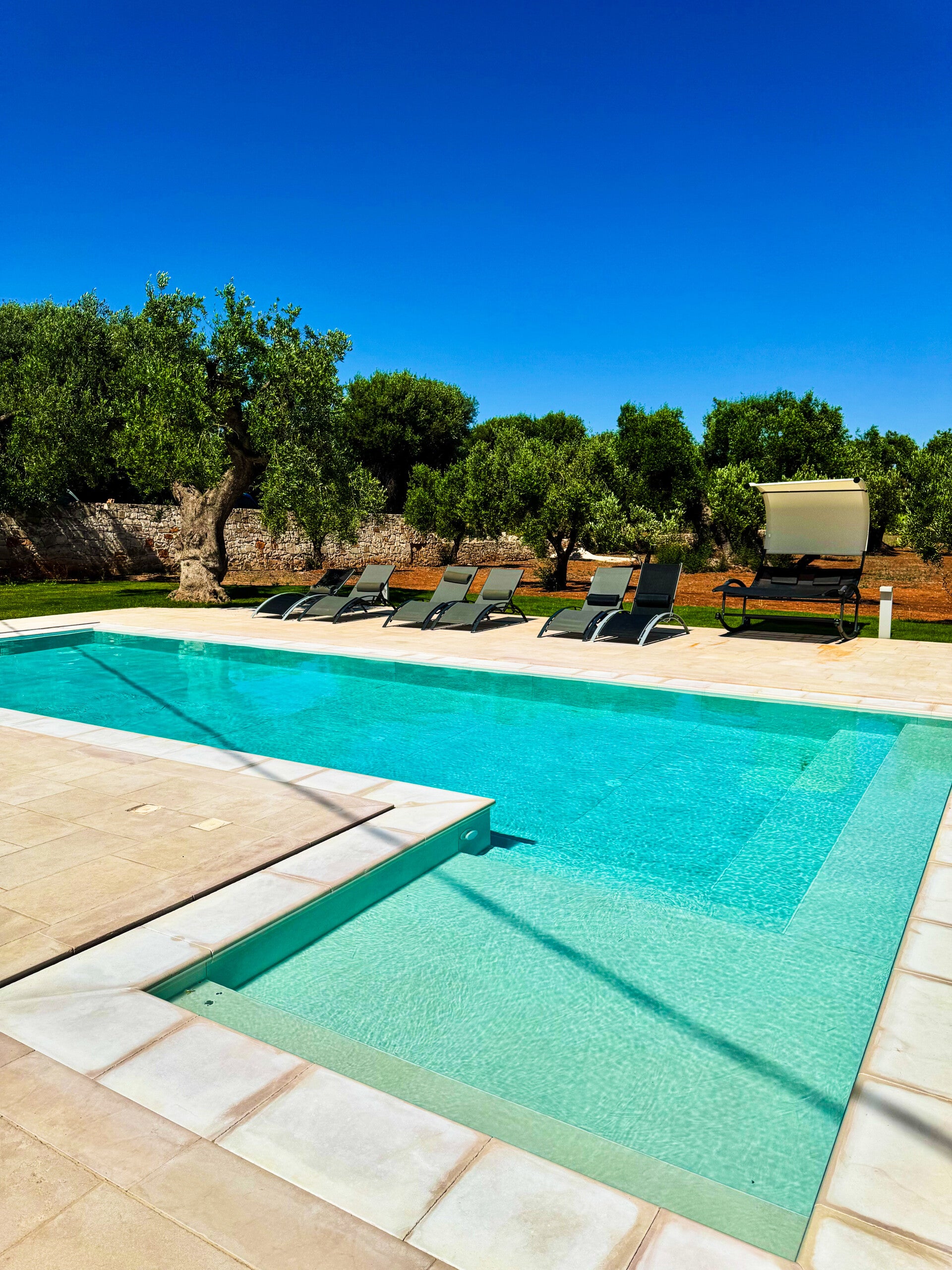
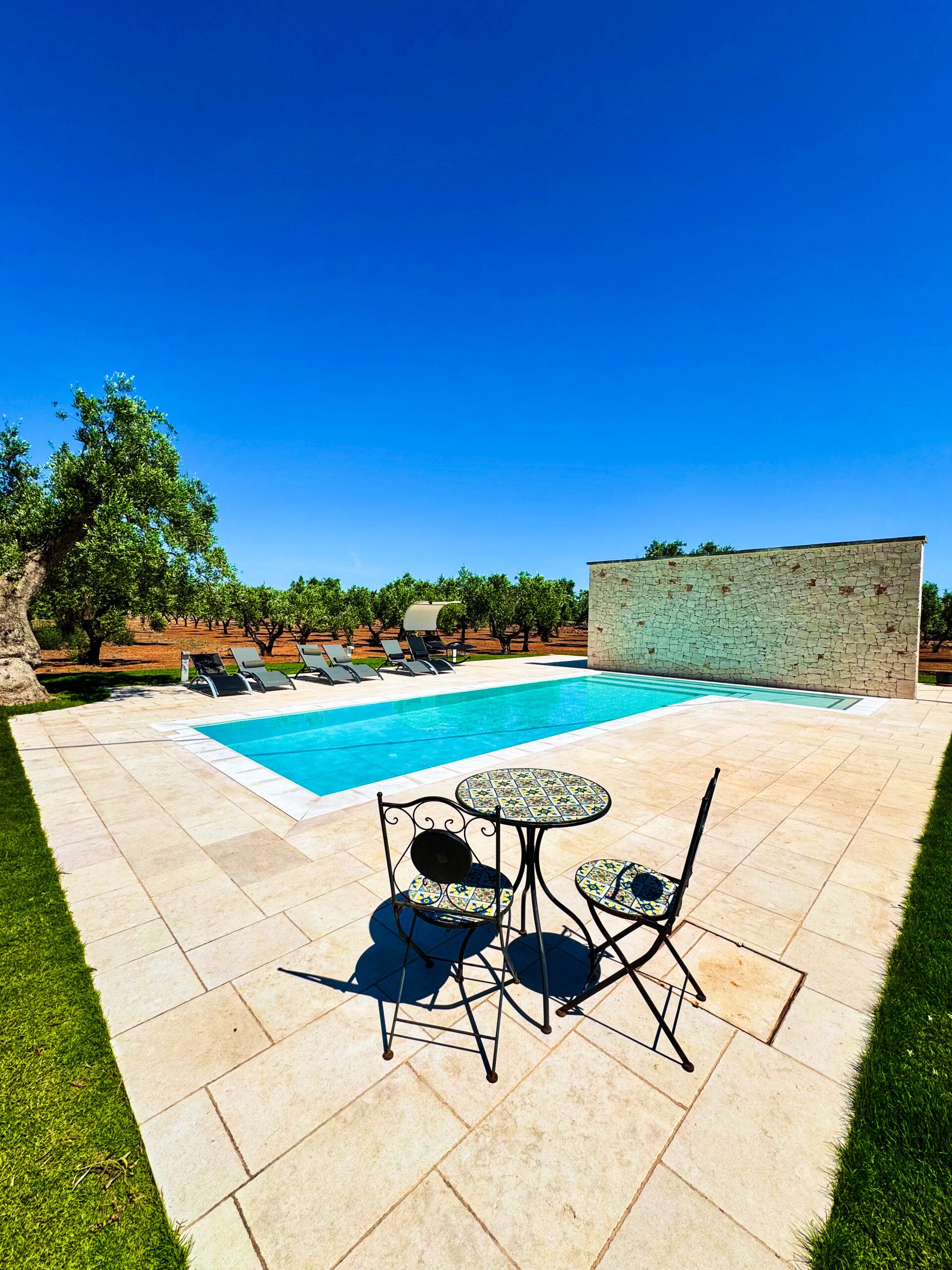
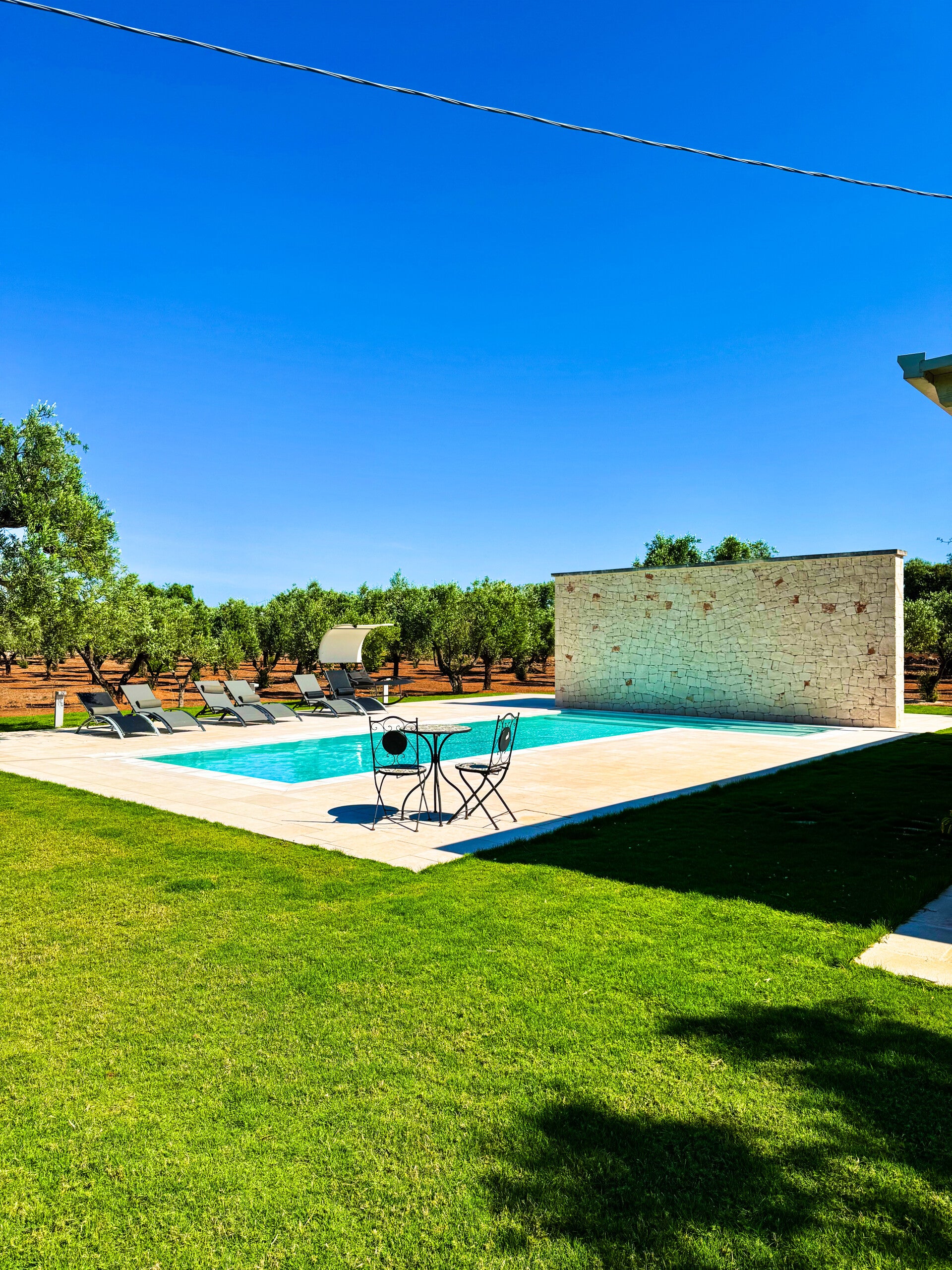
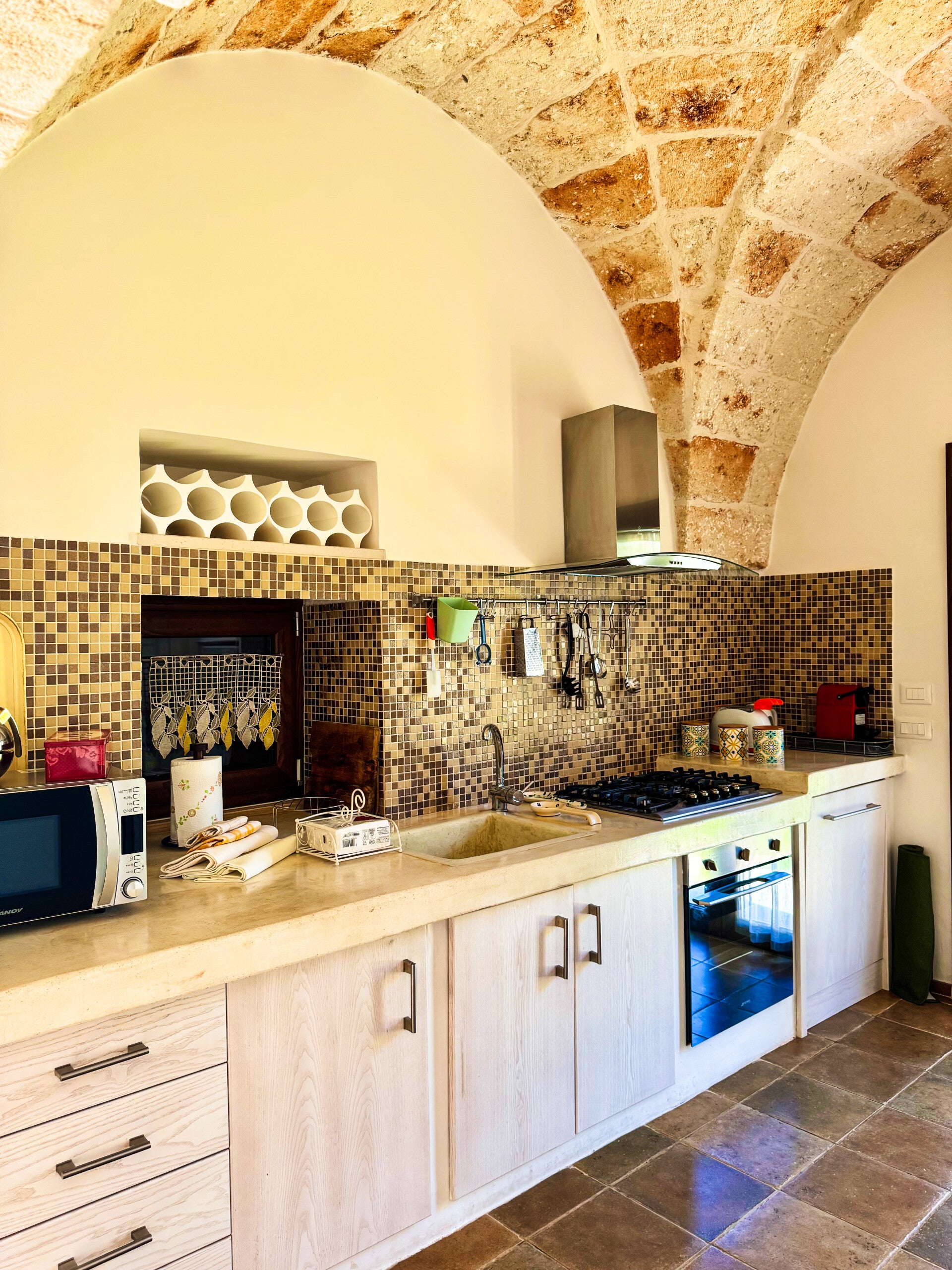
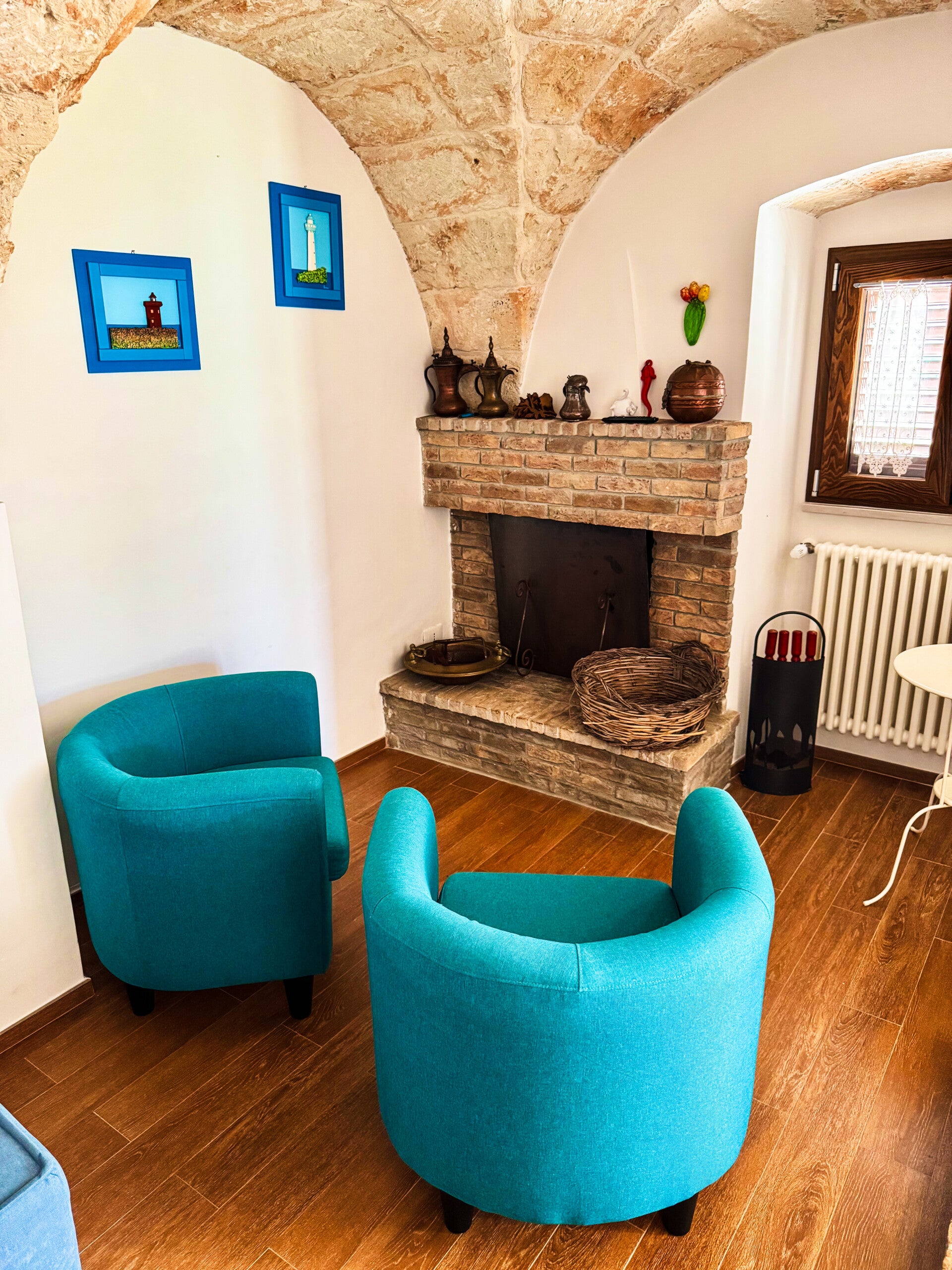
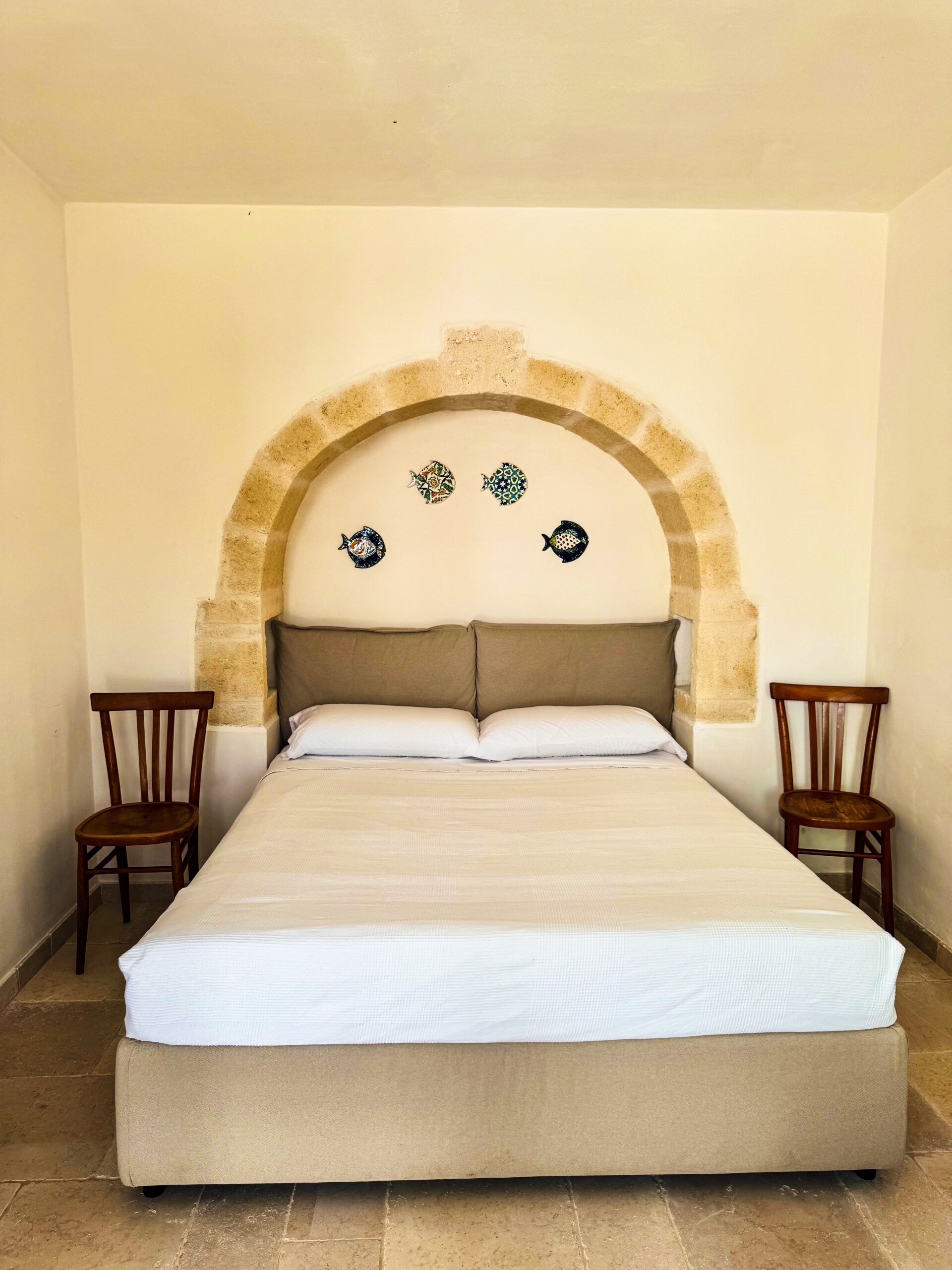
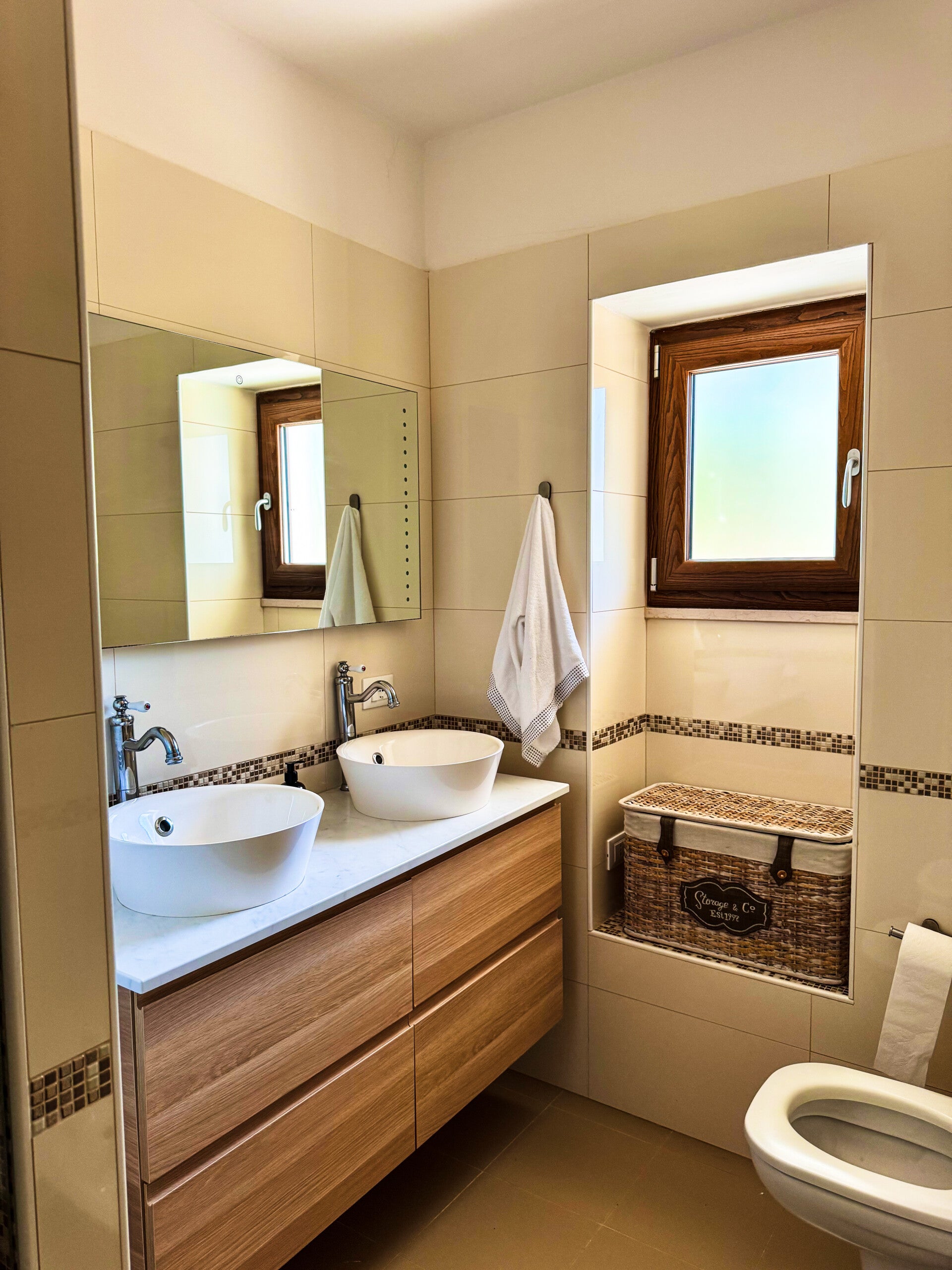
We booked our house, TD Villa Ricchiari Traditional Villa with Designer Pool, located in Montalbano, through booking.com. Our host was Danilo. We arranged a meeting point with him near the house, as it’s not that easy to find using just the GPS. When we arrived, Danilo took plenty of time to show us around and explain everything.
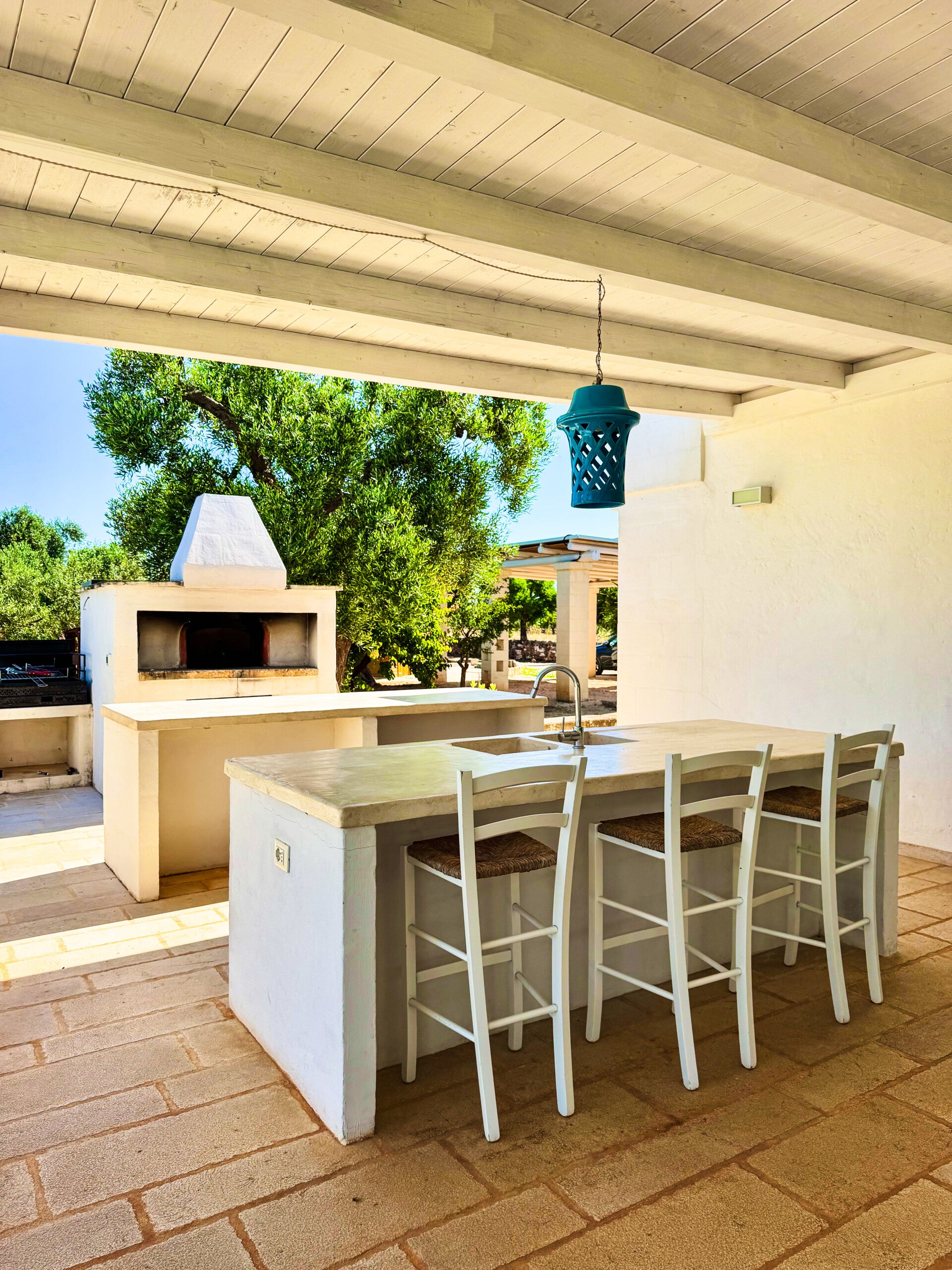
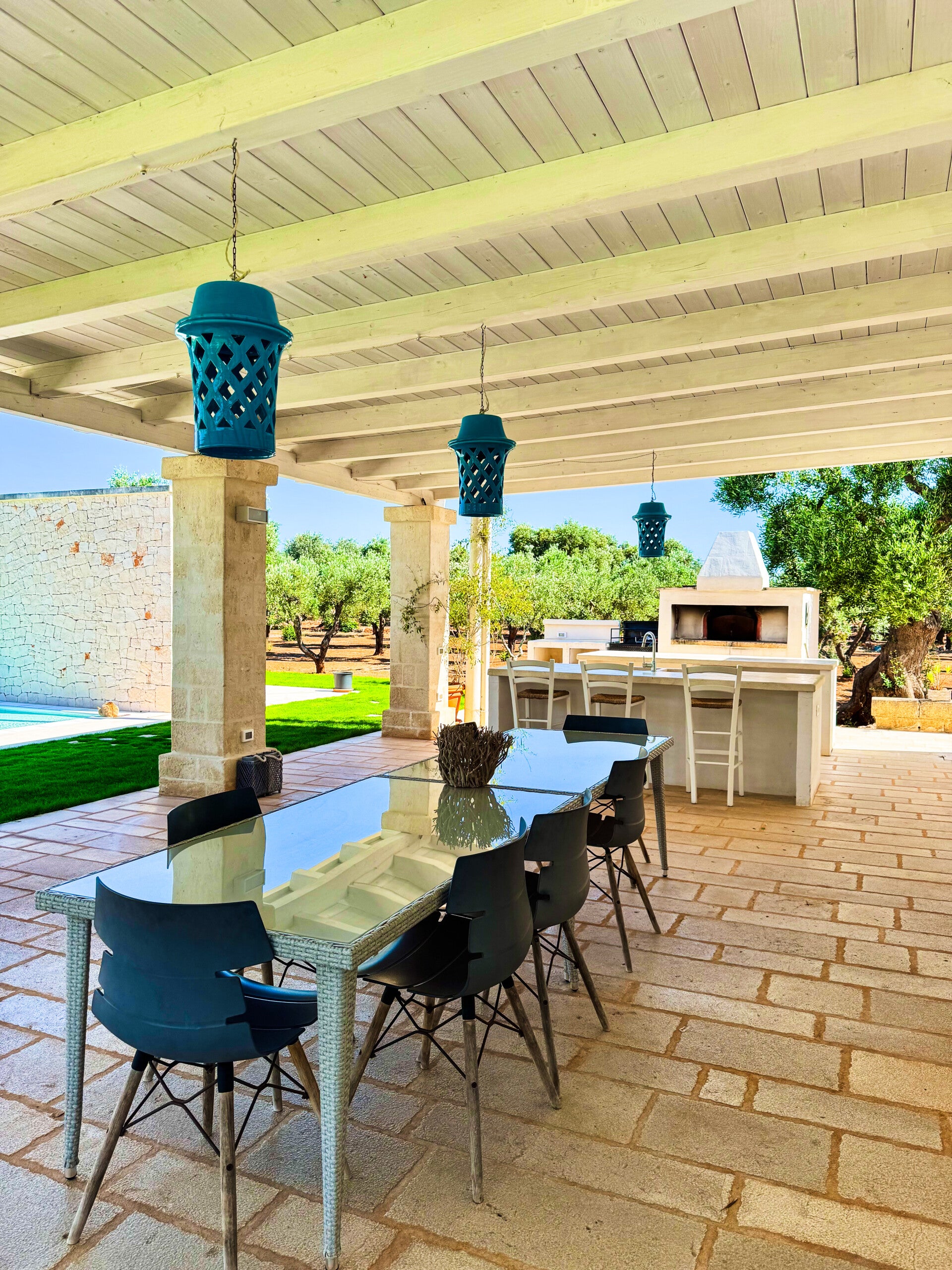
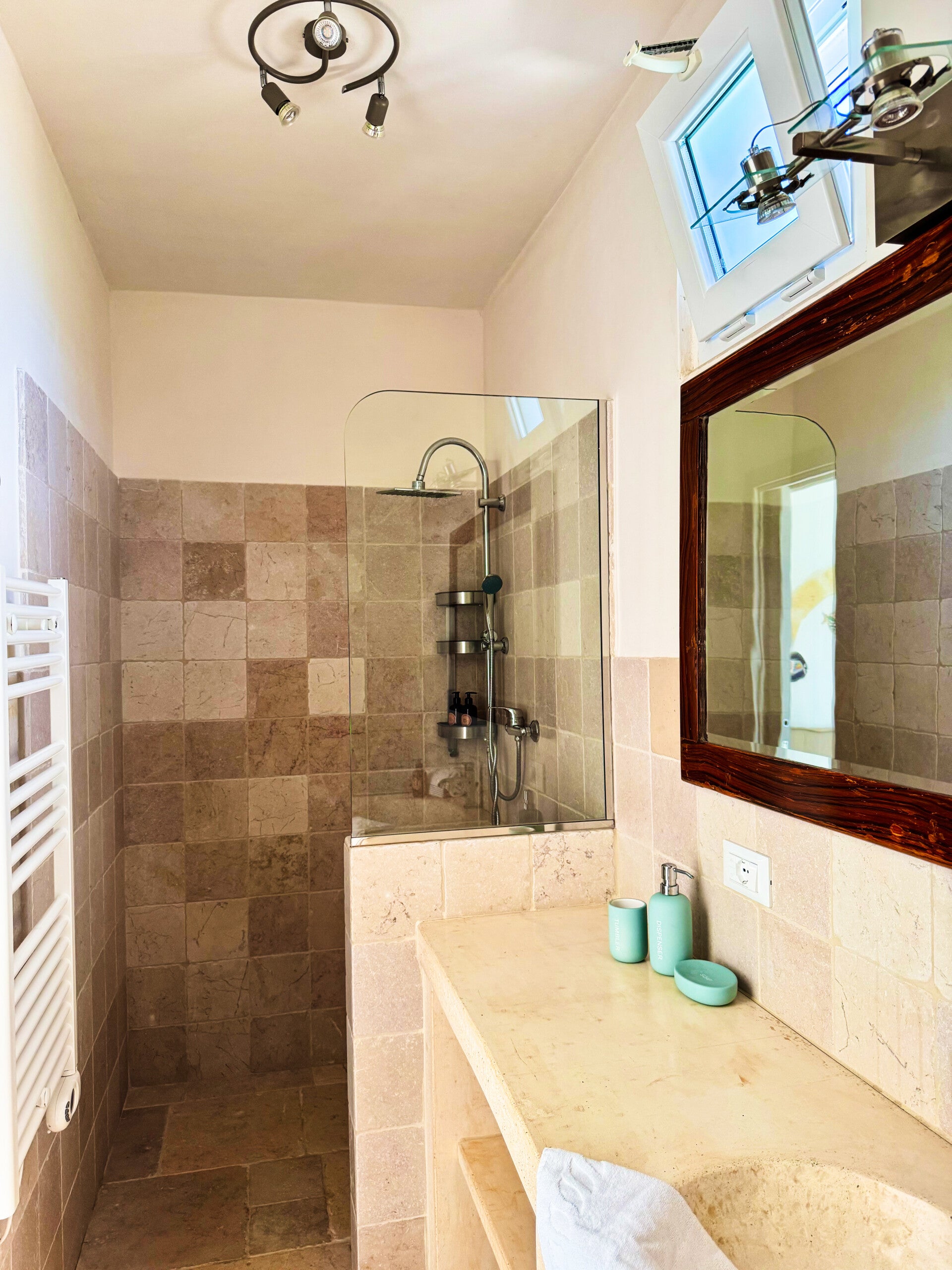
The house was simply beautiful. It had four bedrooms, three bathrooms, and a living room with a well-equipped kitchen. The outdoor area was particularly impressive – spacious, with a barbecue and a pizza oven that we made good use of.
The pool was fantastic too, and quite large – perfect for cooling off on hot days. What I especially loved was that the pool had a seating area with massage jets. I also found the outdoor shower and the outside toilet right next to the pool extremely convenient – you didn’t have to go inside wet every time.


Alberobello
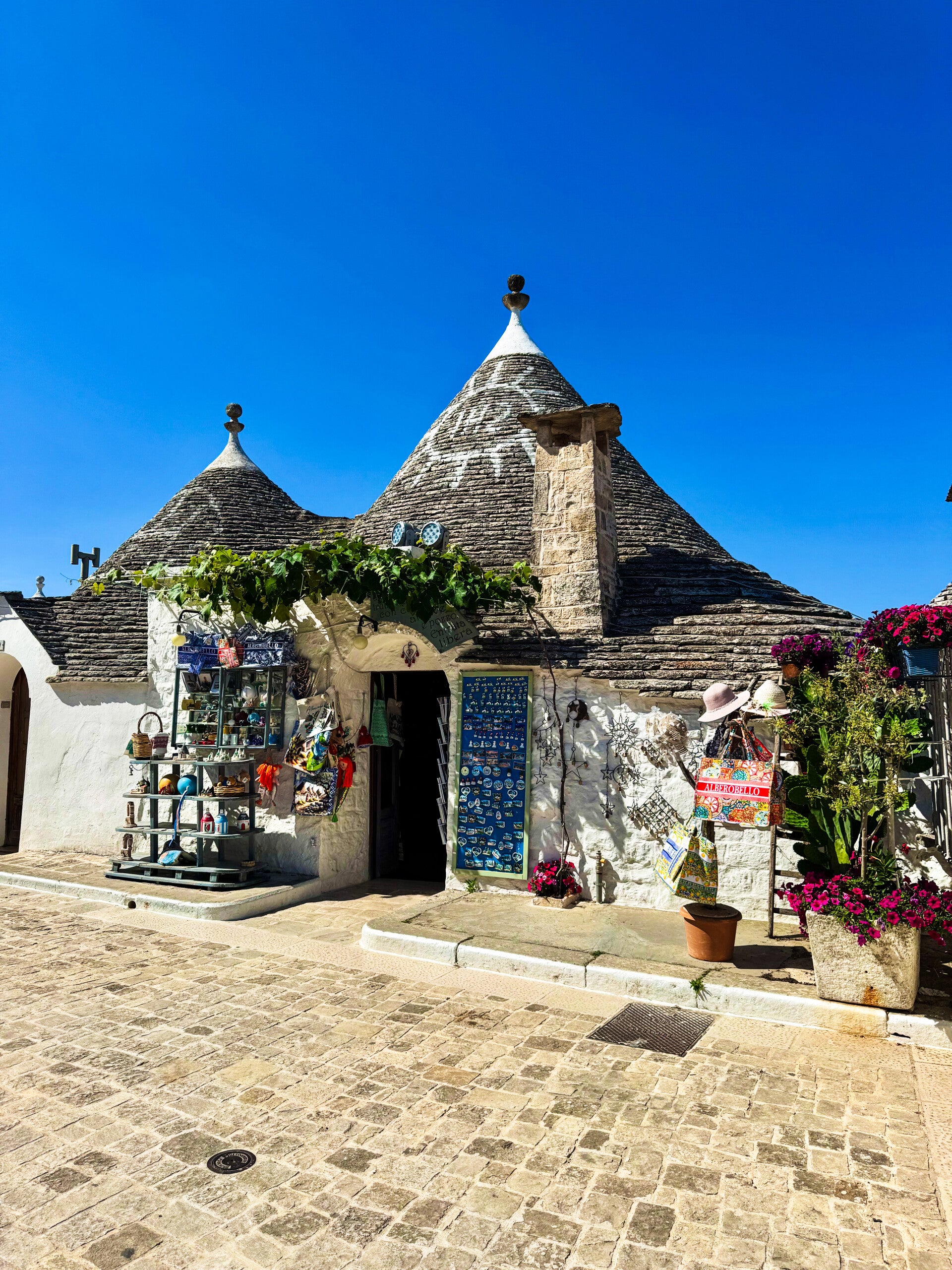
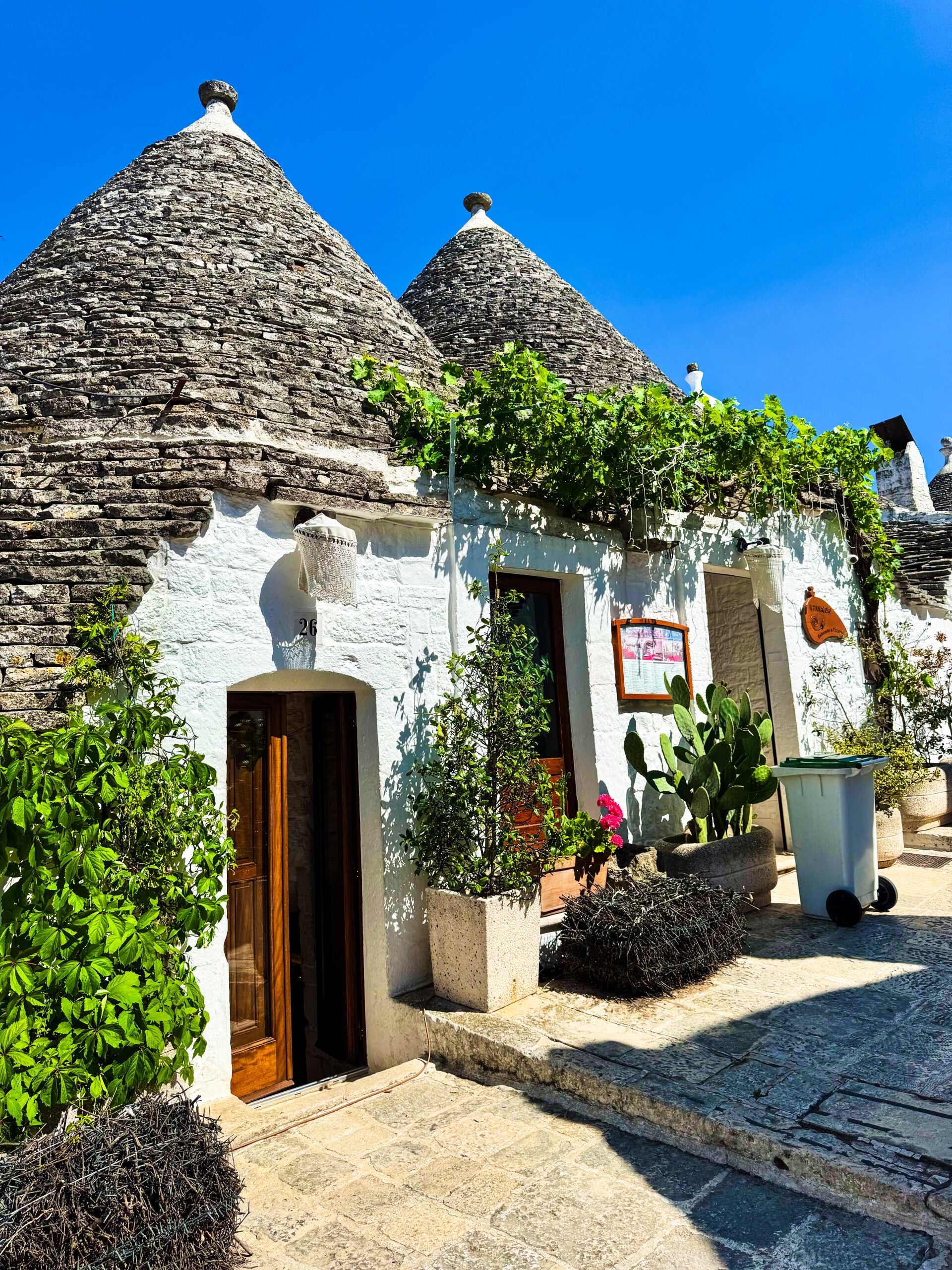
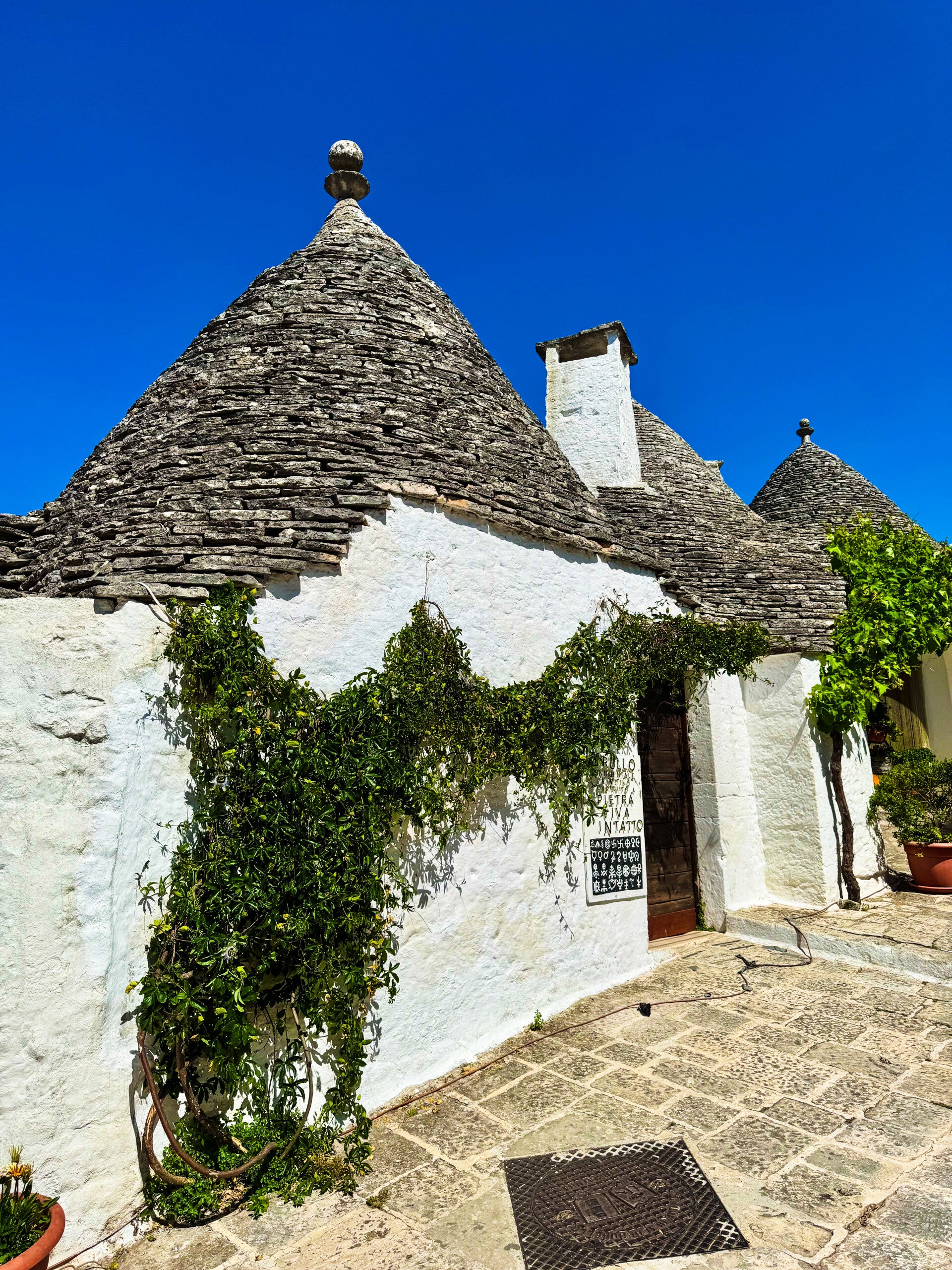
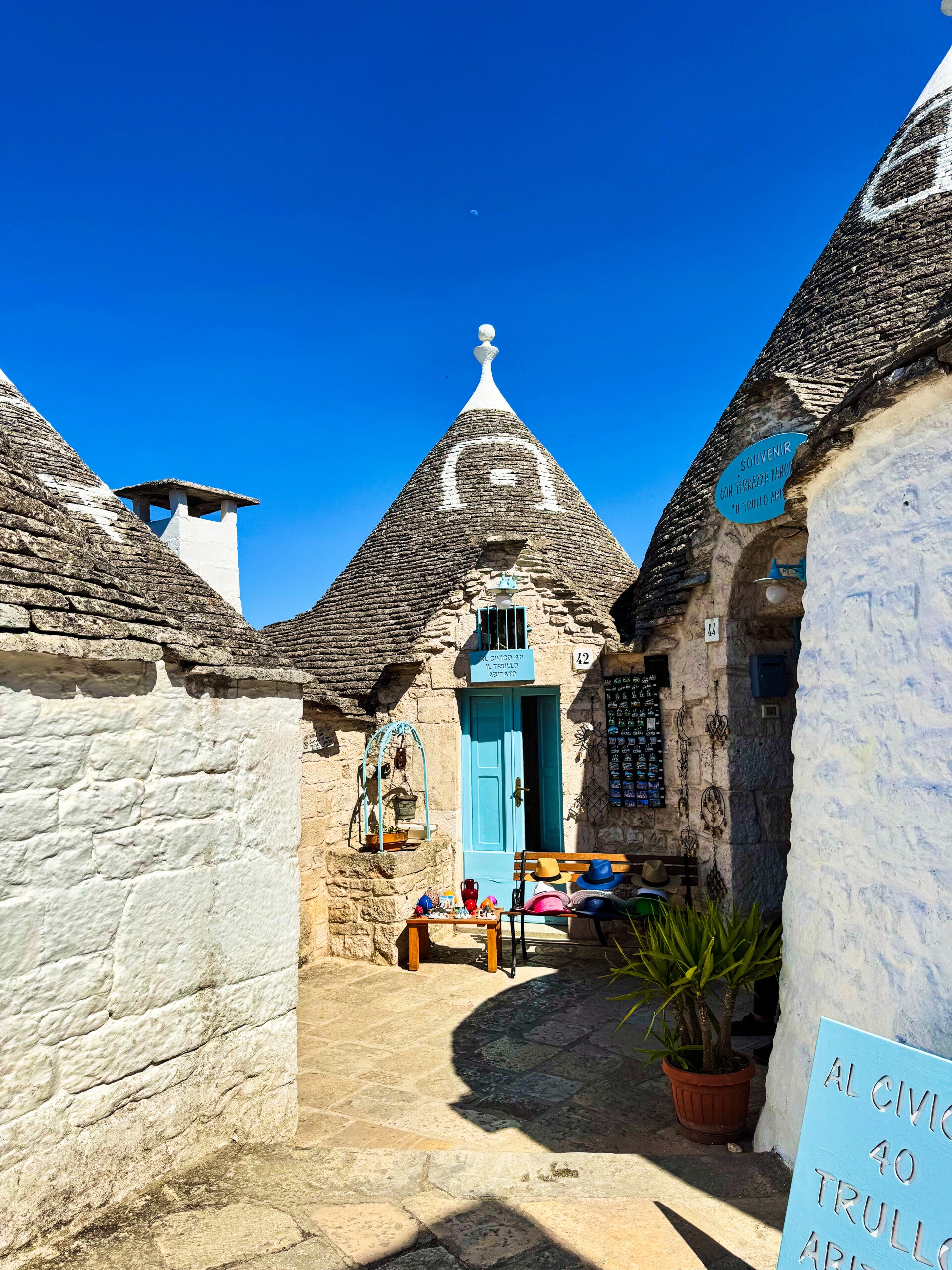
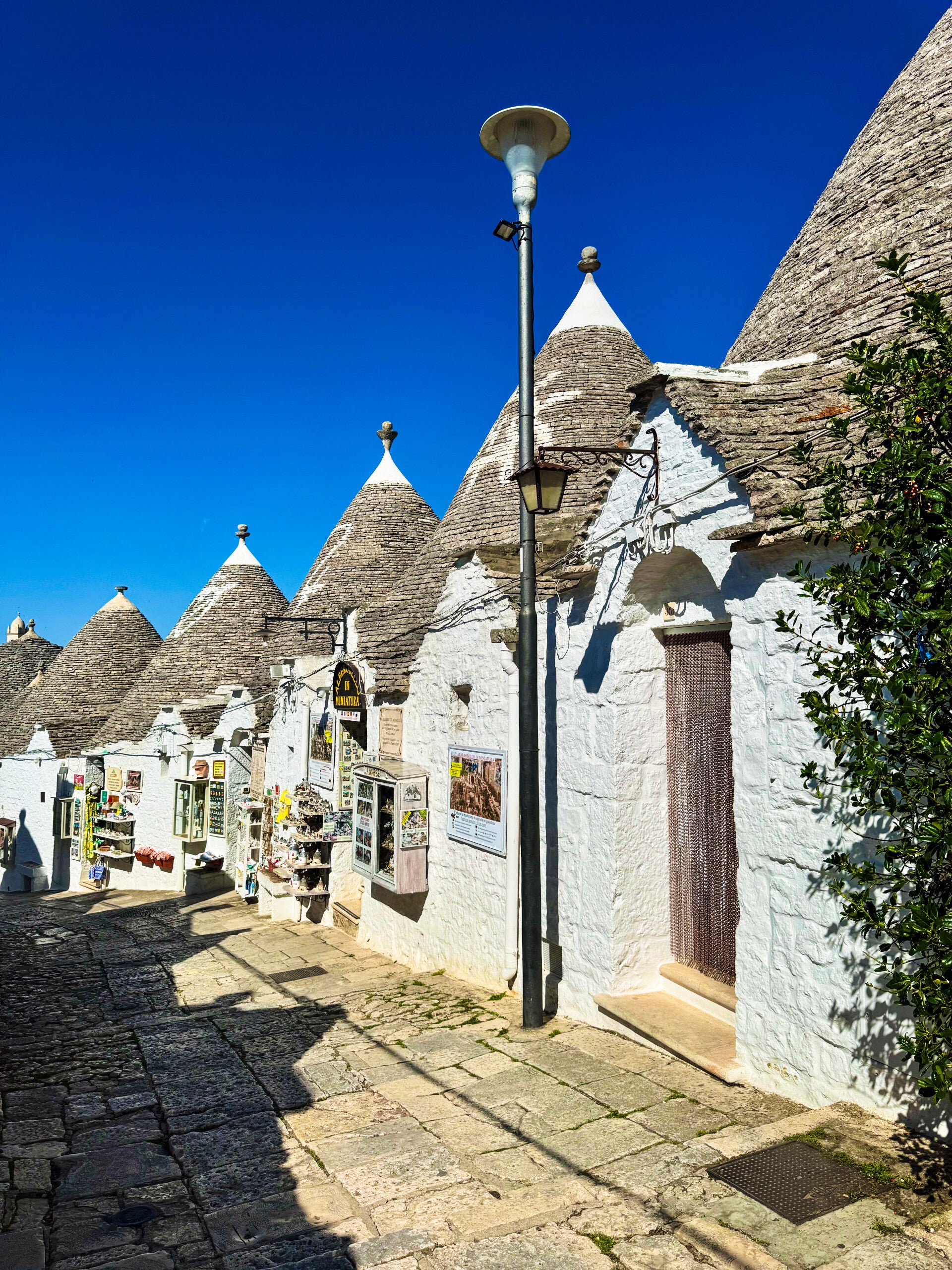
One of the most famous places in Apulia is certainly Alberobello, with its many trulli. These typical round stone houses are part of the UNESCO World Heritage.
We already knew the town would be full of tourists, but we didn’t want to miss it – and indeed, there were quite a lot of people. Honestly, though, I had expected it to be even more crowded. Maybe it was because we visited in June.
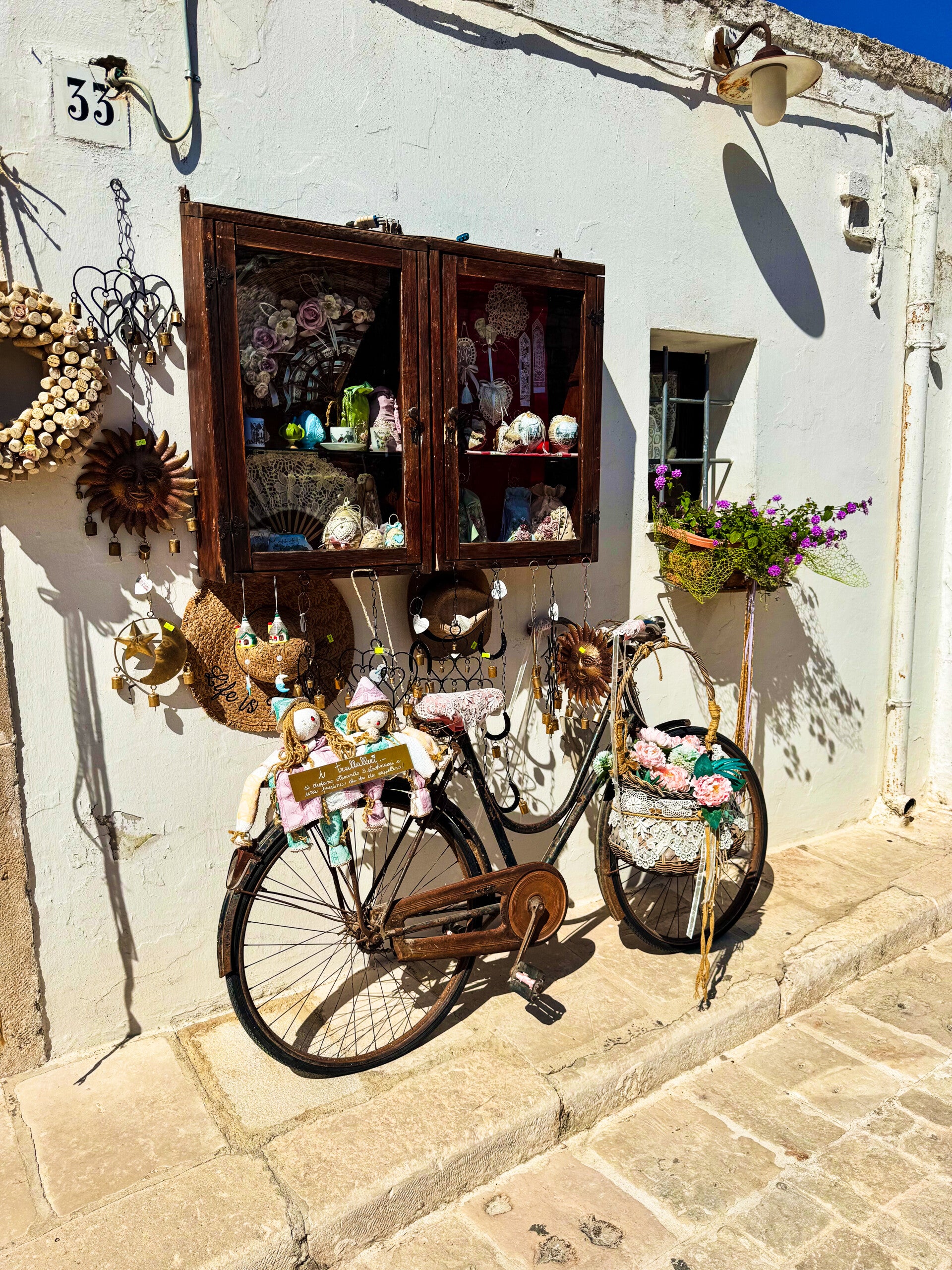
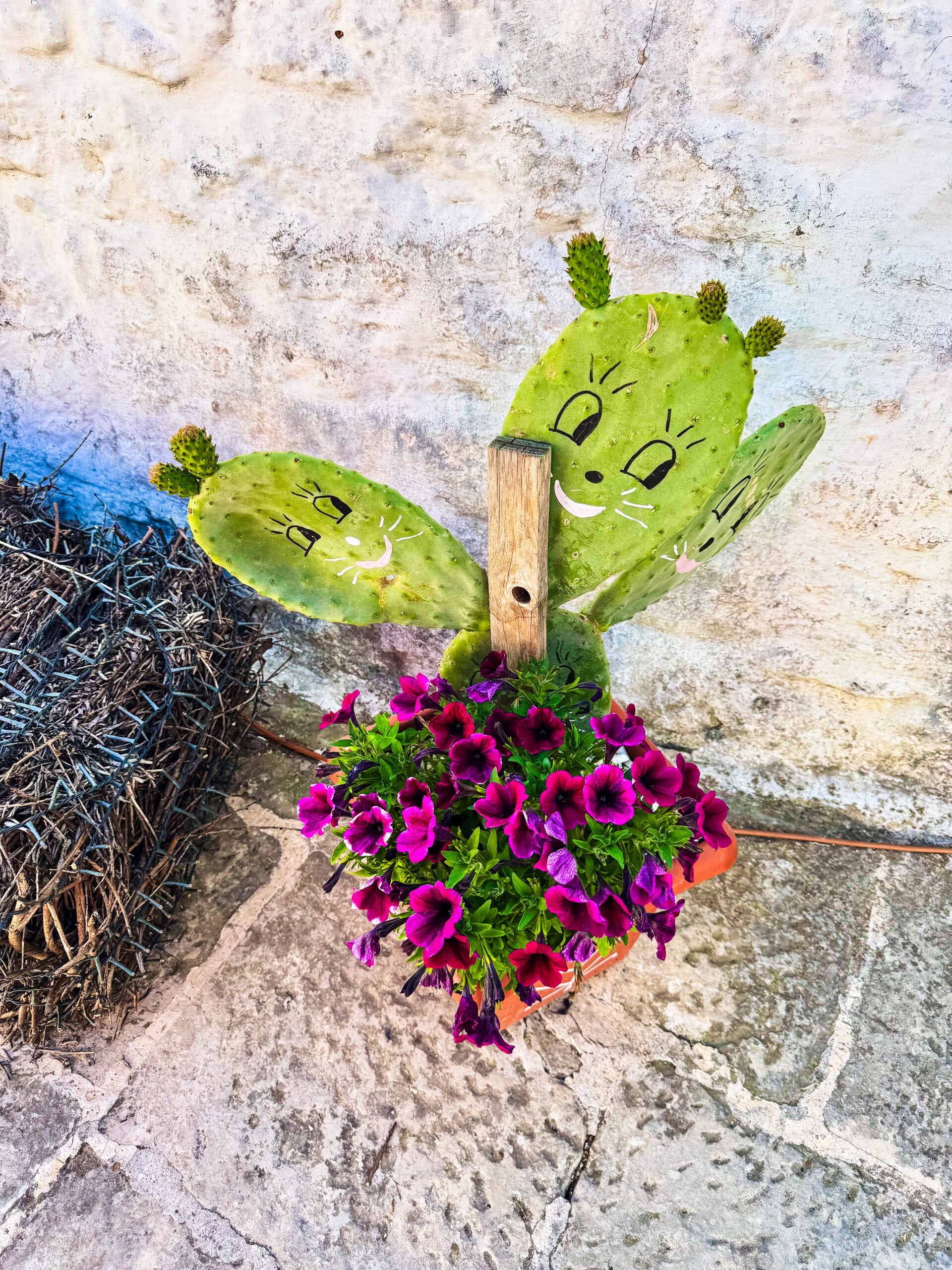
We strolled leisurely through the village, wandering from one trullo to the next. Many of them housed small shops for tourists. In one particularly beautiful trullo, we bought some delicious limoncello and olive oil. We also got ourselves a cornicello – but beware: you can’t buy luck for yourself!
According to tradition, the cornicello only fulfills its purpose if it’s given to you by someone dear. So of course, we decided to exchange them with each other. But what exactly is a cornicello? It’s a traditional good-luck charm, believed to protect against the evil eye (malocchio). It’s considered a symbol of protection from envy, jealousy, and negative energy. Traditionally, it was worn by babies, pregnant women, and businesspeople to keep misfortune away.

Locorotondo
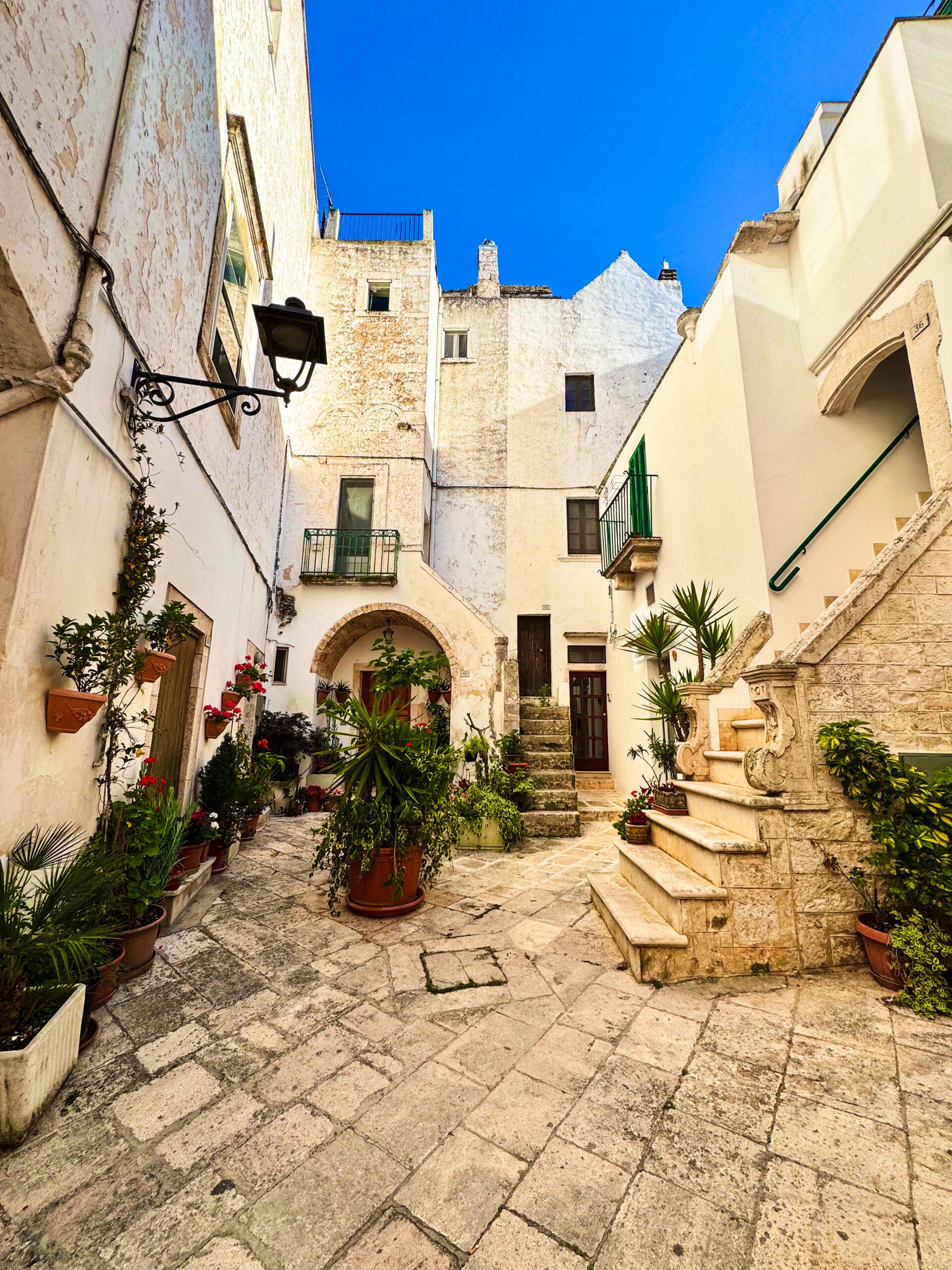
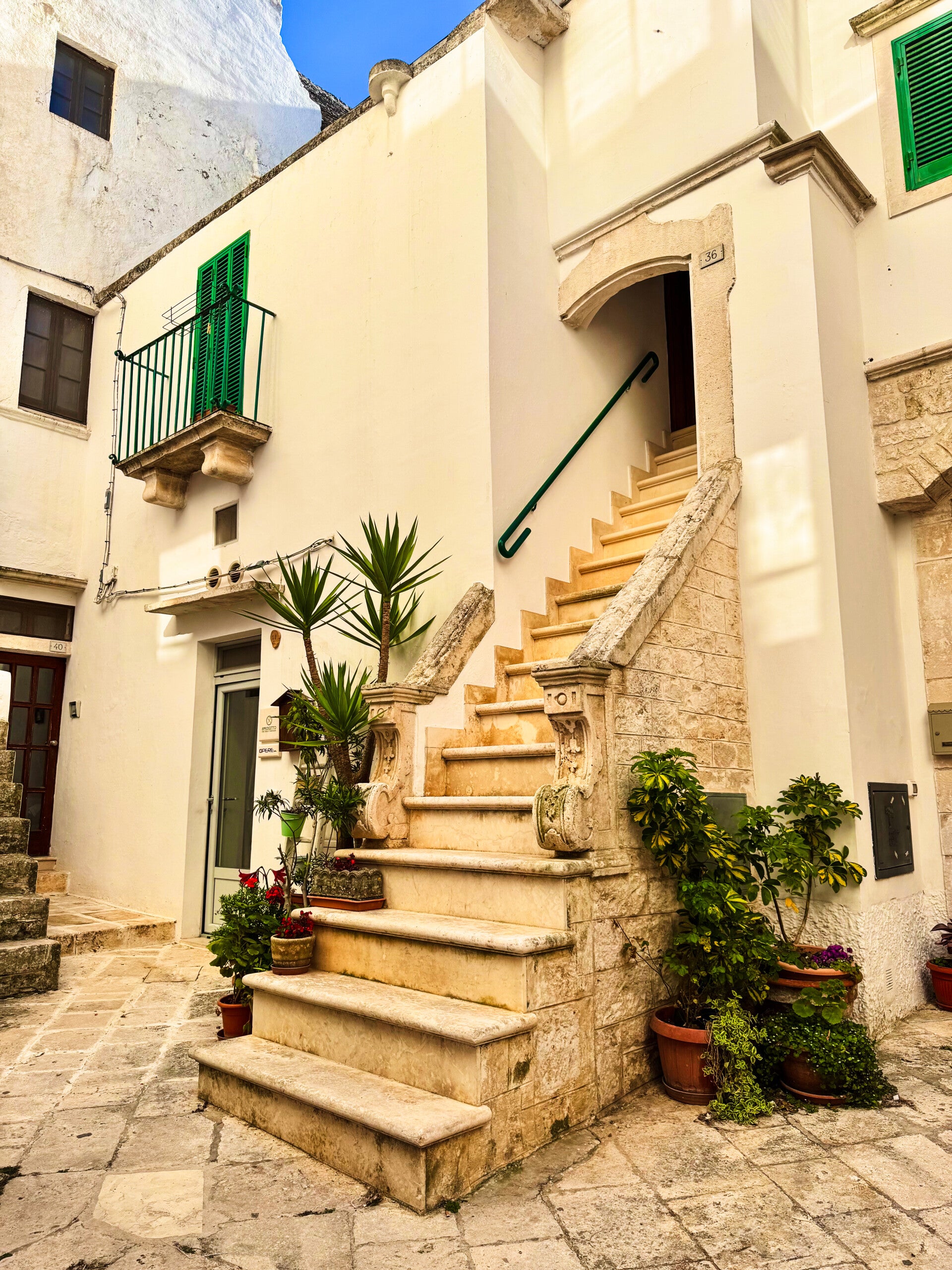
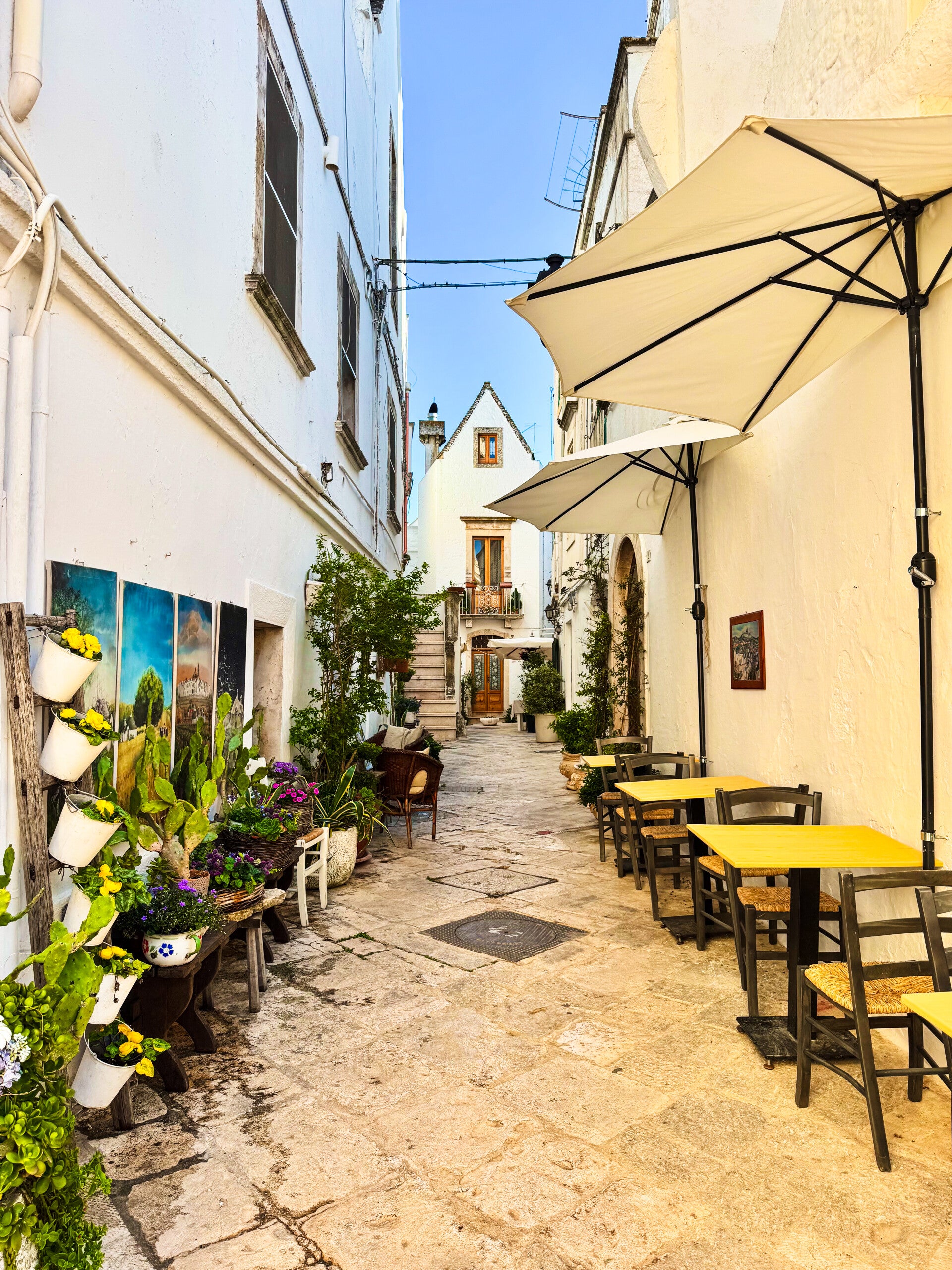
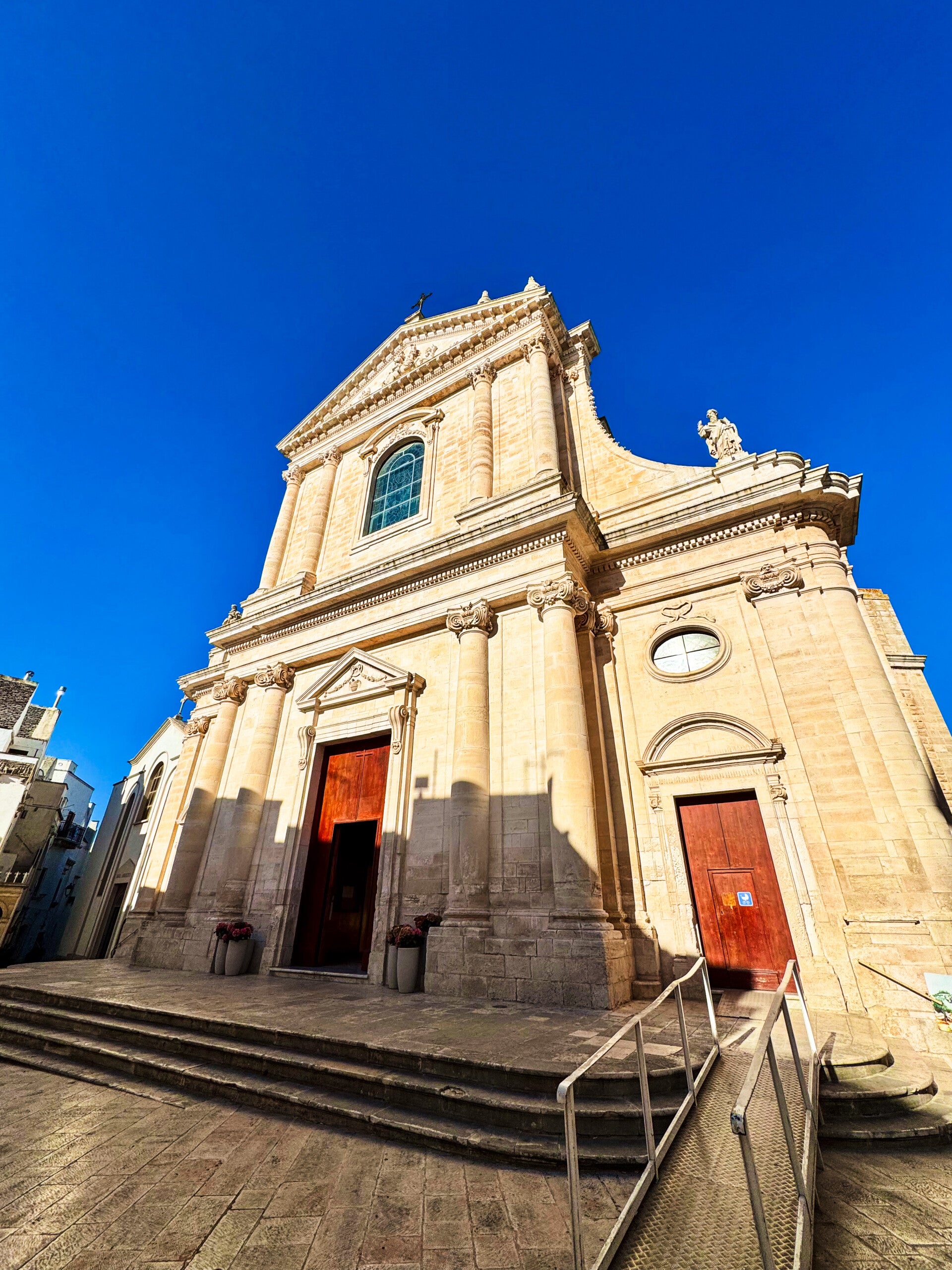
Not far from Alberobello, also located in the Valle d’Itria, lies Locorotondo. The name means “round town” – and indeed, the village is built in a circular shape.
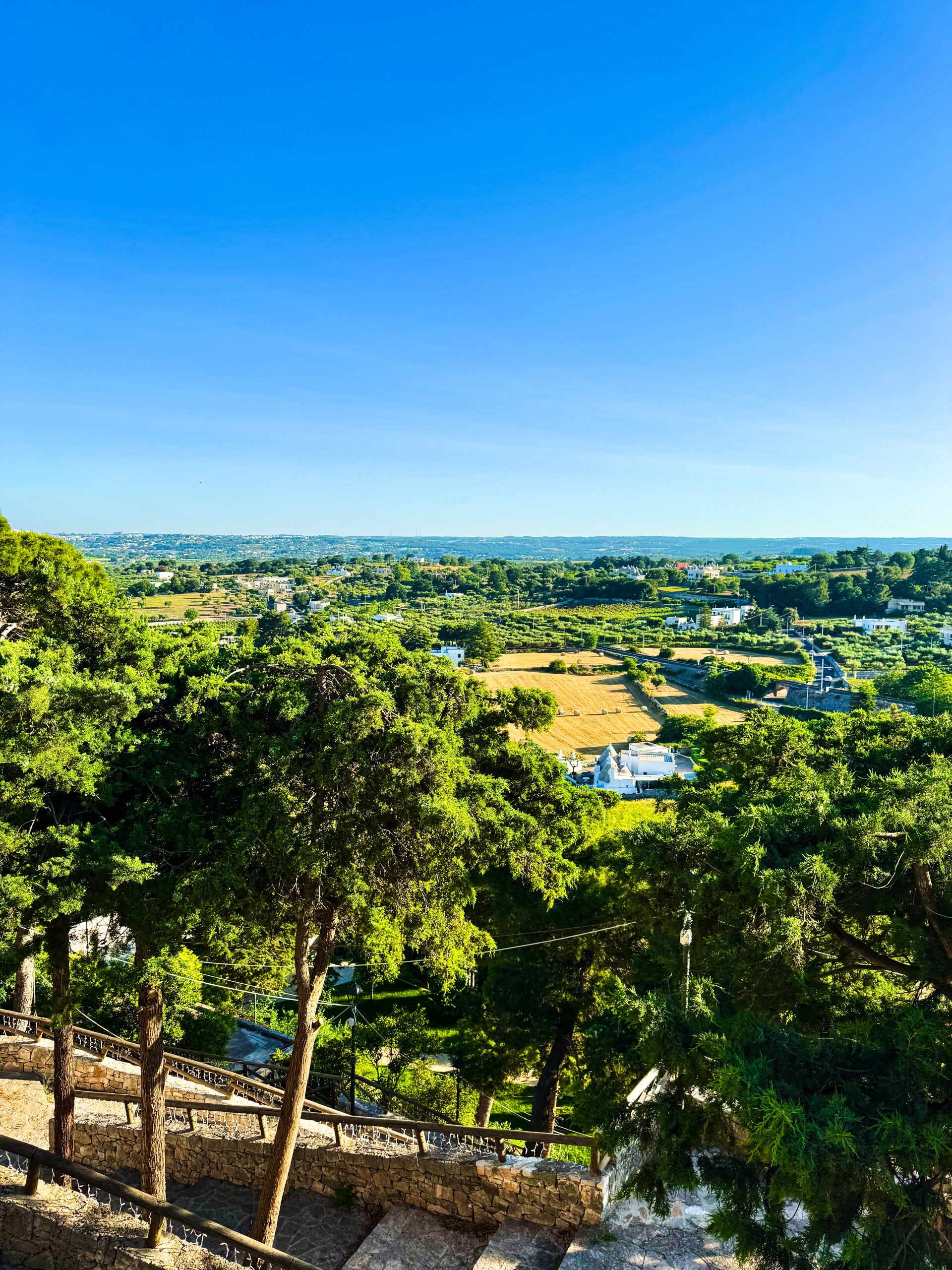
What I especially liked about Locorotondo is that it’s very compact, and everything is easy to reach on foot. I can highly recommend visiting the viewpoint at Parco Comunale. It’s a small, charming park on the edge of town with a beautiful panoramic view.
When you're at the park, you can then walk to the terrace of the village, just to the left – there you’ll find several lovely restaurants, all offering a stunning view over the Valle d’Itria.
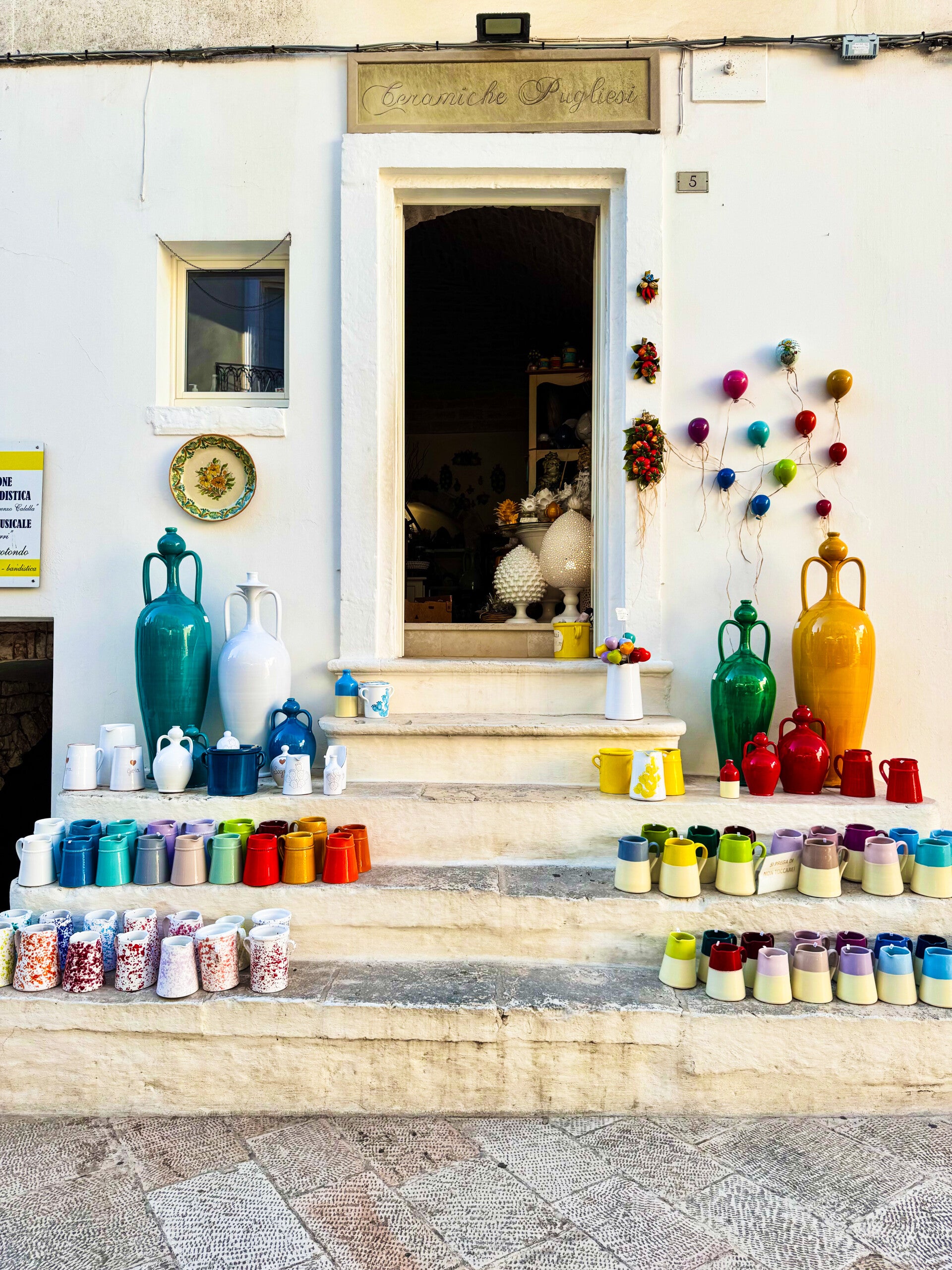
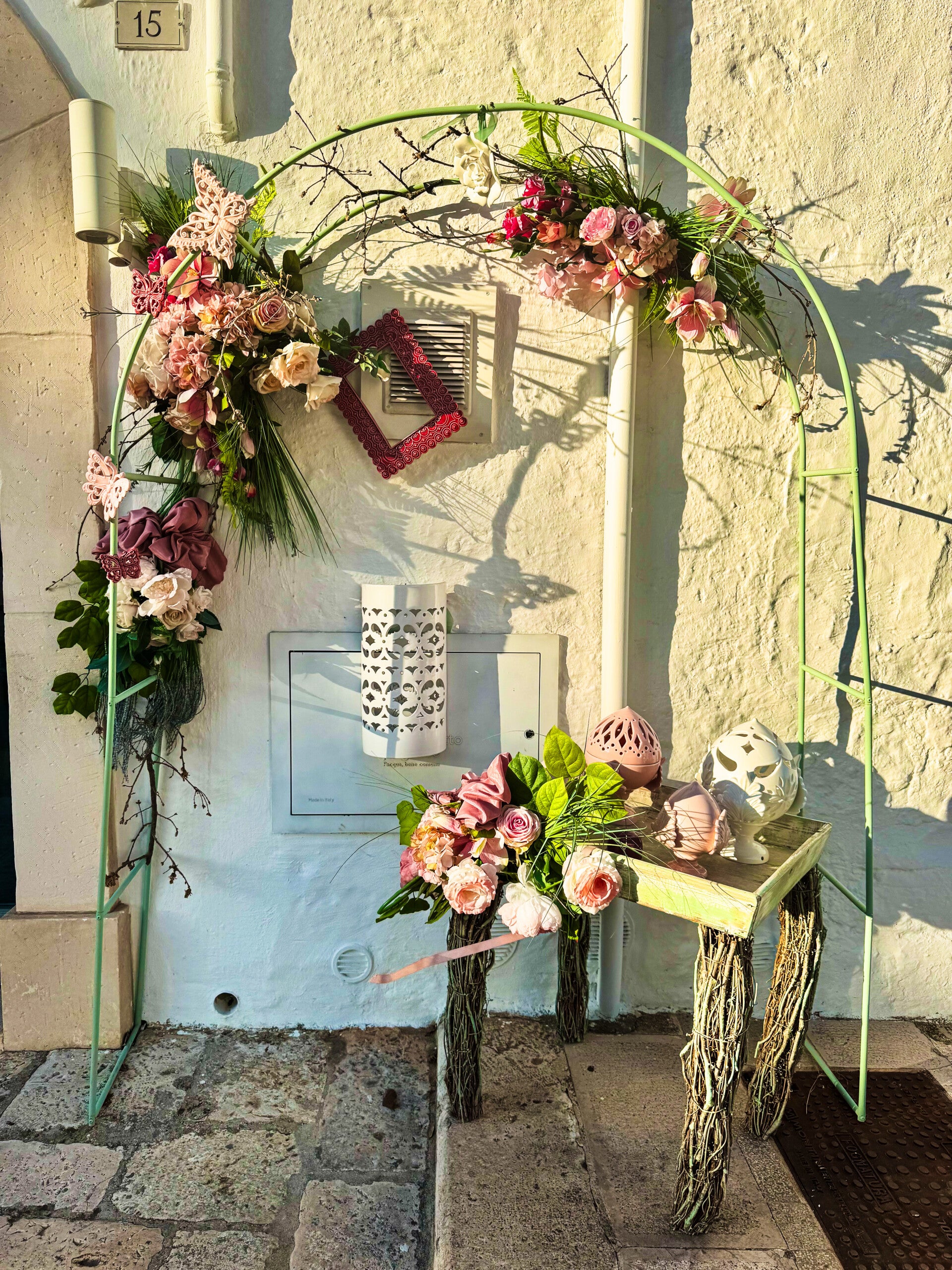
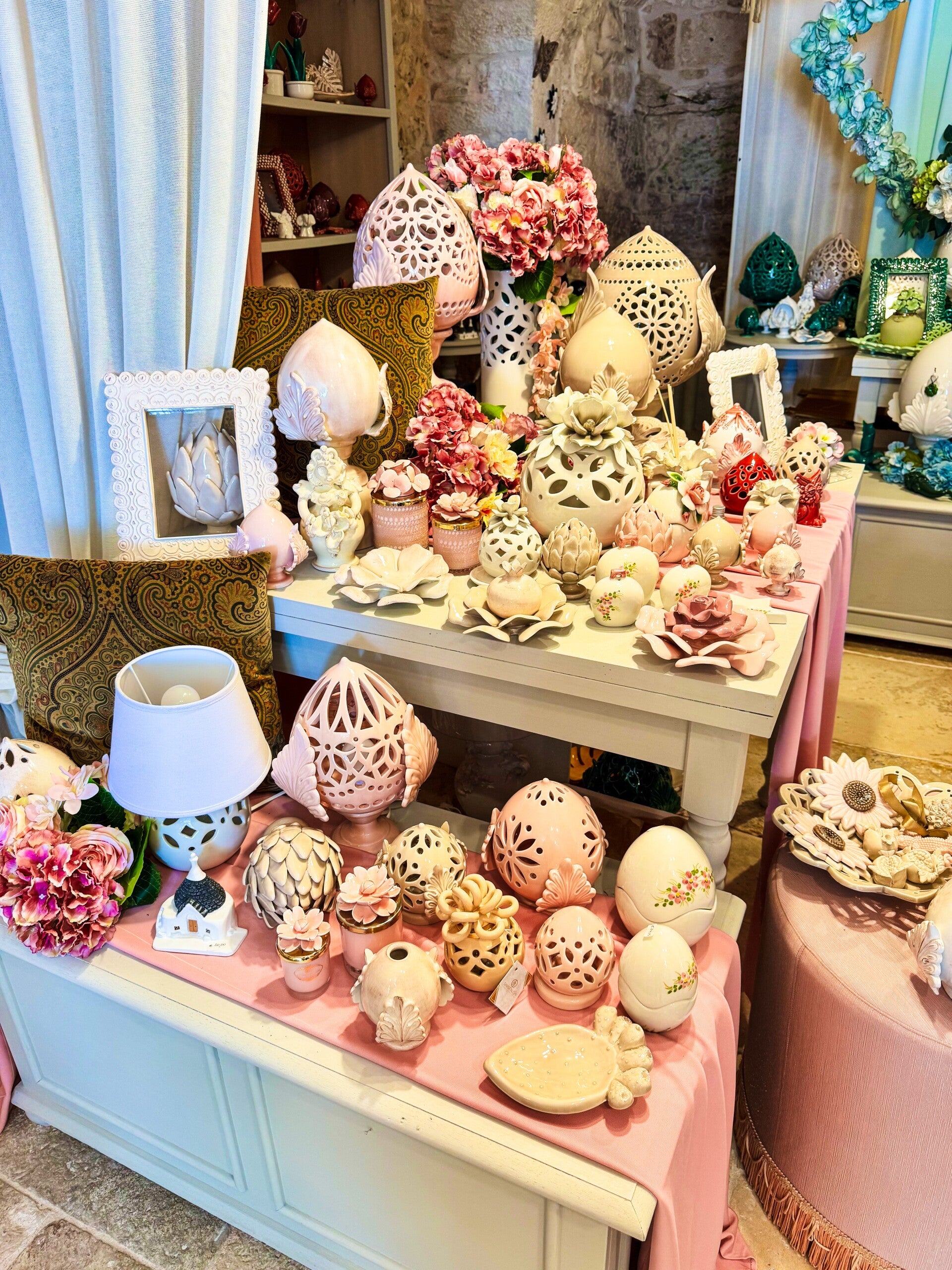
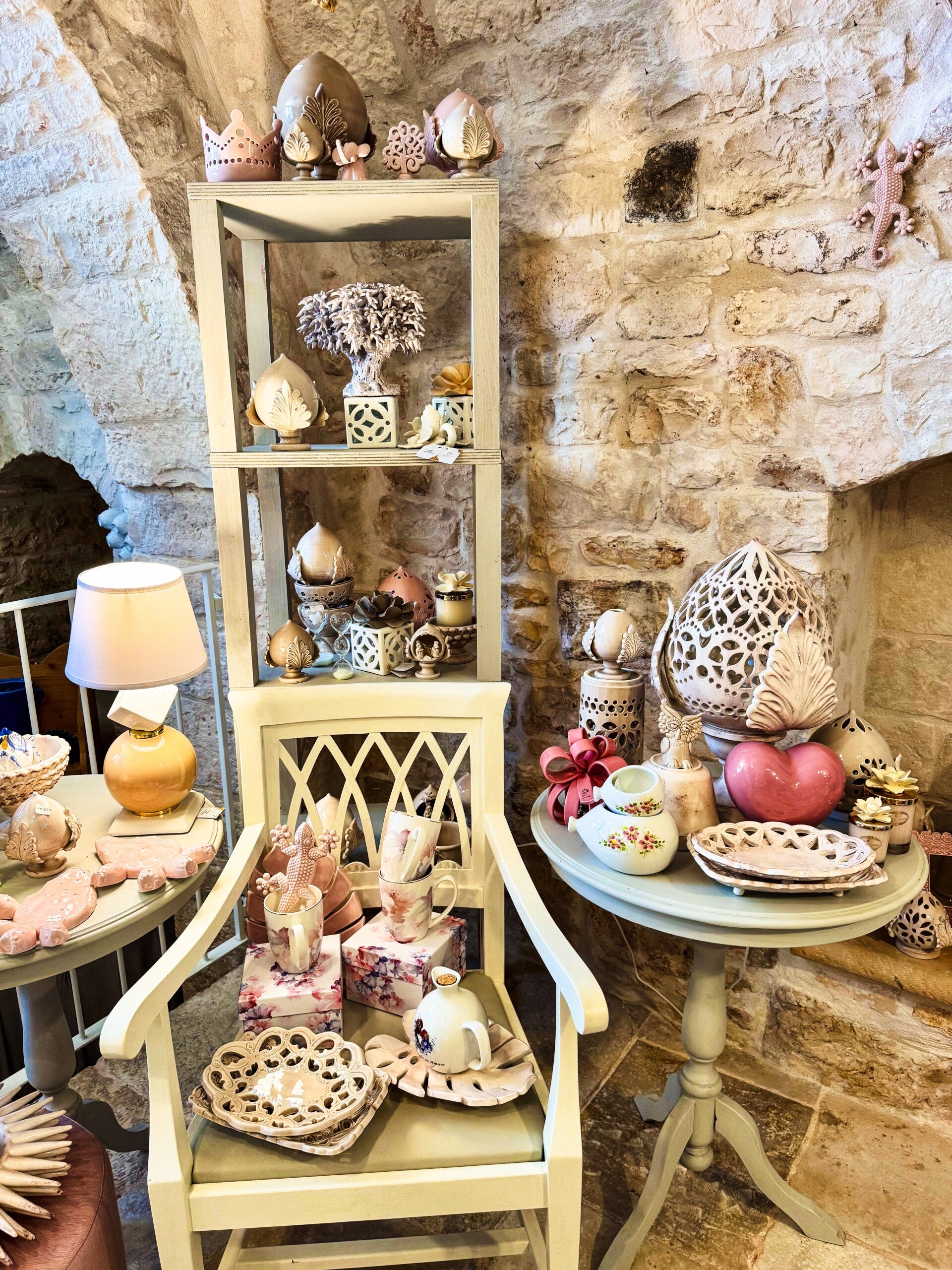
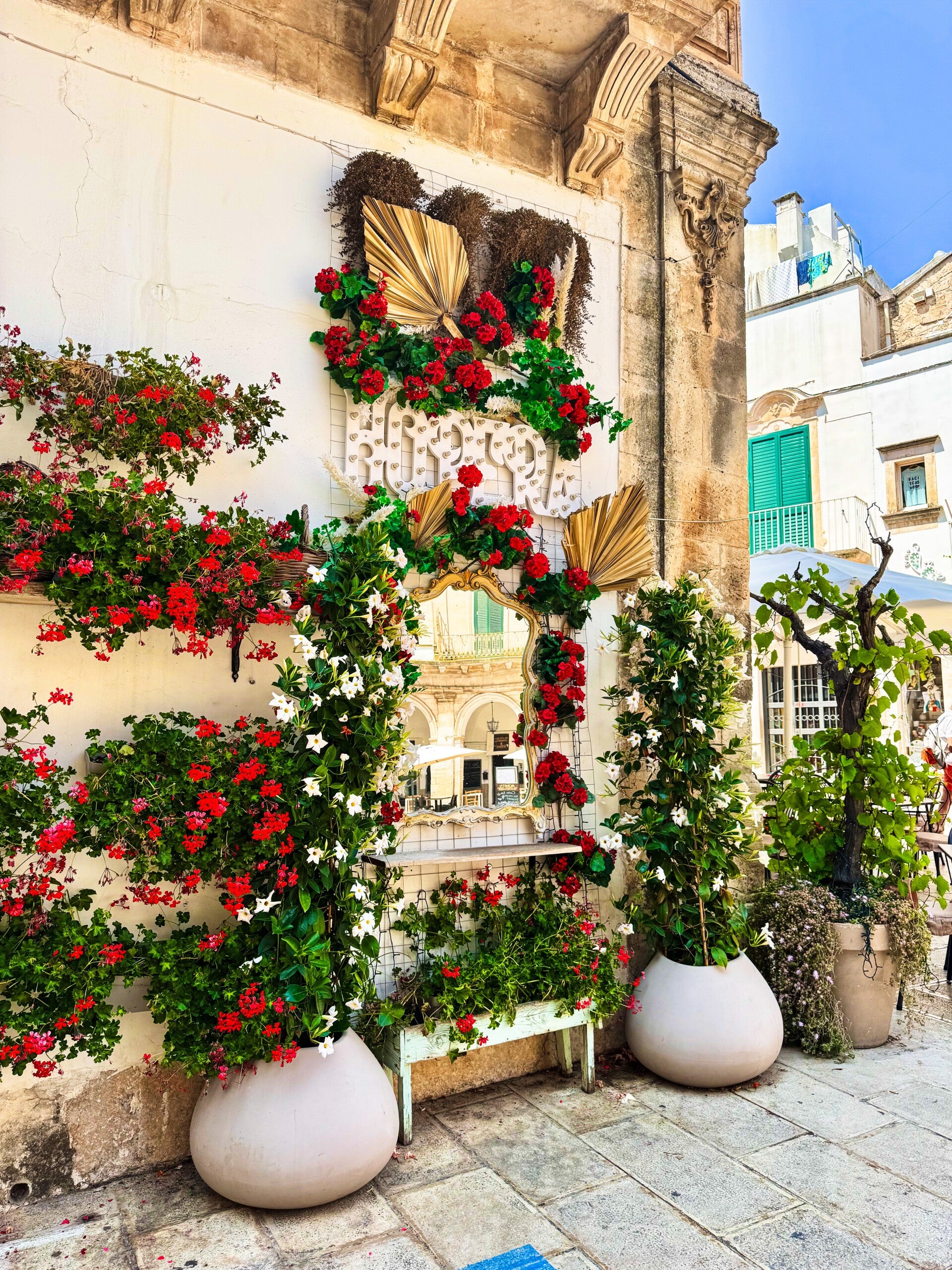
In Locorotondo, we discovered the most beautiful Pumi we had ever seen. When we first came across them, we assumed we would encounter many more stunning pieces as we continued our journey through Apulia. But we were wrong – nowhere else did we find Pumi as artfully and lovingly crafted as the ones at Miriam Decori di Puglia.
So on the day of our departure, we actually drove back to Locorotondo just to buy our Pumo there.
A particularly heartwarming moment: we even received a small gift for our baby, which now, since they’ve arrived in the world, hangs on their crib. Such a lovely memory tied to this place.
But what exactly is a Pumo?
A Pumo is a traditional Apulian good-luck charm. It represents a bud, the bloom of the acanthus plant, sitting atop a small pedestal. People place it inside their homes or on balconies, and it symbolizes good luck, prosperity, and fertility. A souvenir filled with meaning and history.




Bari
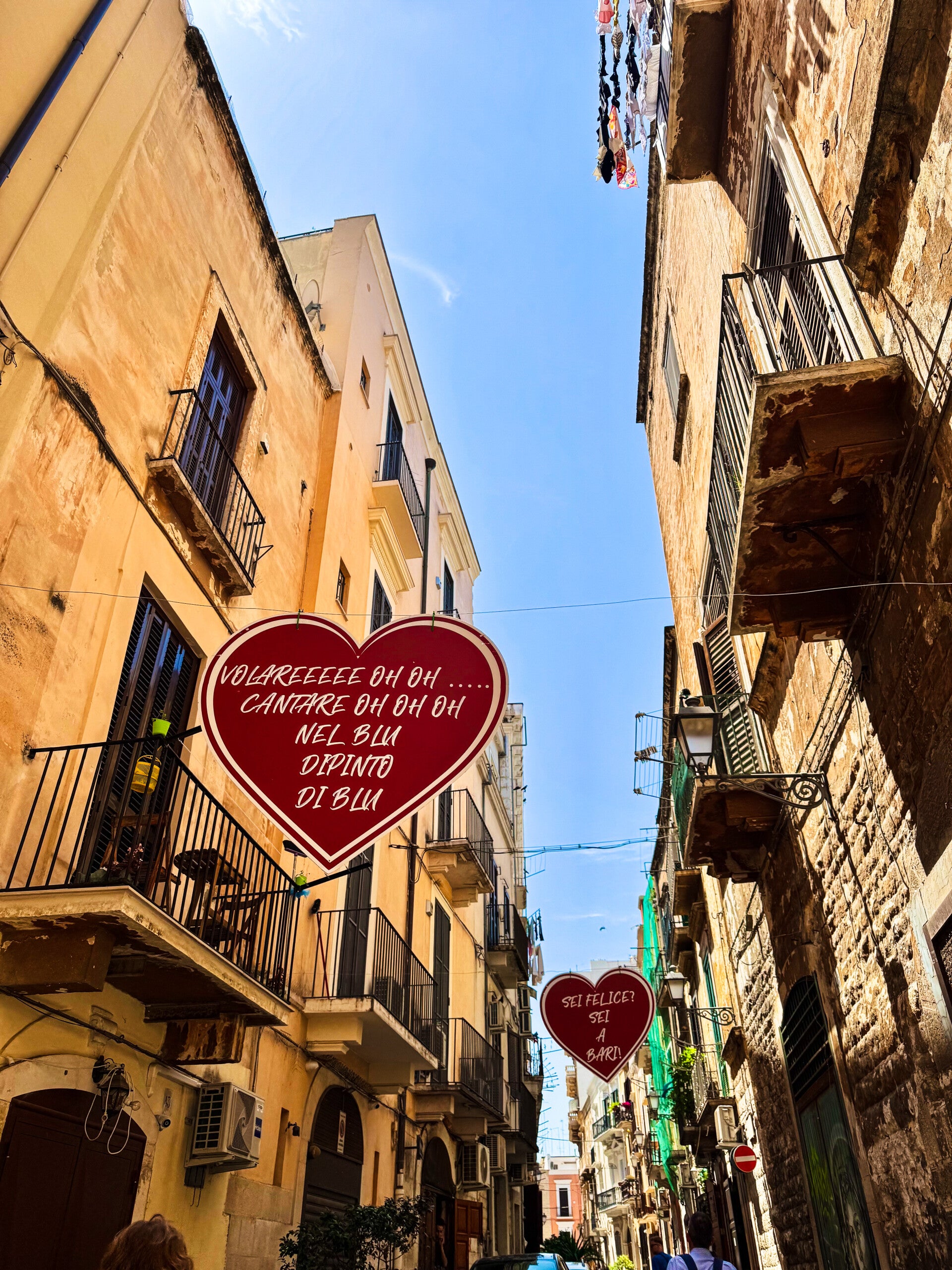
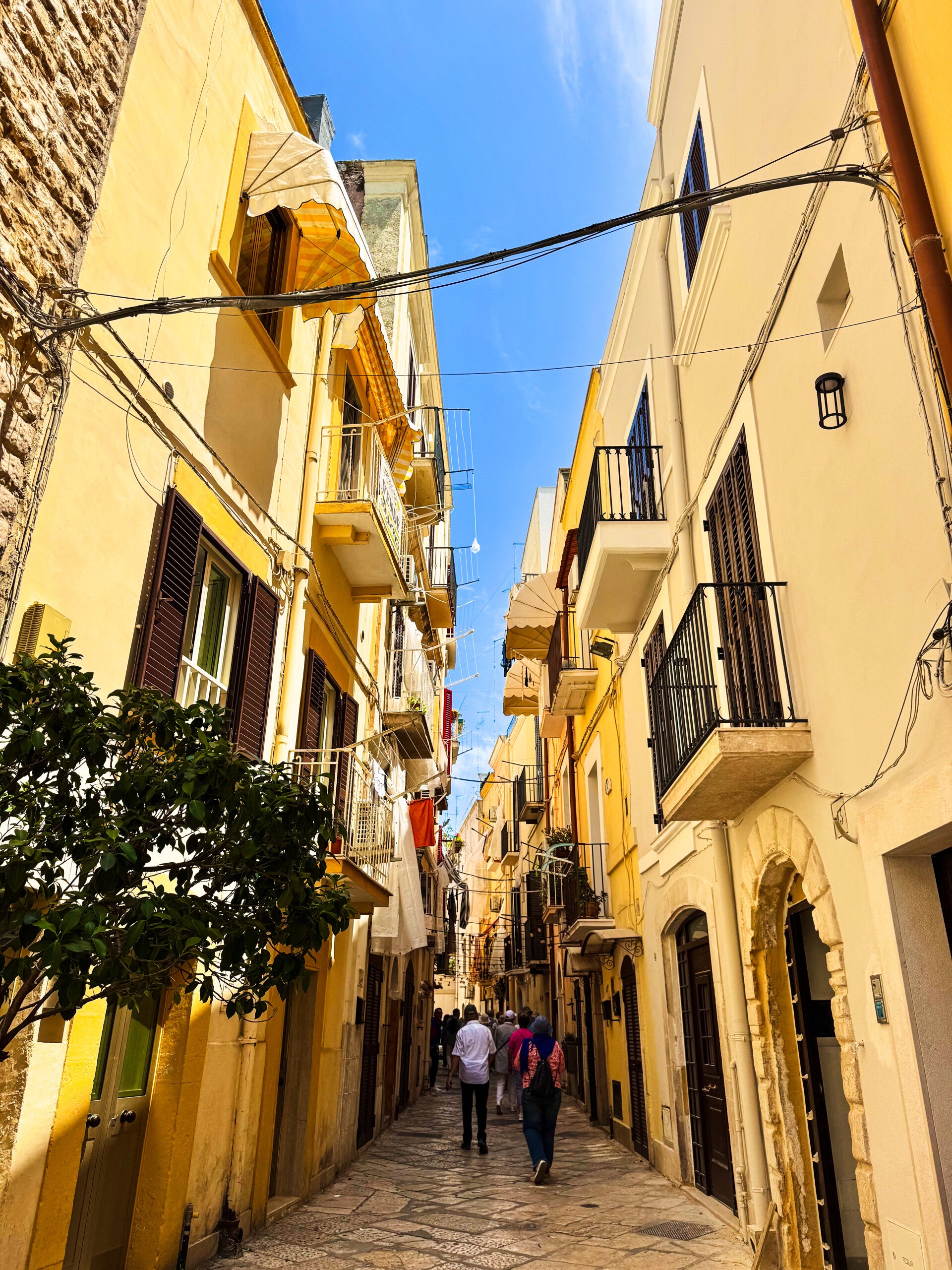
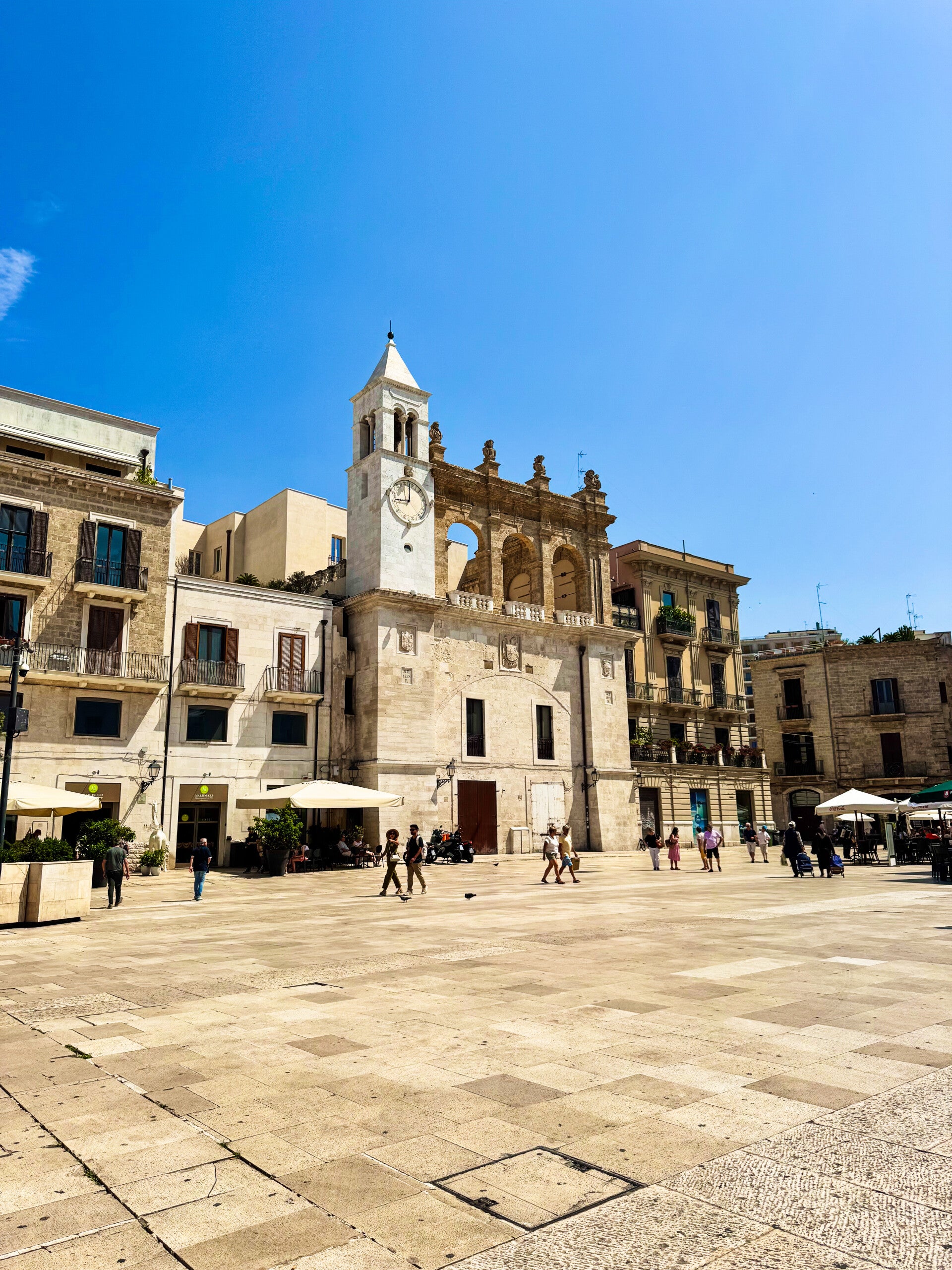
Bari is the capital of Apulia and, in my opinion, definitely worth a visit. We parked at the end of the long seaside promenade and walked from there into the old town. The city is divided into a historic old town and a modern district, creating a fascinating contrast.
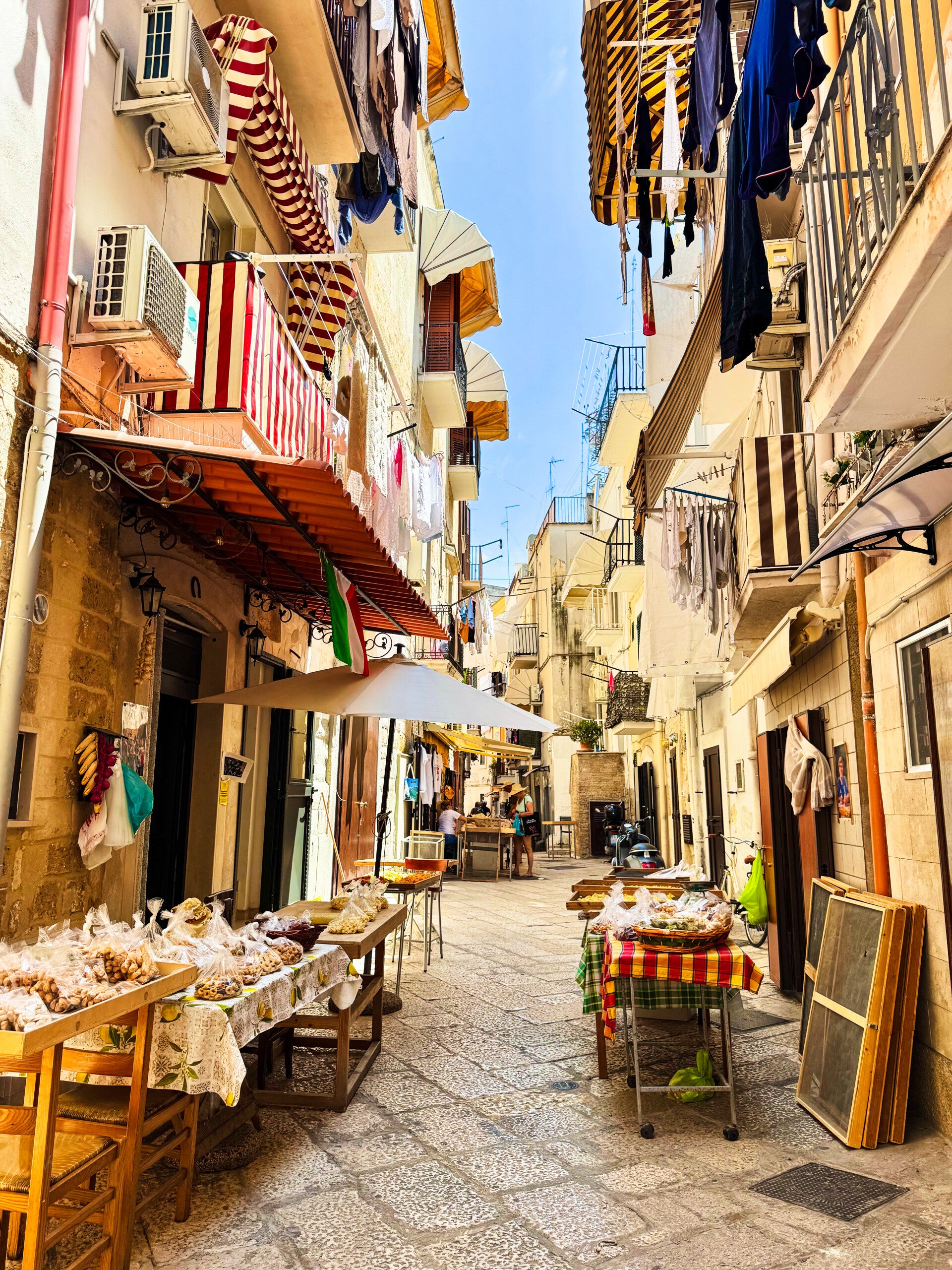
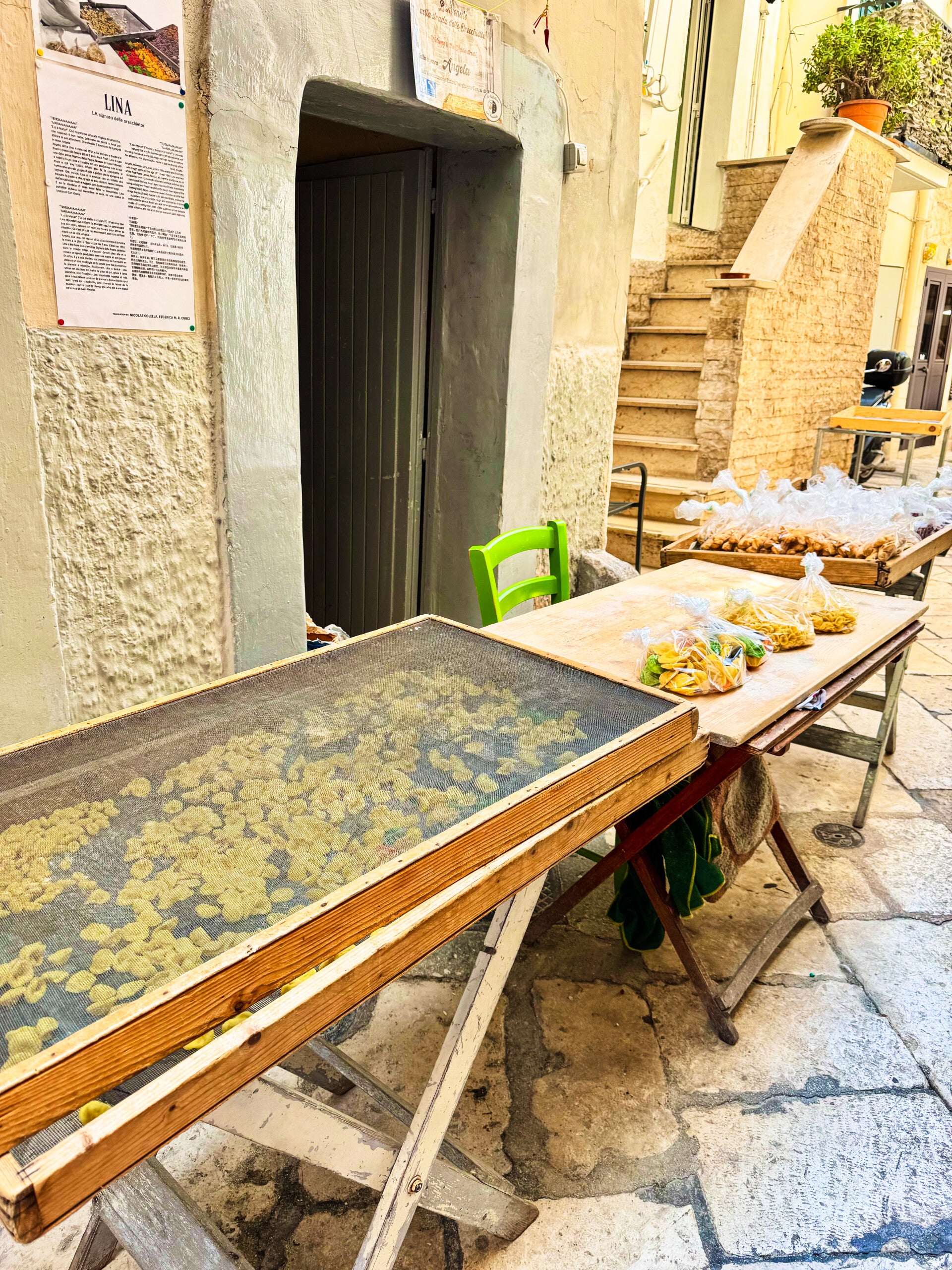
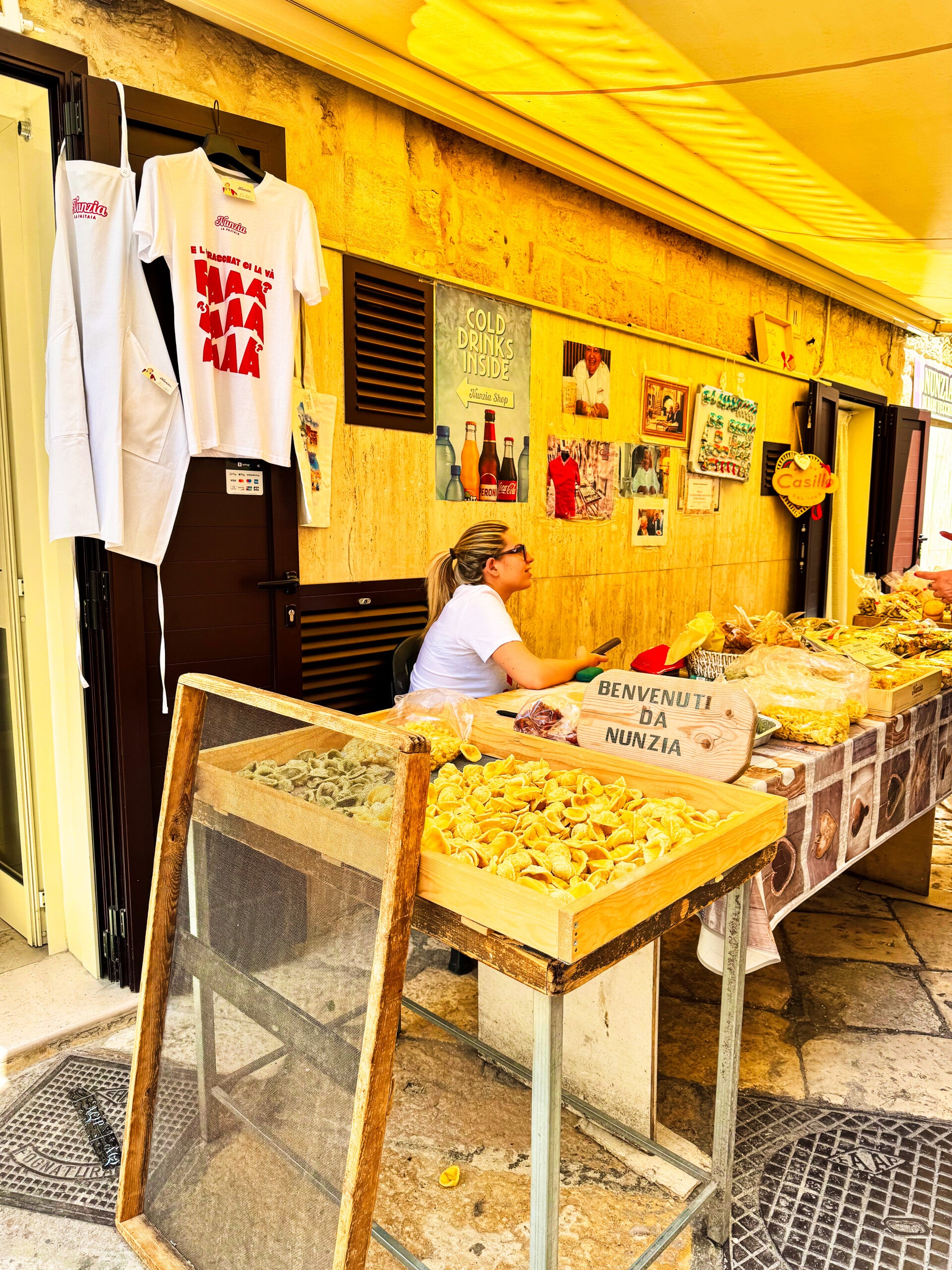
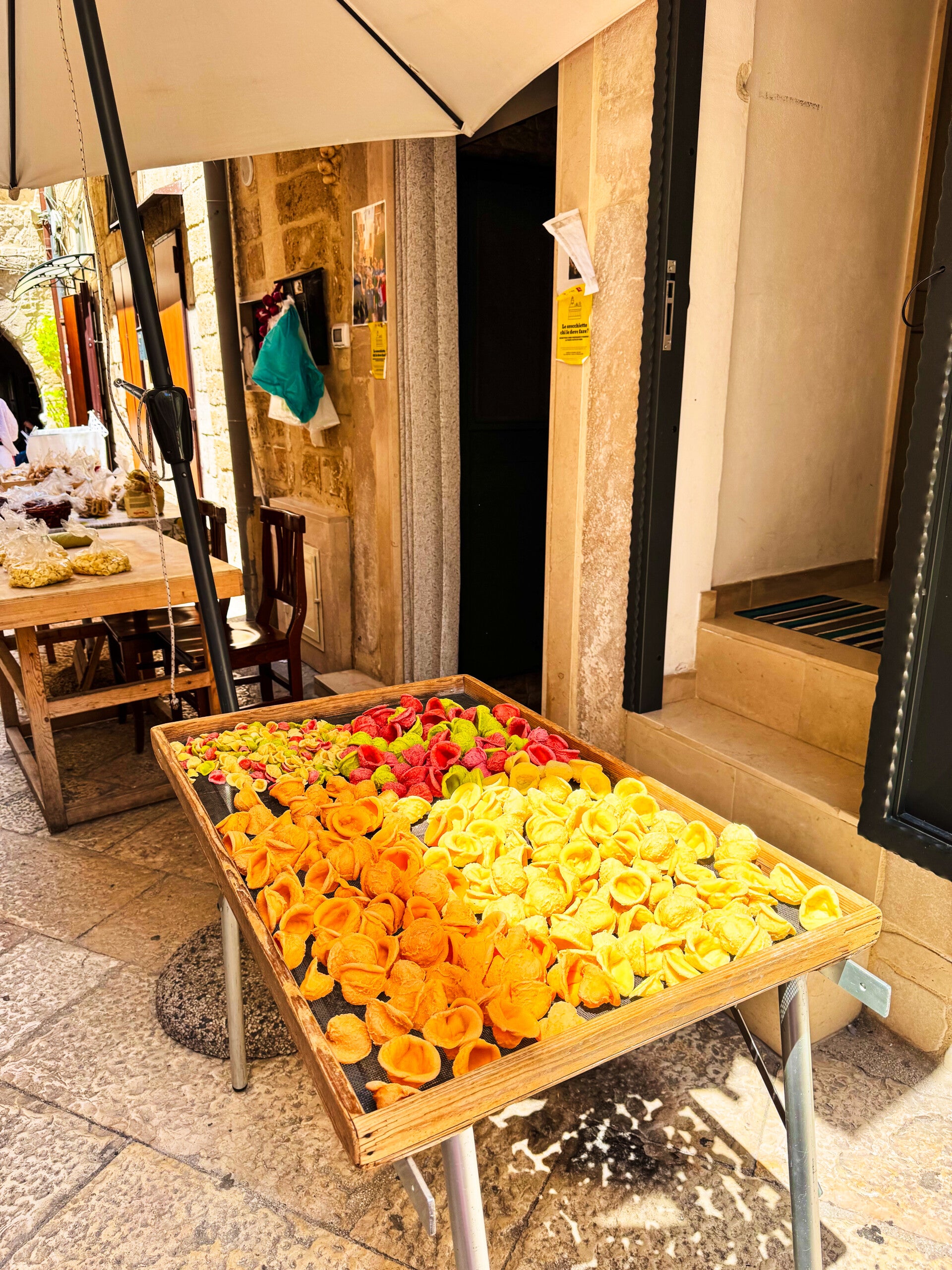
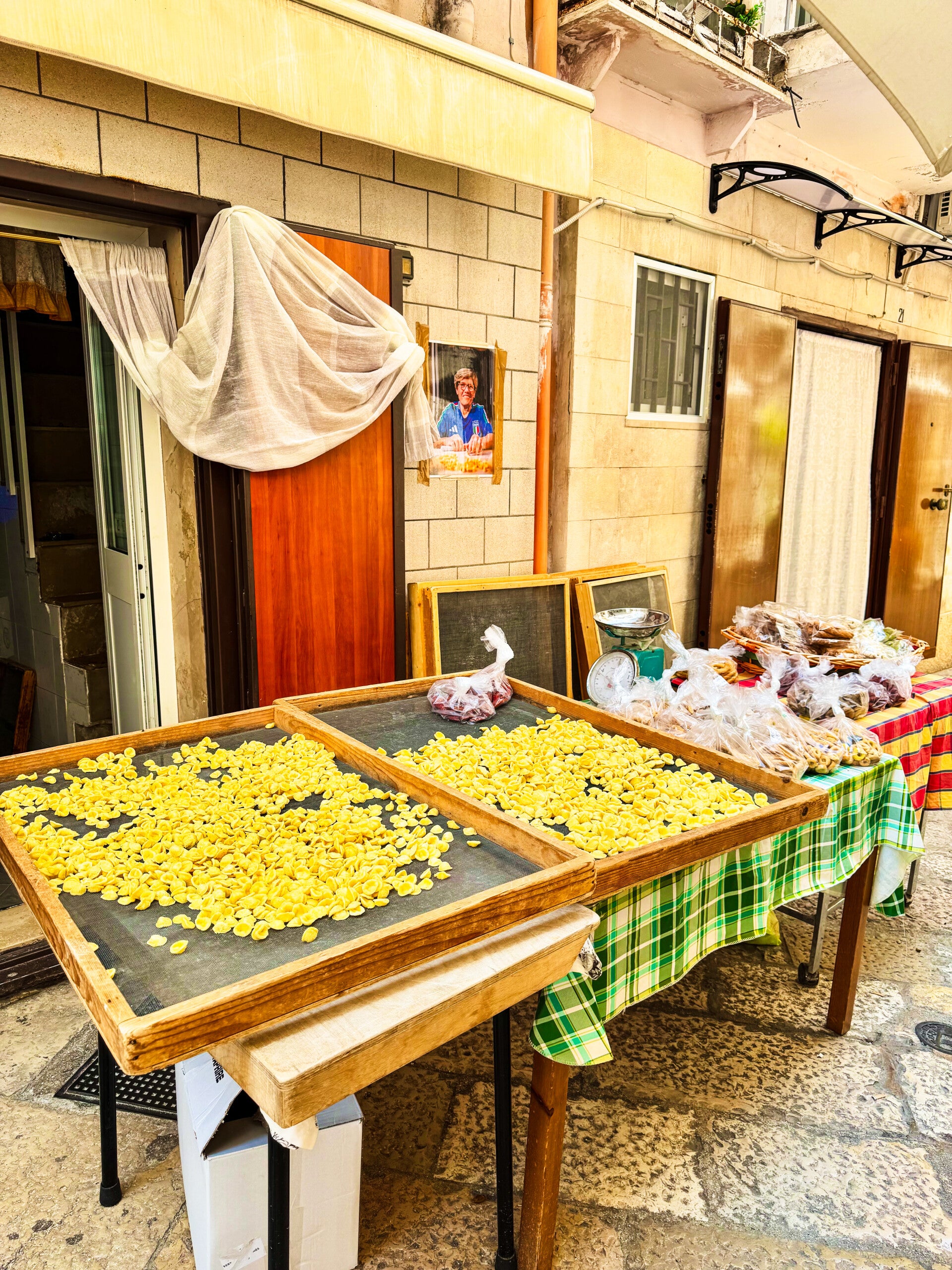
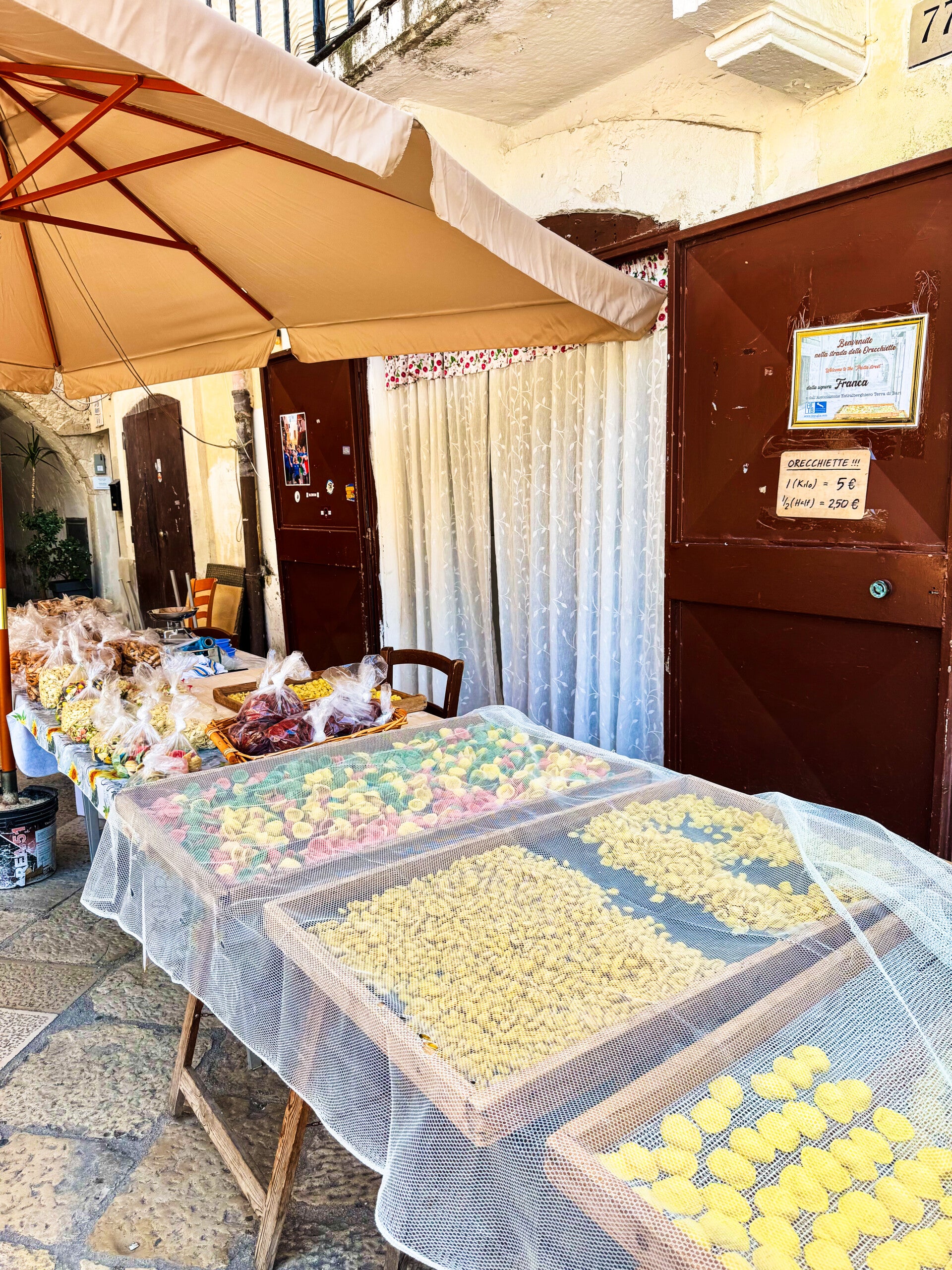
A true highlight is Strada Orecchiette, where women make fresh pasta in front of their homes. Orecchiette translates to “little ears” and is the most famous pasta variety in Apulia. If you're looking for the street on Google Maps, search for Arco Basso.
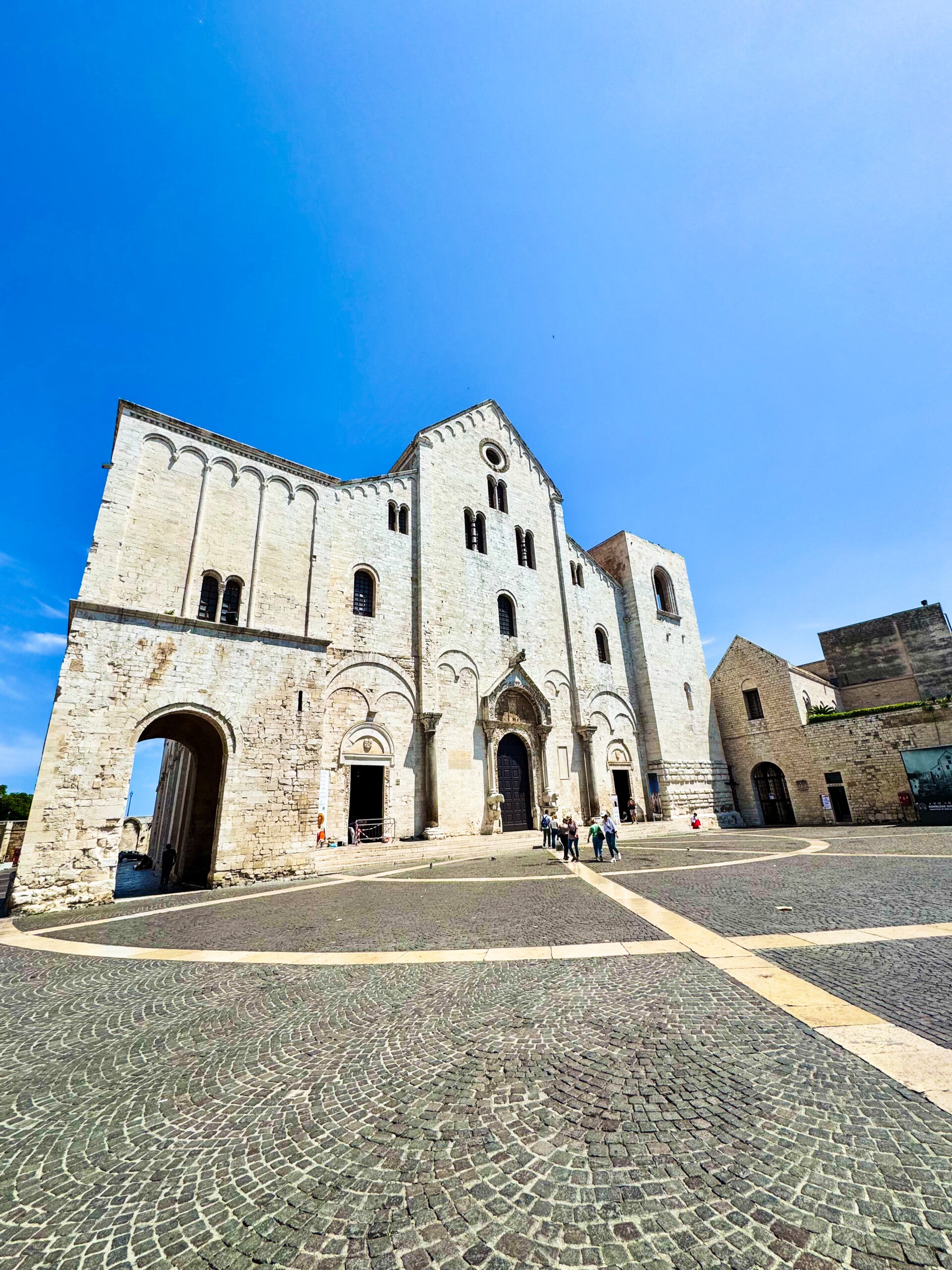
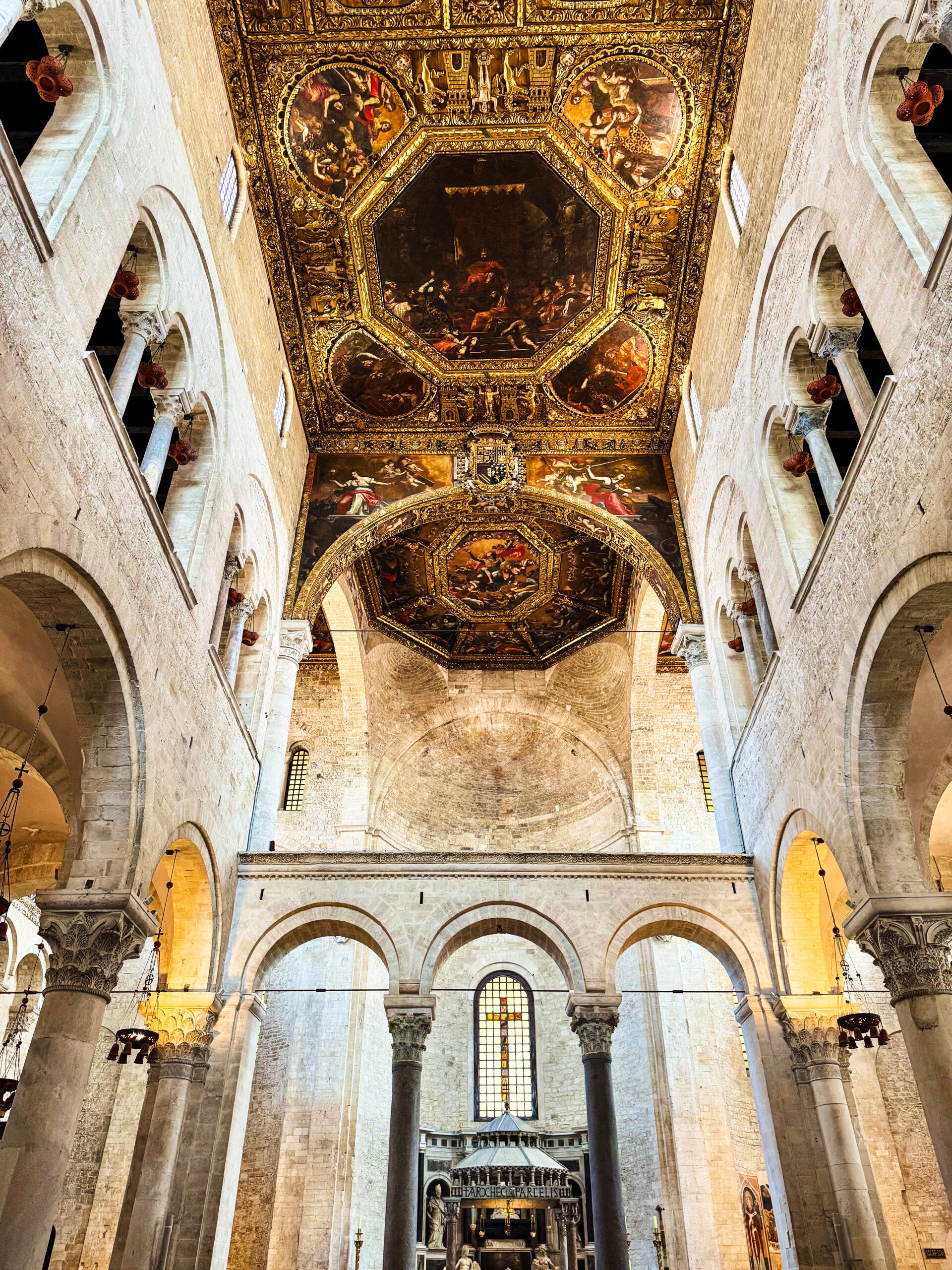
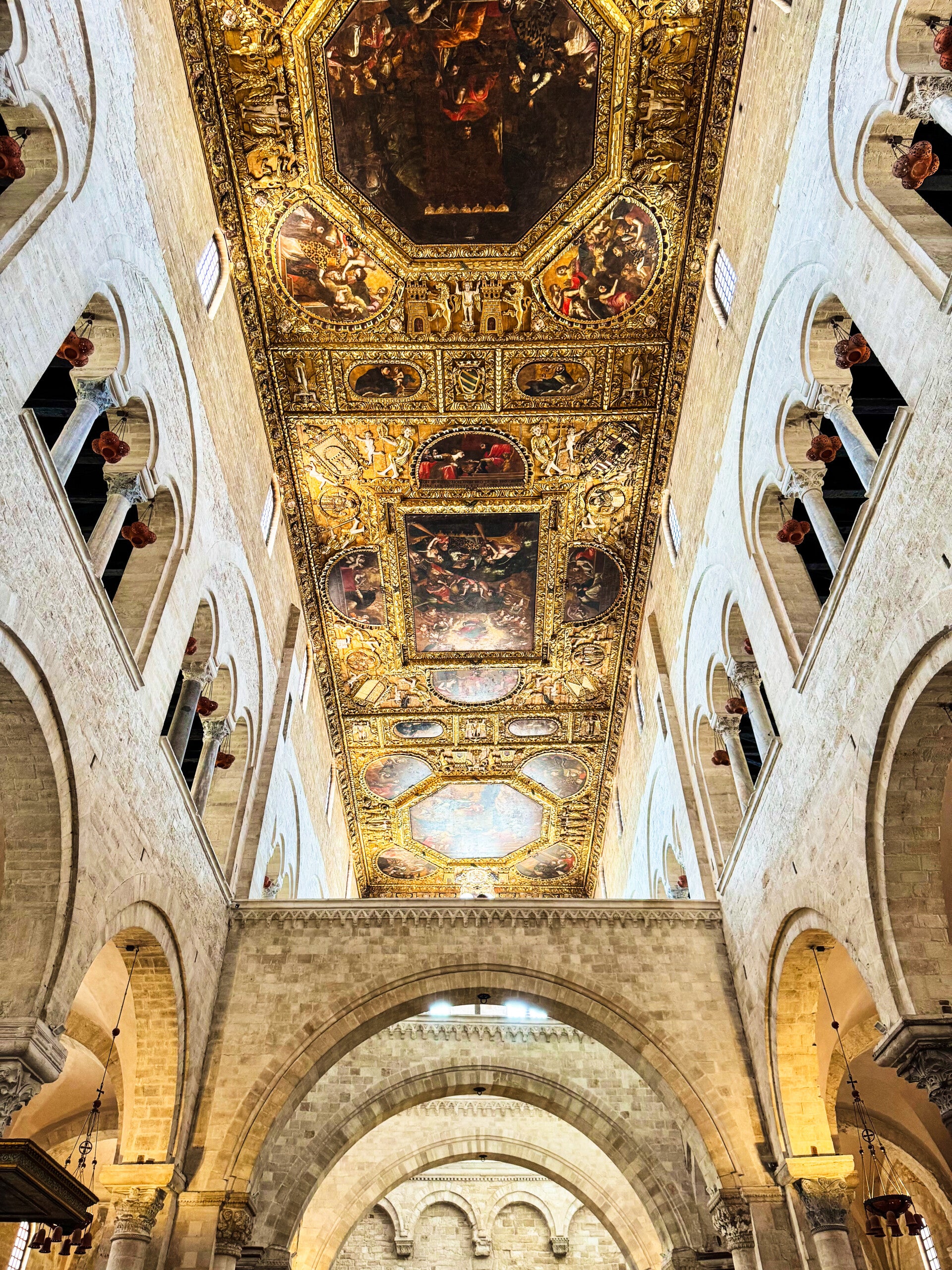
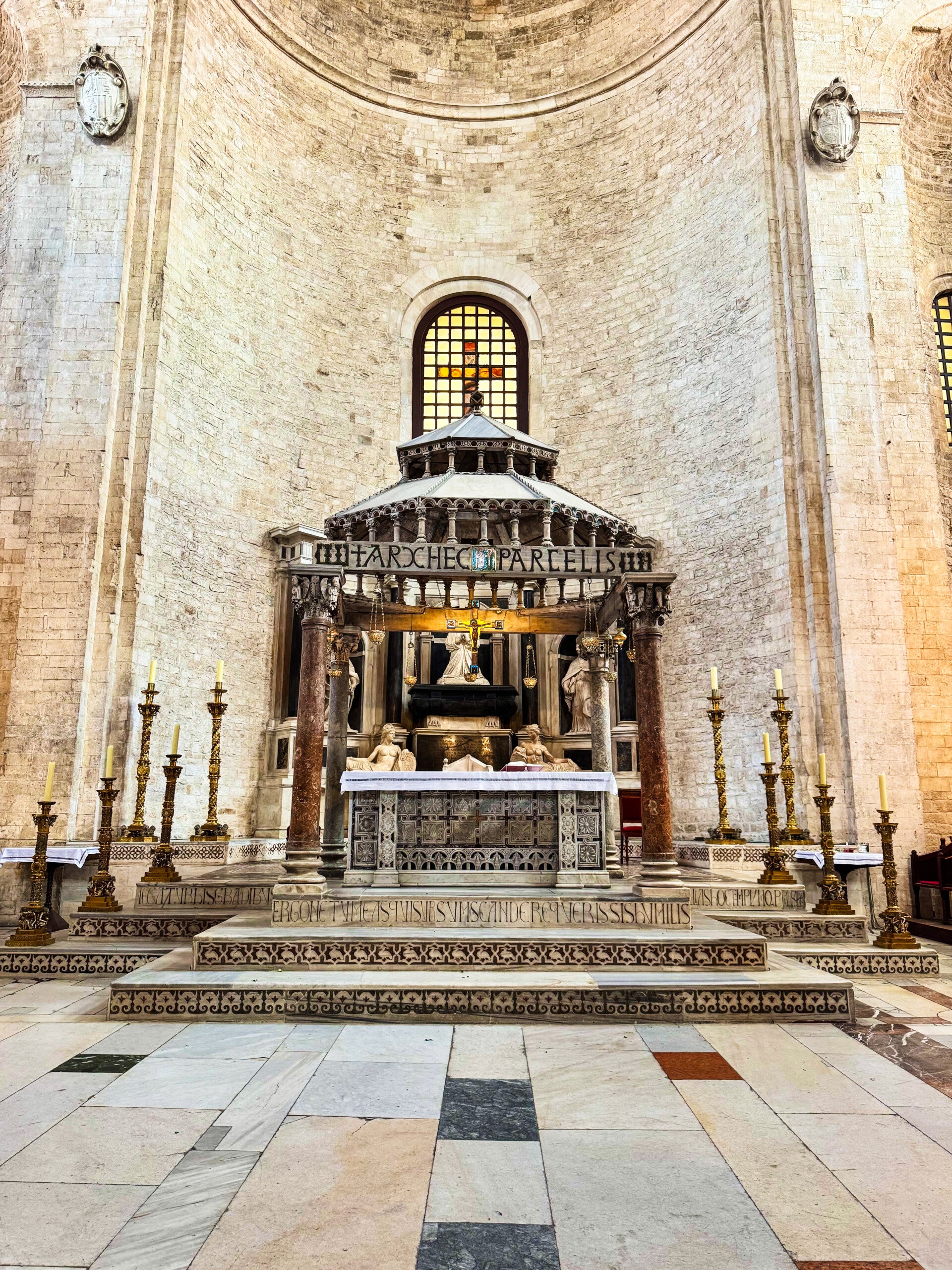
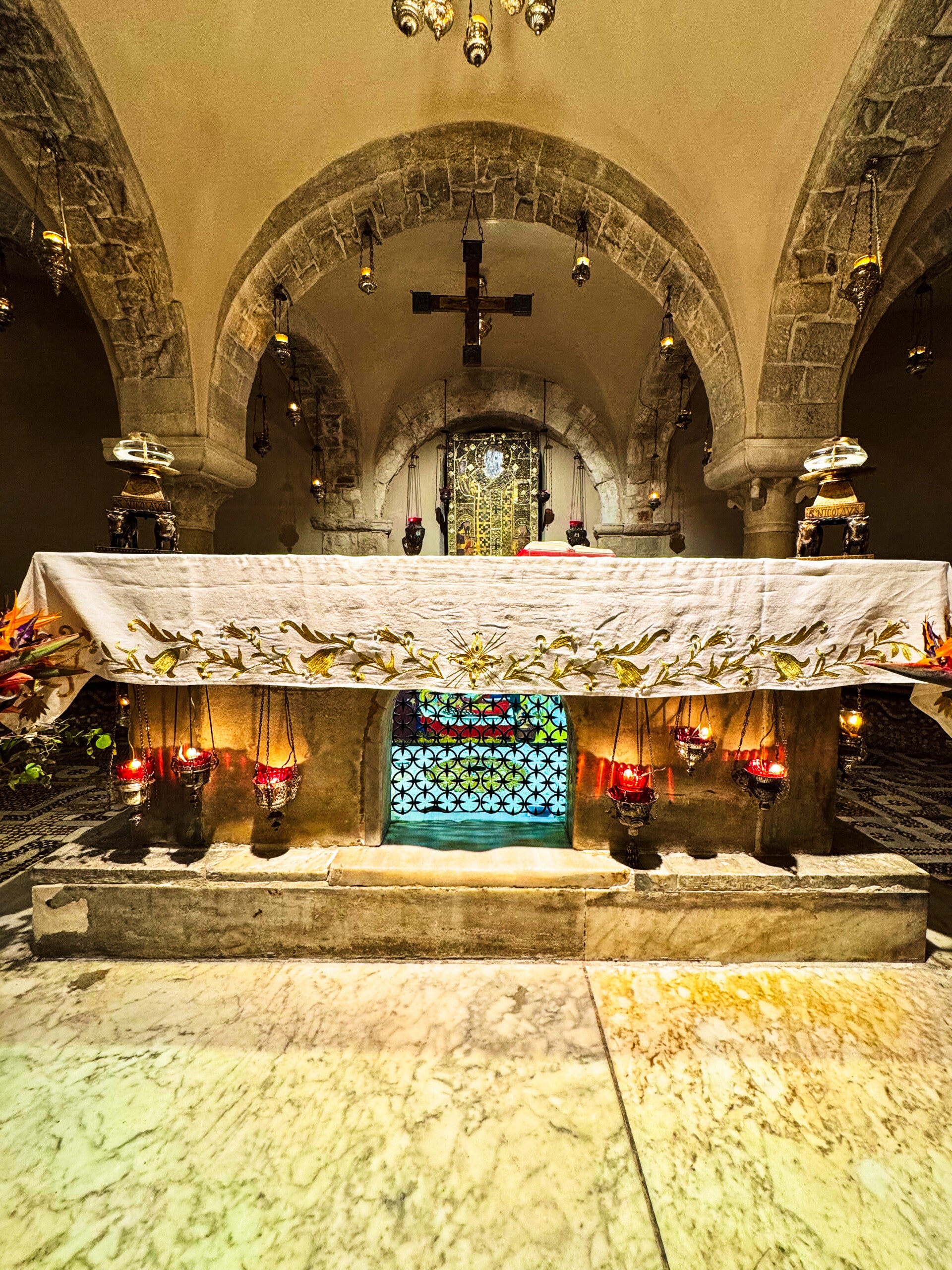
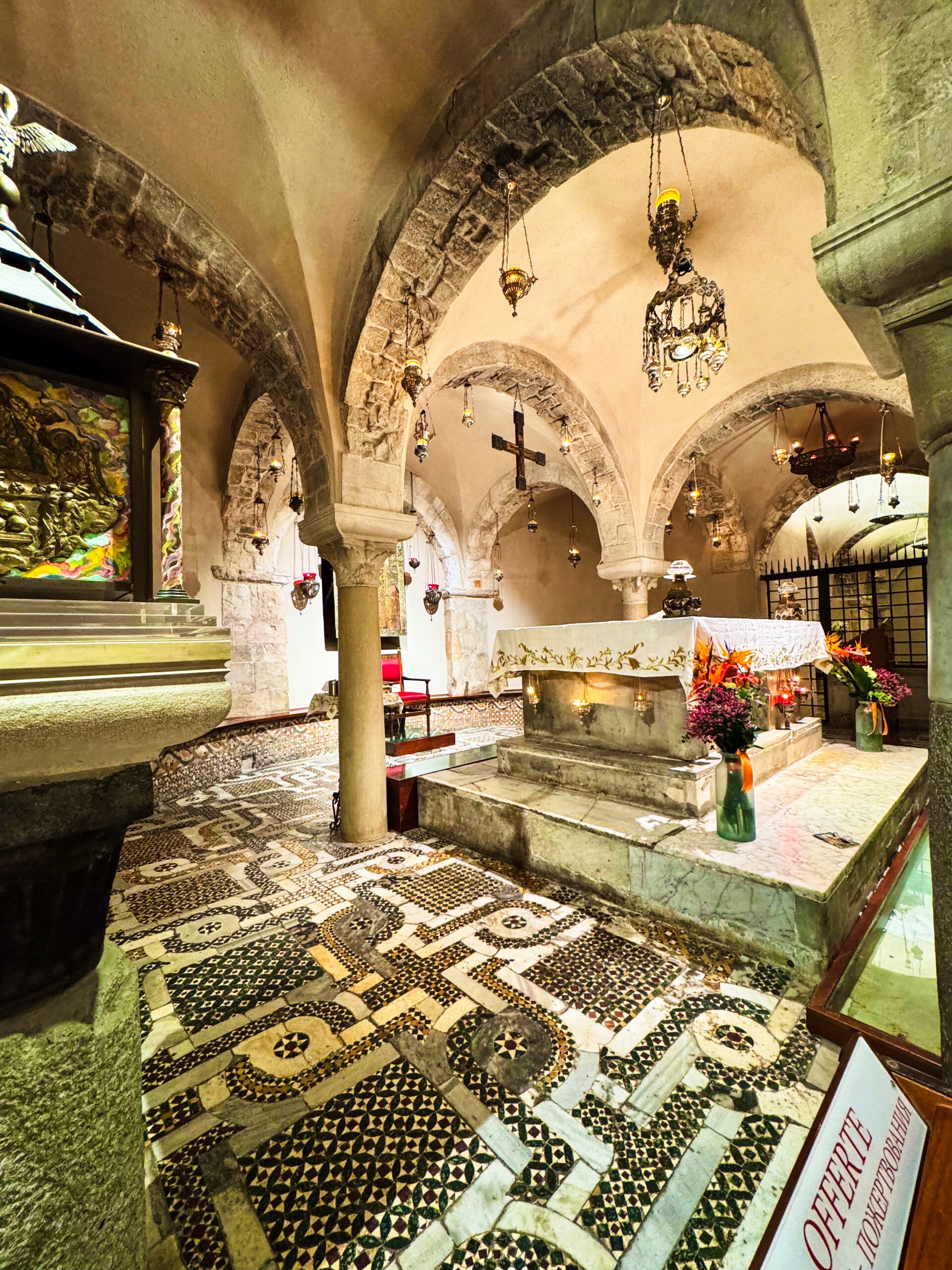
I was also very impressed by the Basilica of San Nicola, including the crypt below the church. It was the first church of its kind in Apulia and served as a model for many later sacred buildings in the region.
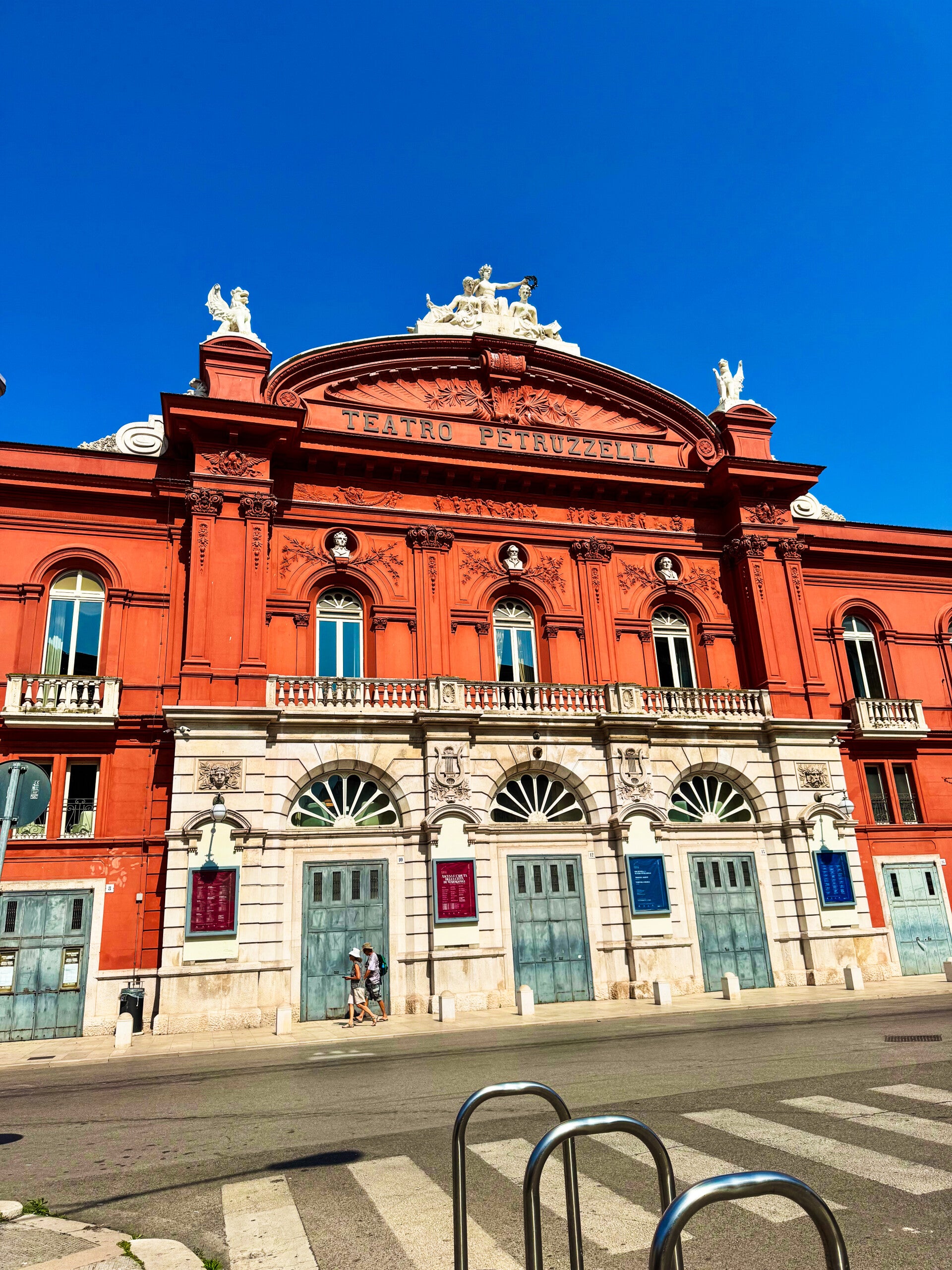
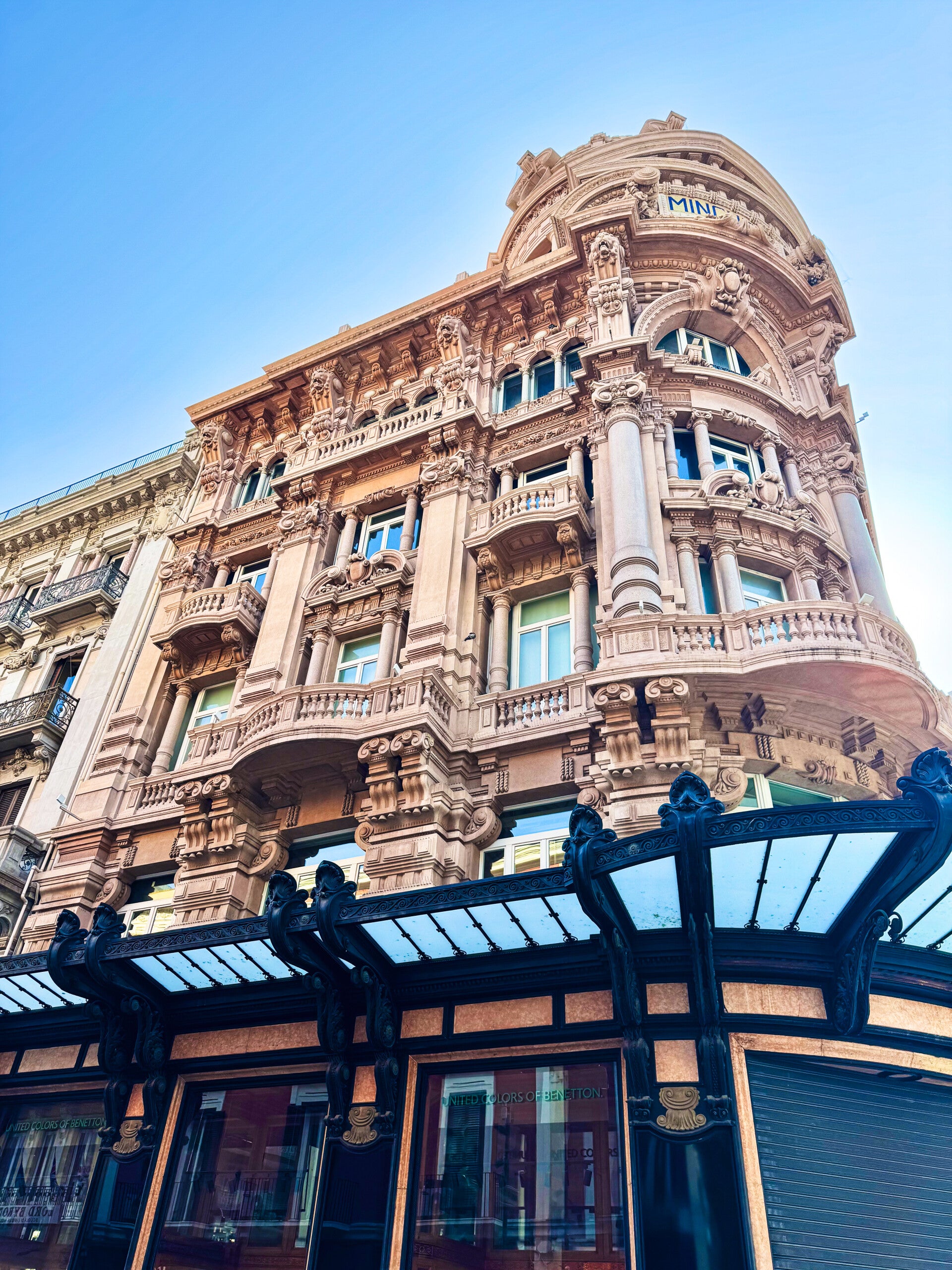
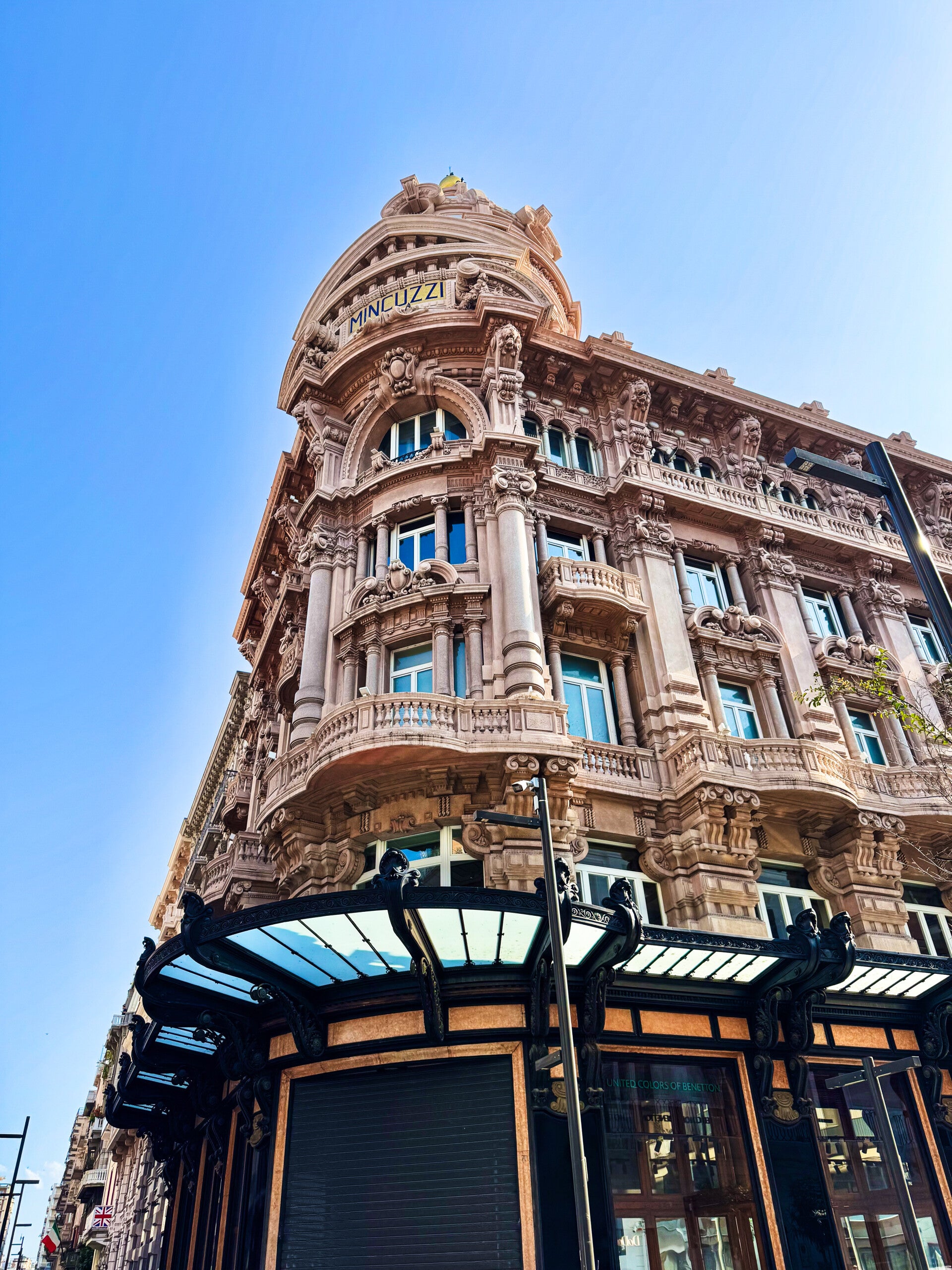
While strolling through the city, you’ll come across numerous impressive buildings. One of them is the Teatro Petruzzelli, one of the largest theaters in Italy. It was completely destroyed by a fire, rebuilt starting in 1991, and reopened in 2009 with a performance of Beethoven’s 9th Symphony. Another noteworthy building is the Palazzo Mincuzzi, located along the main shopping street. Over time, it has become not only an architectural symbol but also a prestigious point of reference for the people of Bari. The main shopping street itself is rather upscale; if you're looking for more affordable options, head into the side streets.

Lecce
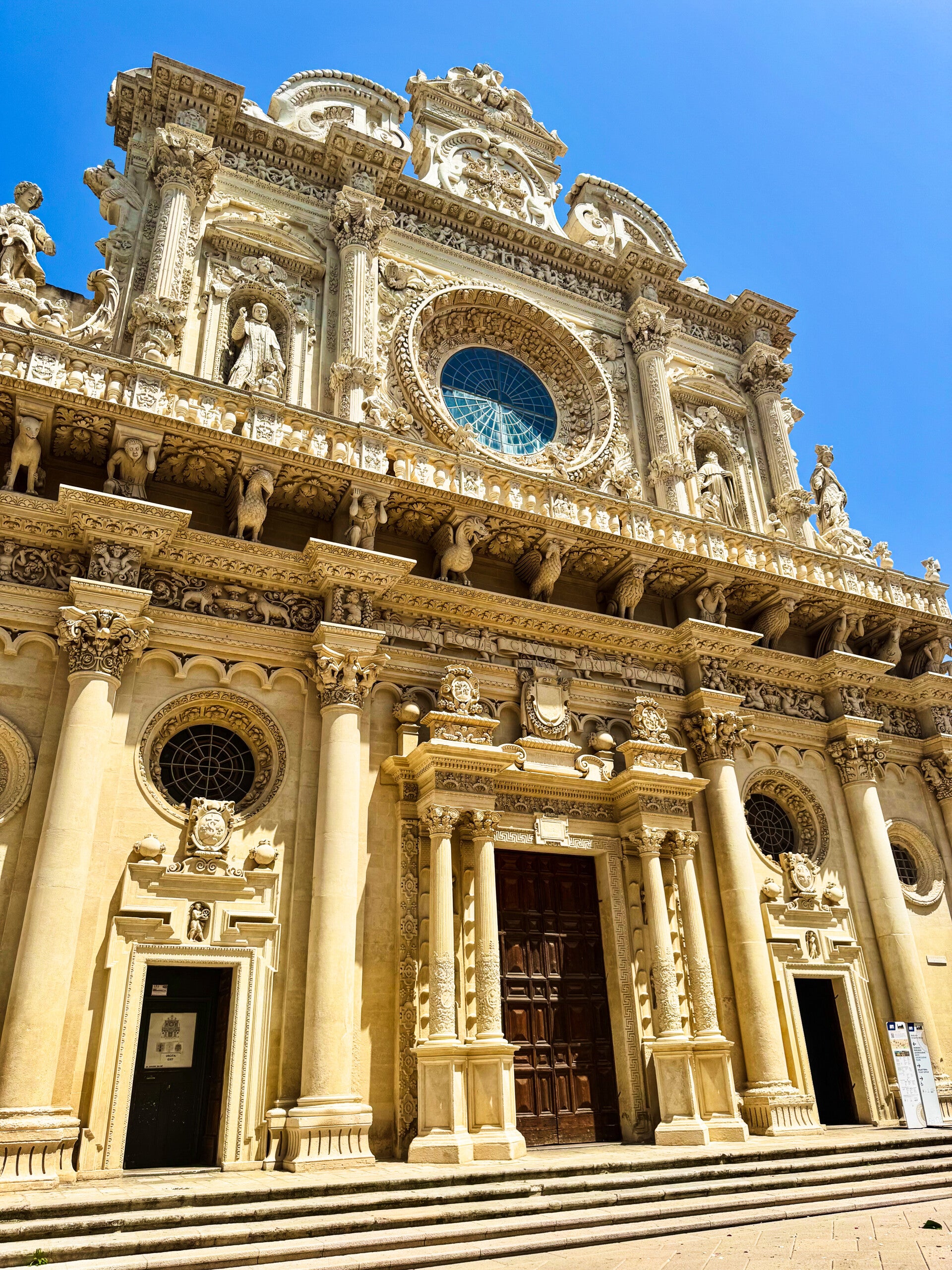
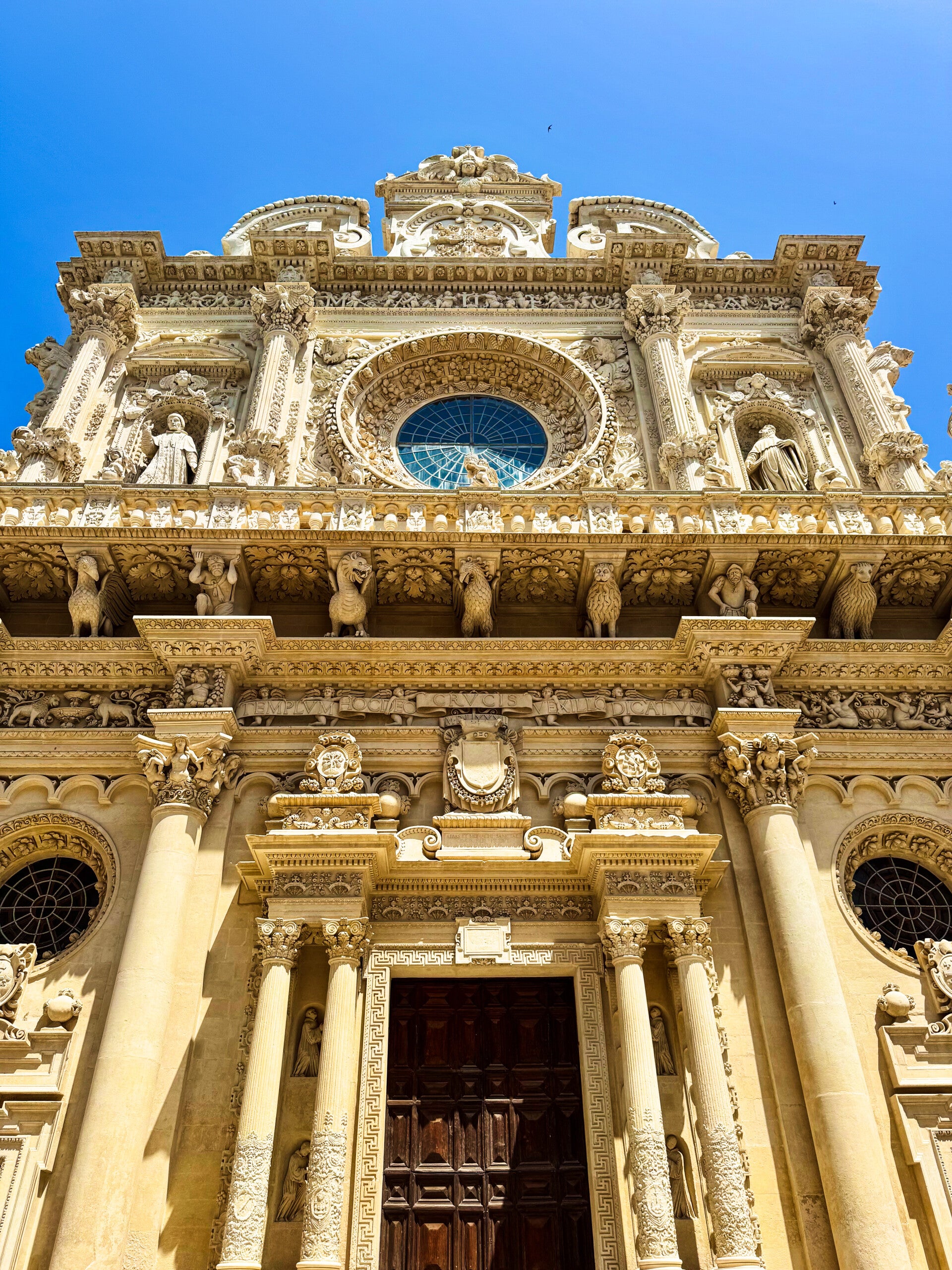
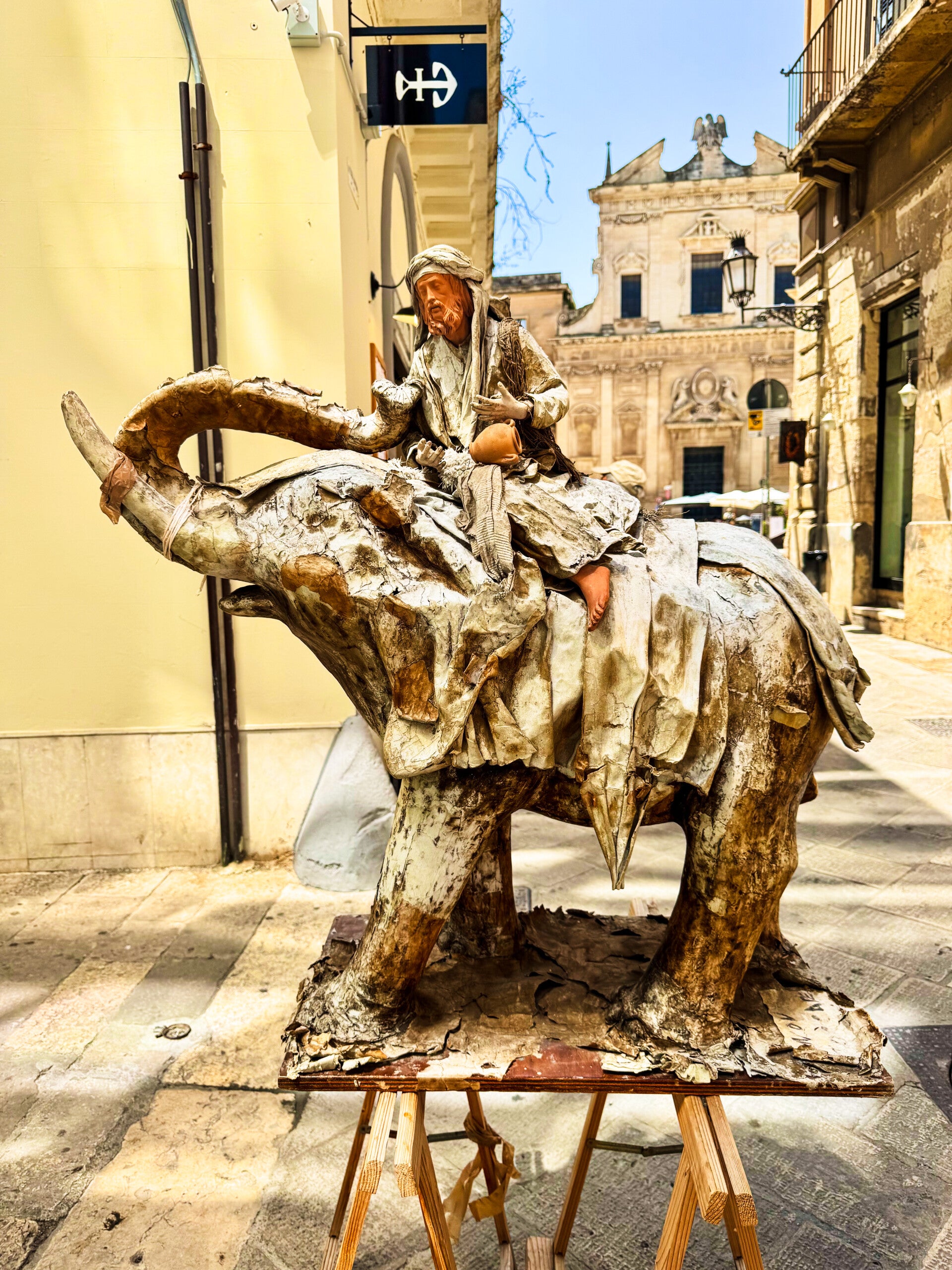
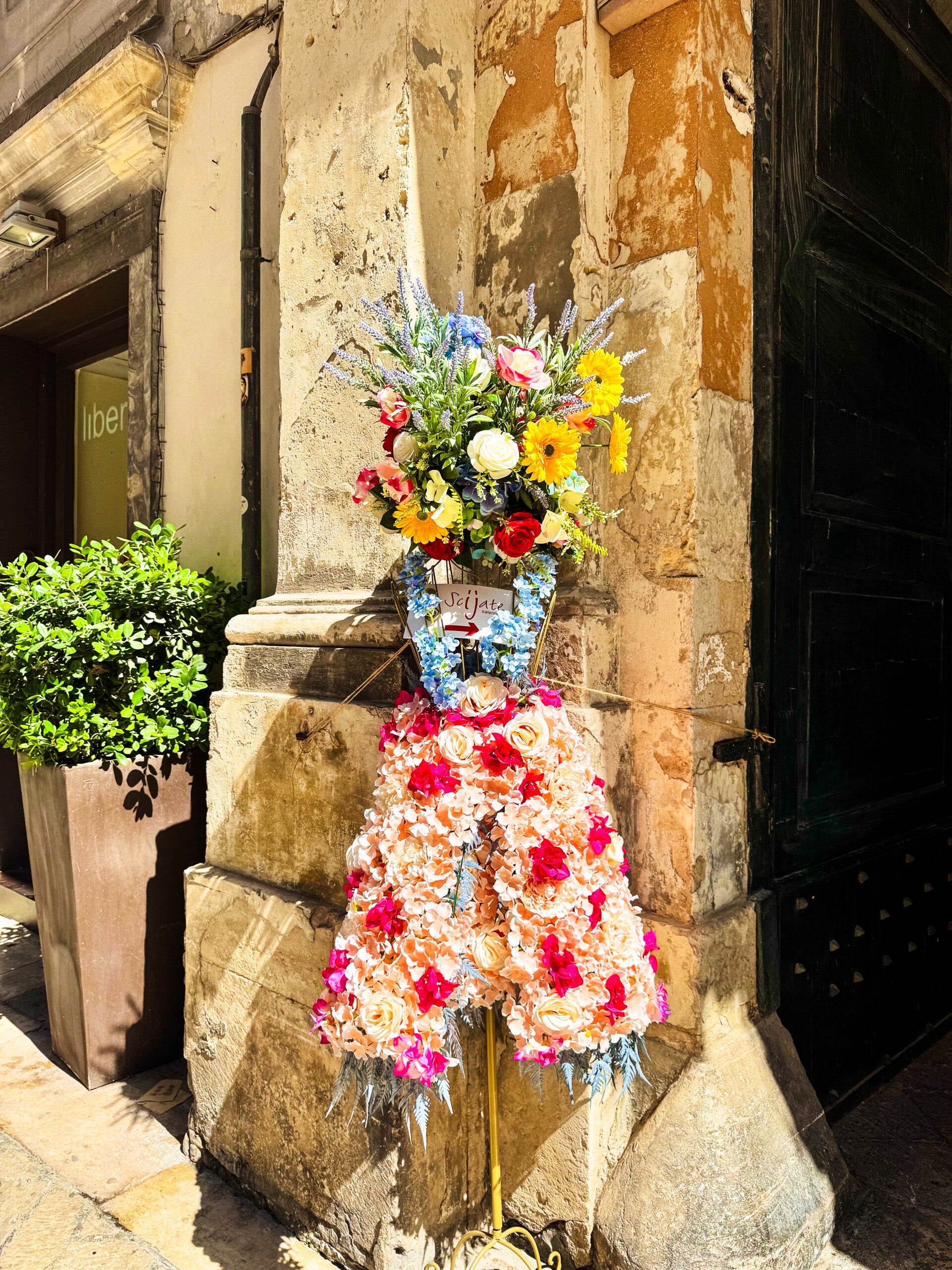
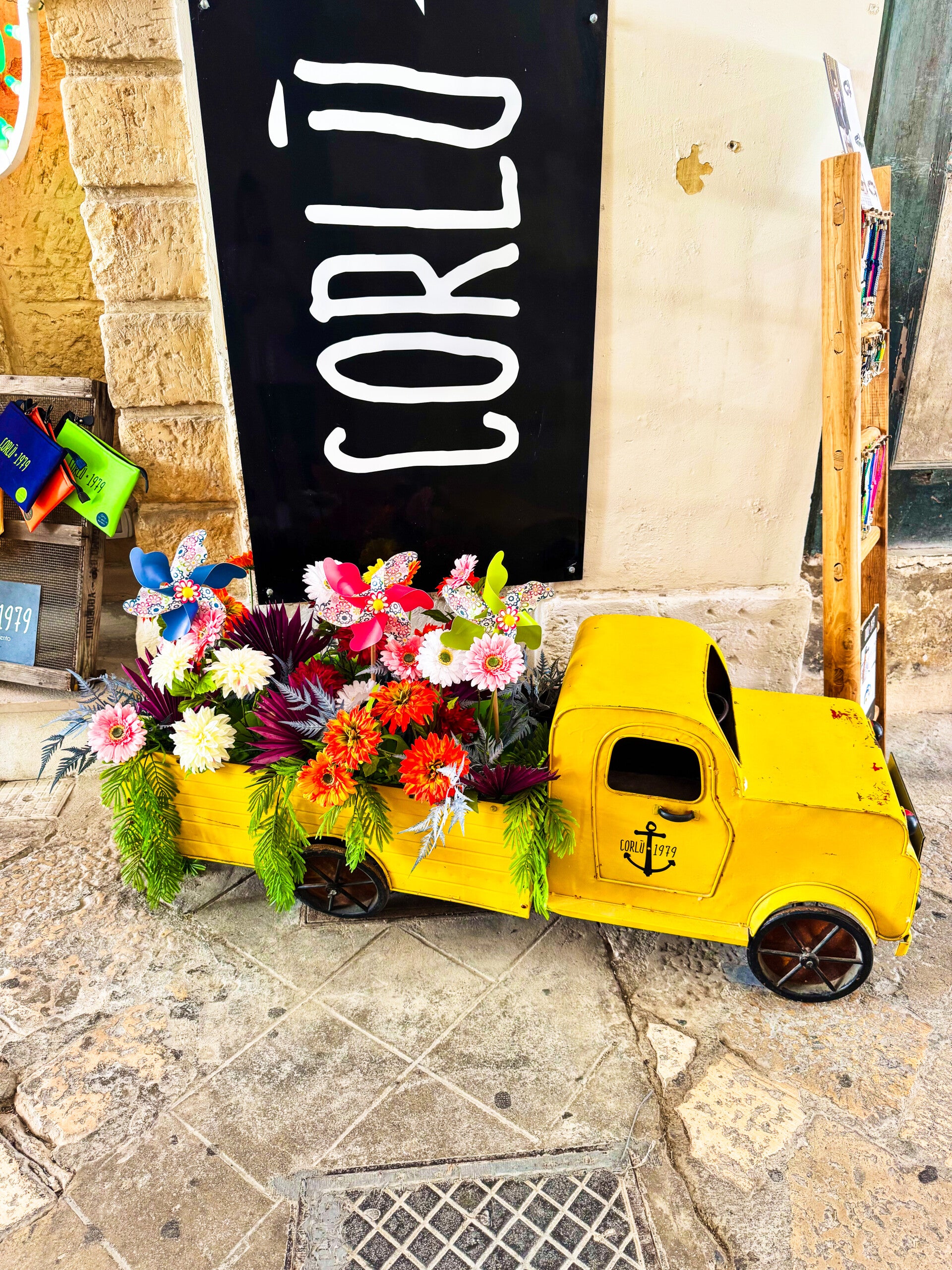
Another place that truly impressed us on our trip was Lecce. The city is often called the Florence of the South, and not without reason. Its magnificent Baroque buildings give it a unique and elegant atmosphere.
Since we were traveling by car, we first had to find a suitable parking spot. I came across Parkejoo online, and I have to say: it was one of the nicest parking garages I’ve ever seen in Italy. Parking facilities there are often old, narrow, and a bit chaotic, but this one was modern, clean, and very pleasant. A clear recommendation! Plus, from there it’s only a short walk to the historic city center.
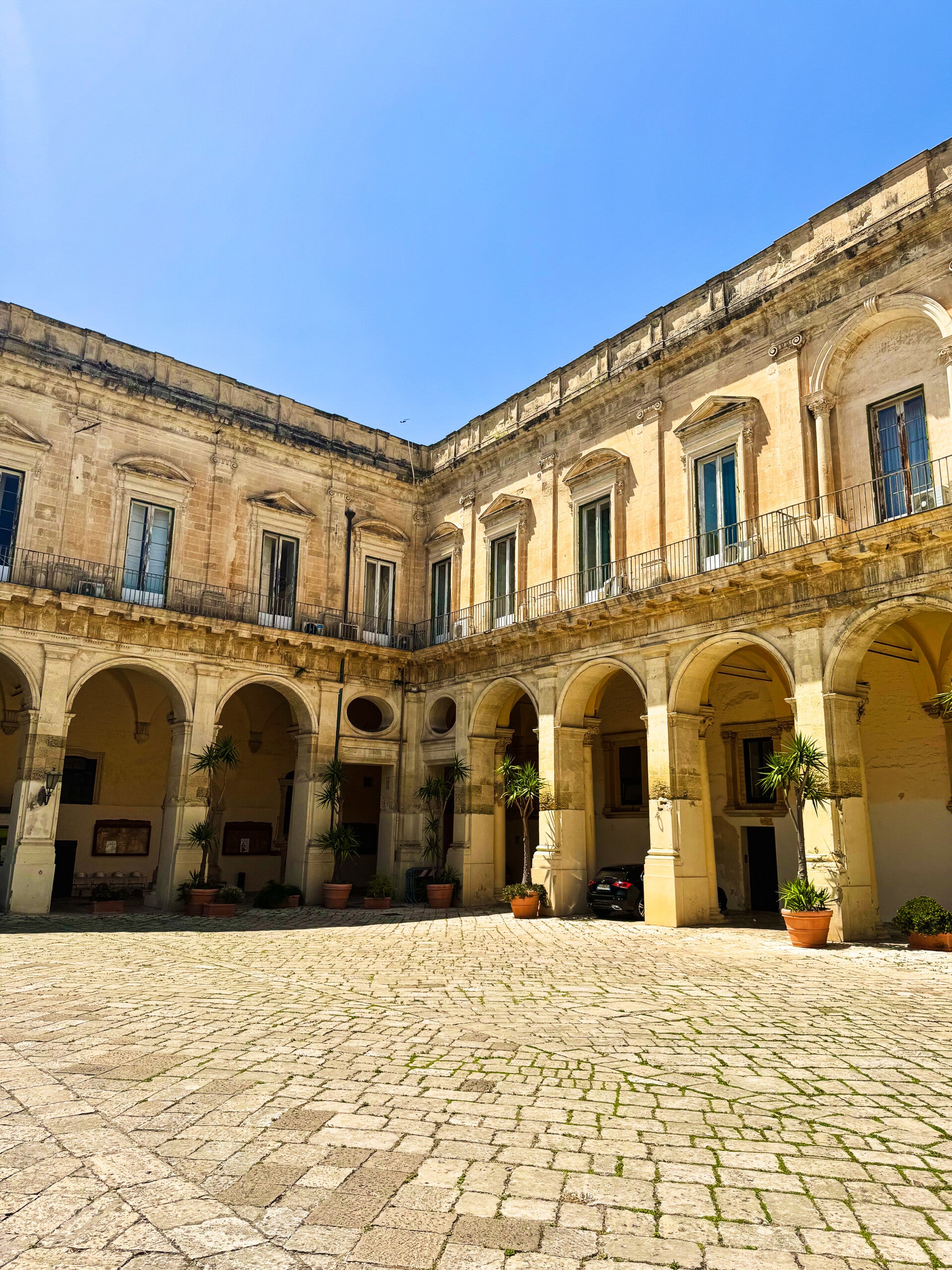
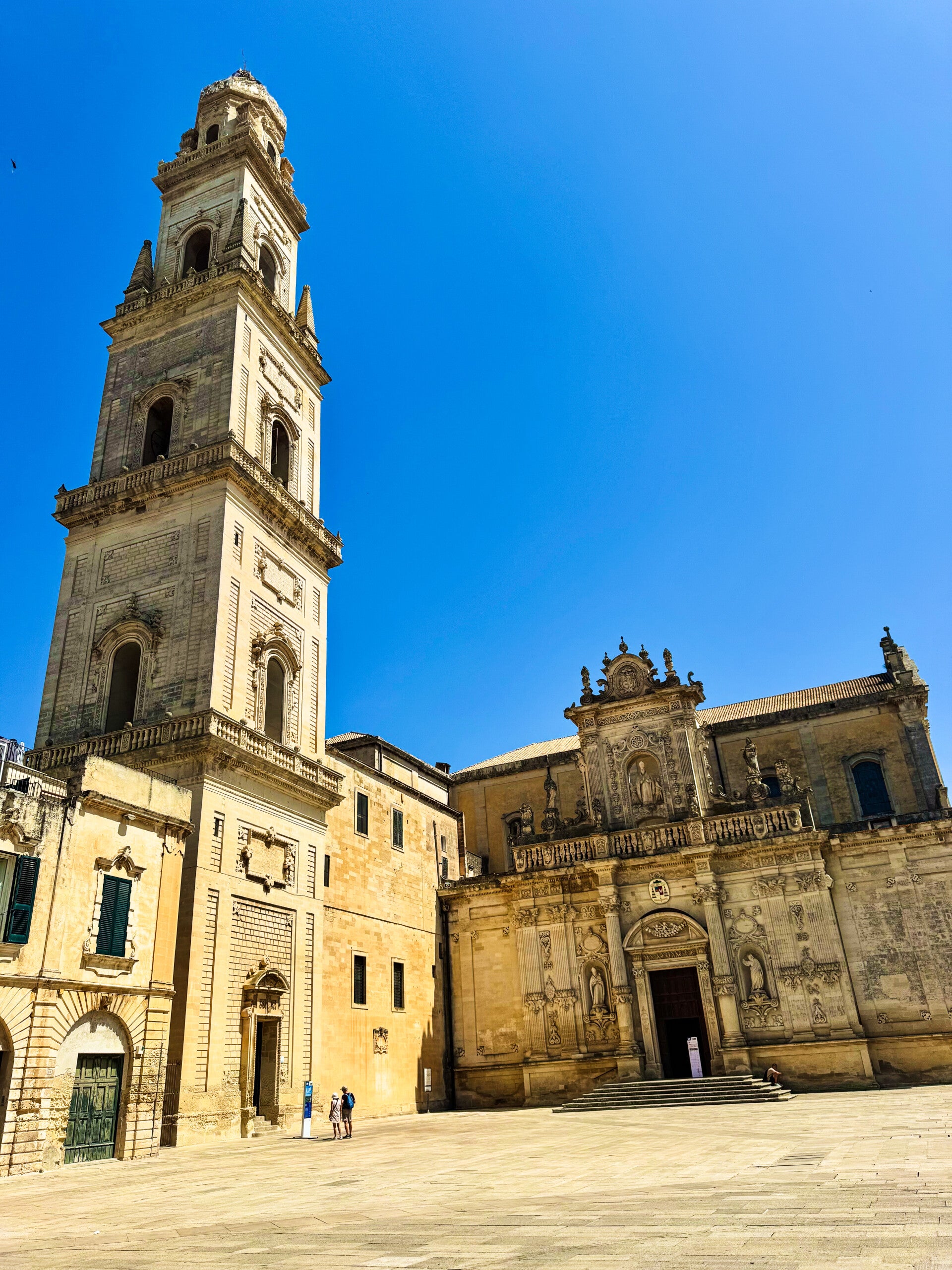
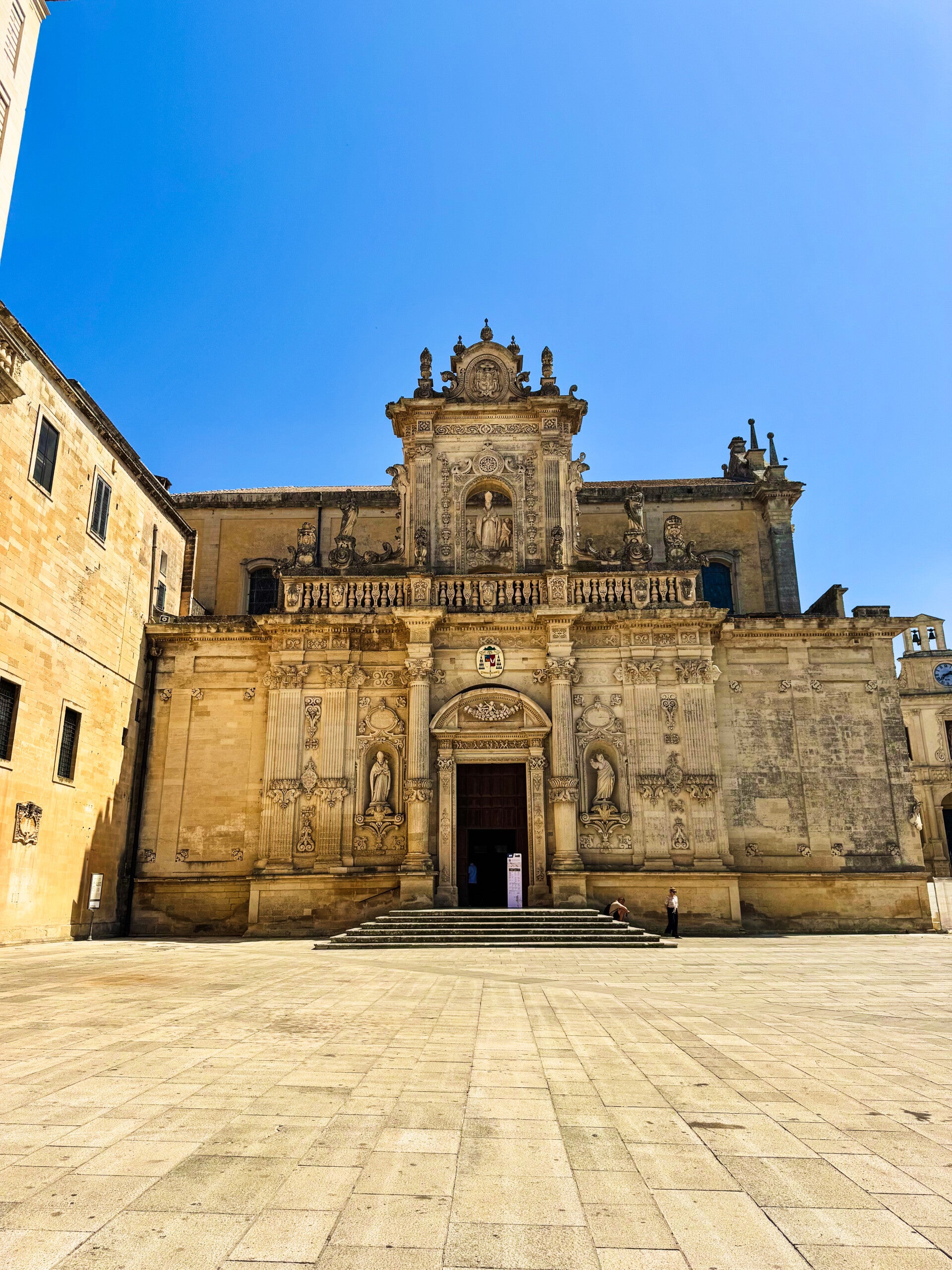
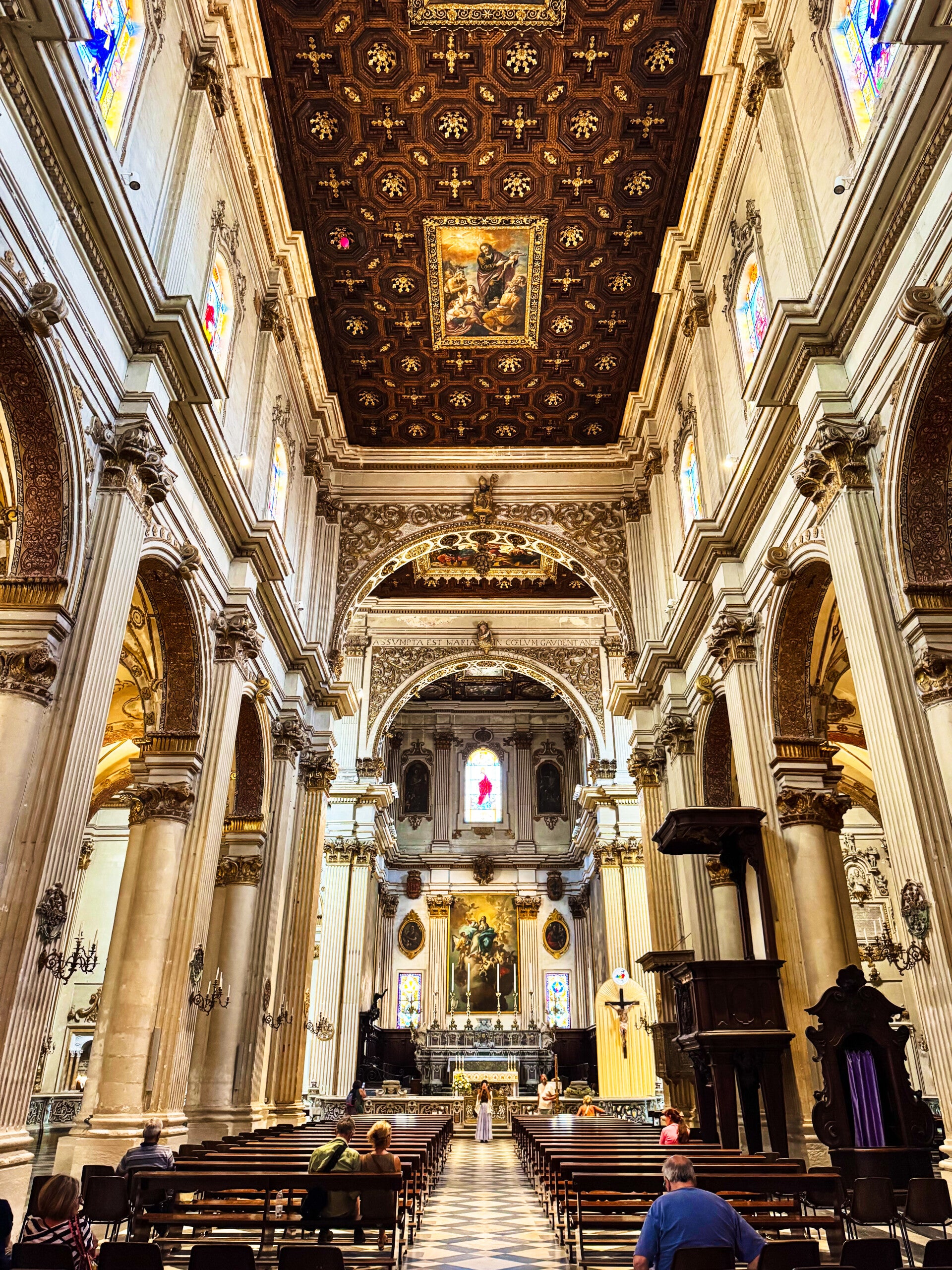
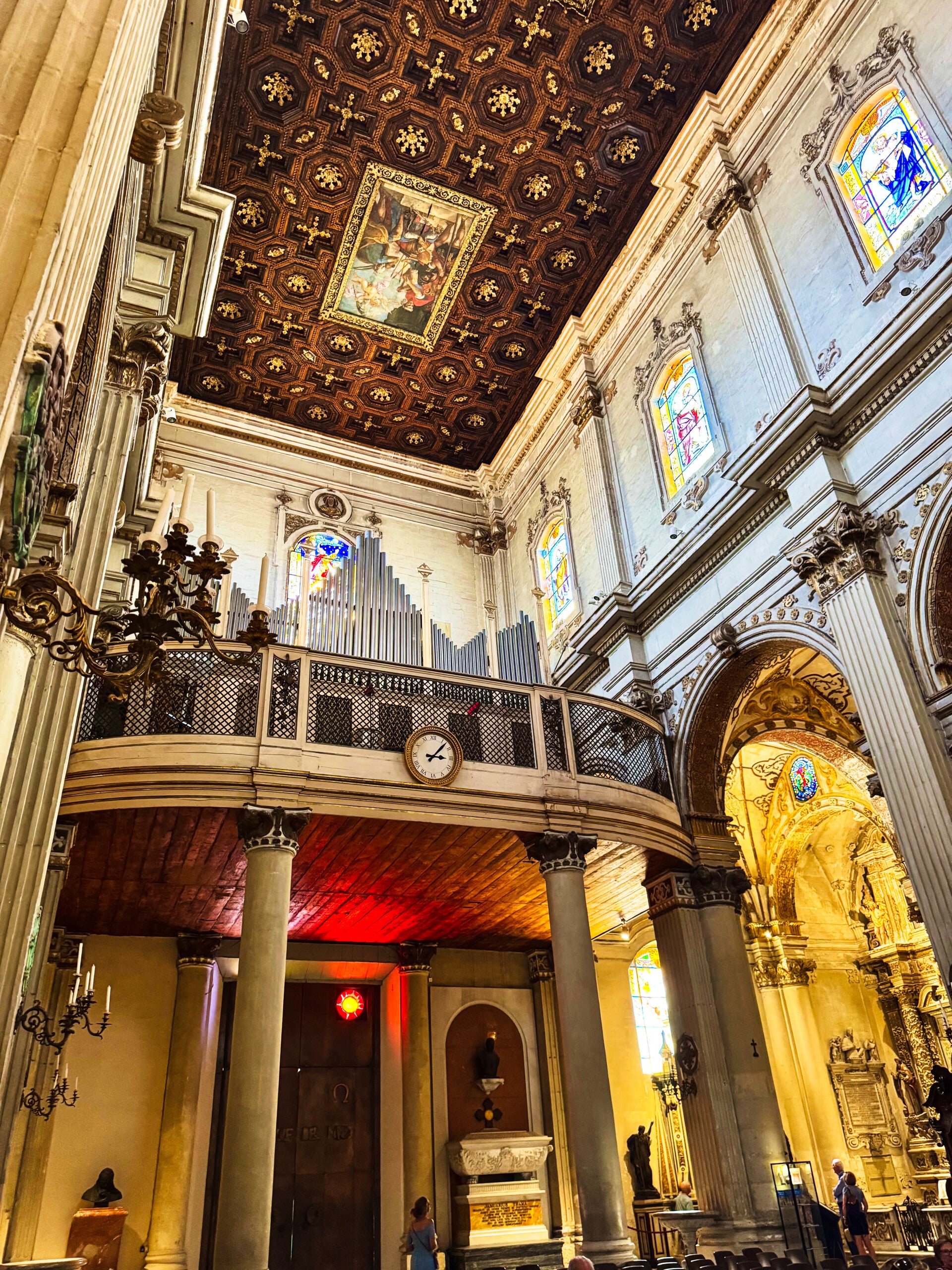
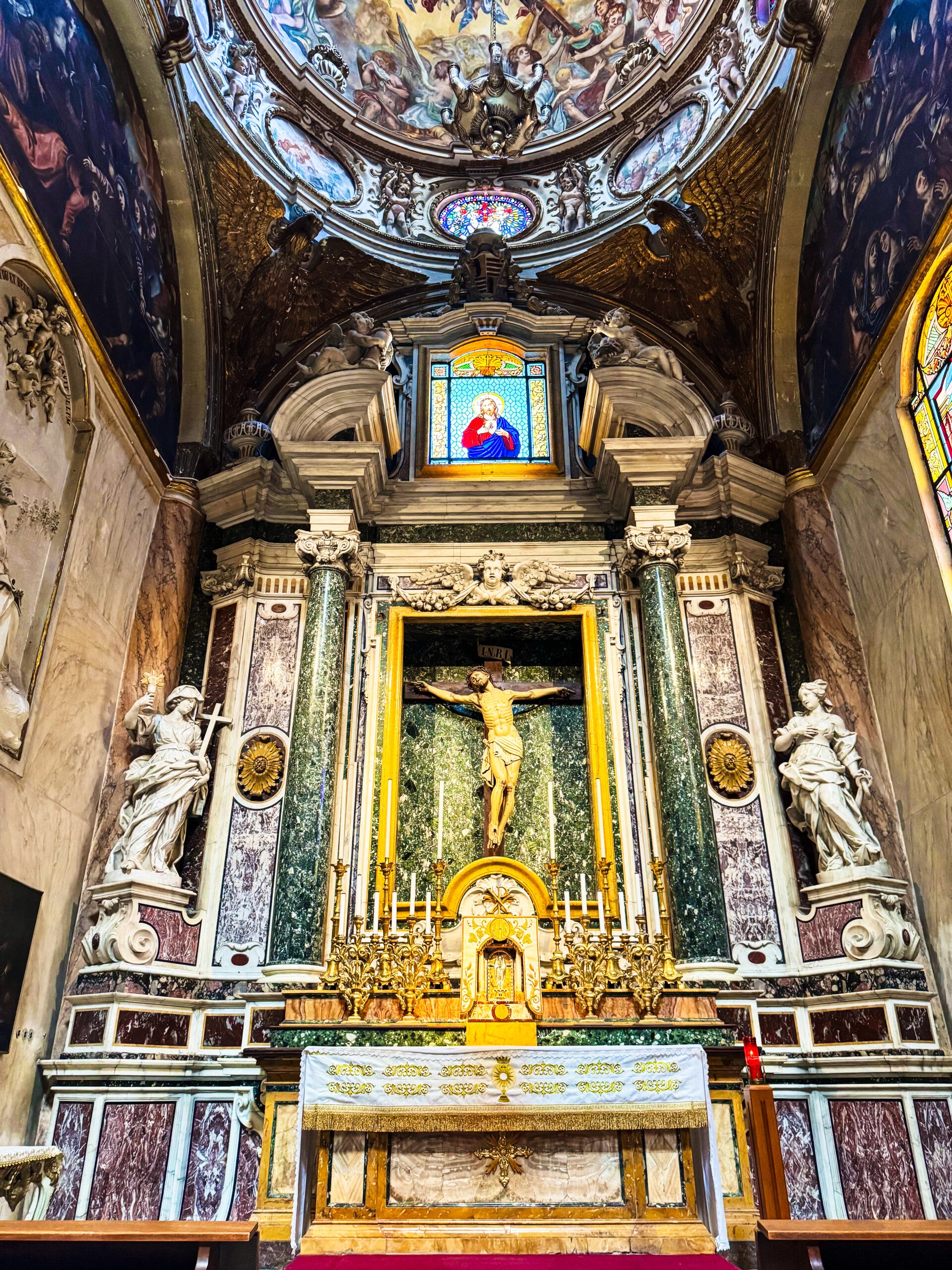
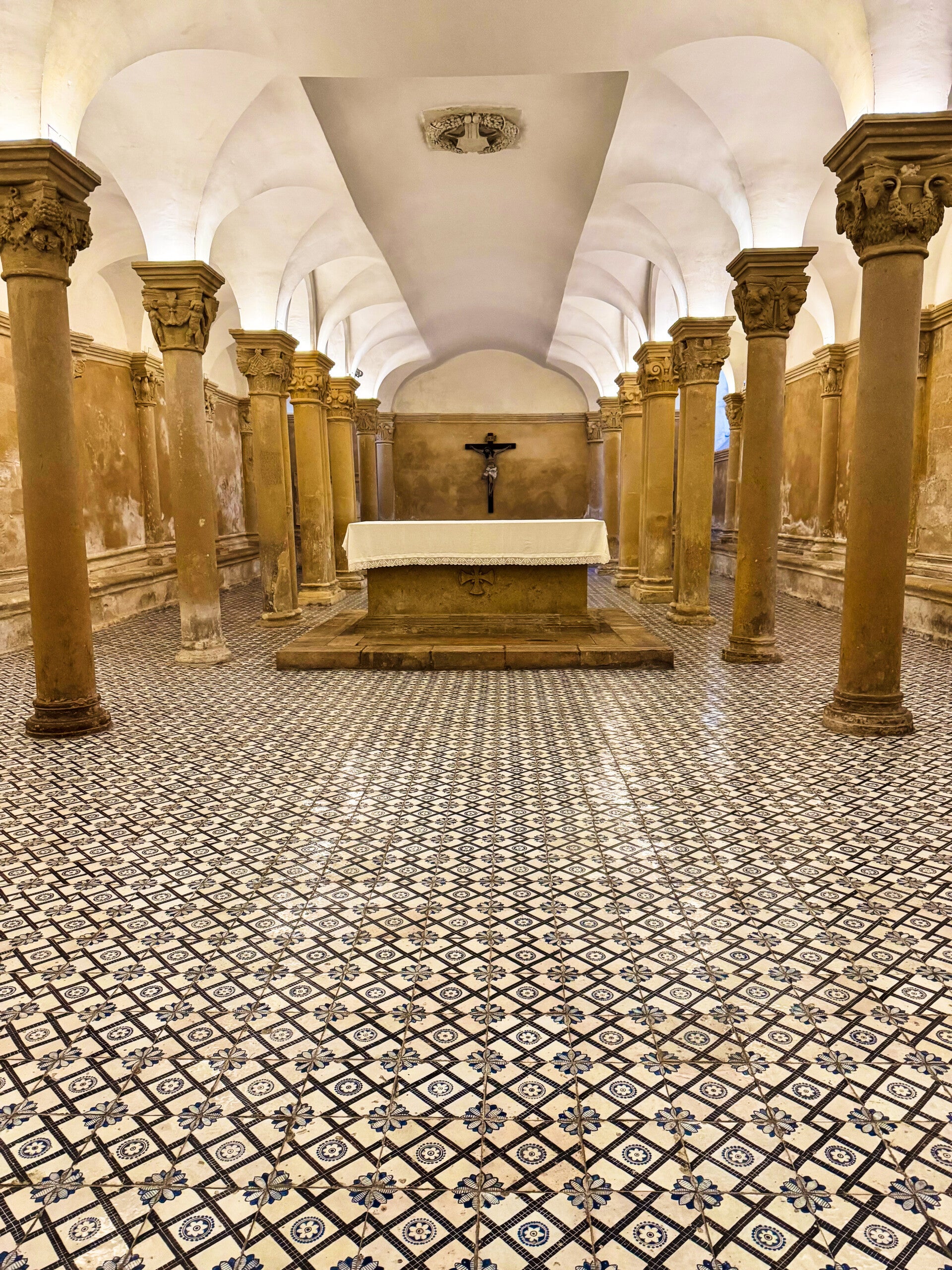
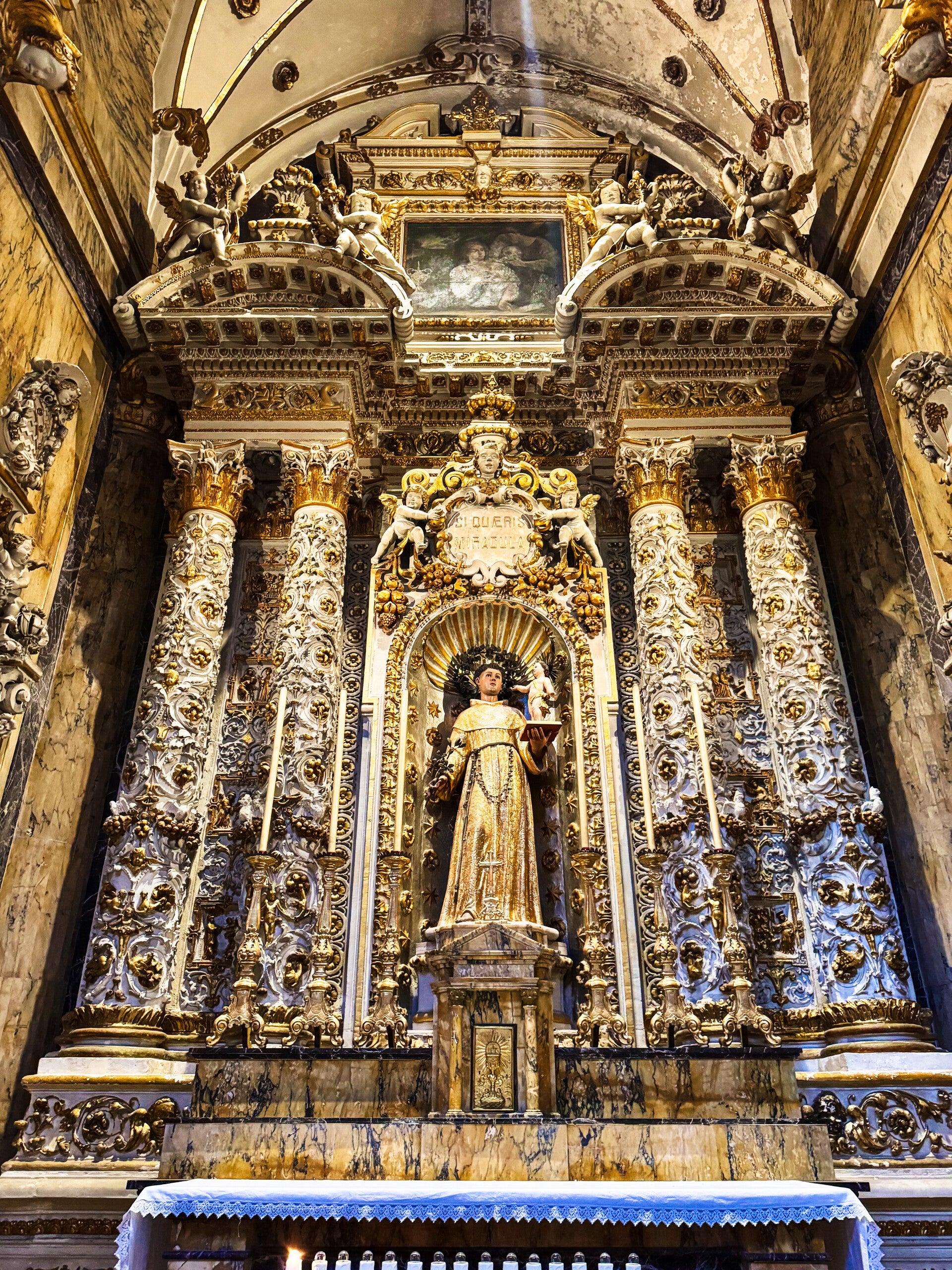
Our first stop was Piazza del Duomo with its impressive cathedral. The square feels almost like a world of its own and is definitely one of Lecce’s highlights. If you want to visit the cathedral, you can buy the tickets right next door. What I found a bit unfortunate, though, is that you can’t visit the Campanile del Duomo separately. The ticket includes several buildings, among them five additional churches, but we didn’t want to tour the entire package. So, in the end, we only visited the cathedral. It’s beautiful, no doubt, but I’ve seen more impressive ones in other cities. My tip: if you're only interested in the cathedral, enjoying it from the outside is often just as rewarding, especially since the square itself is already a sight worth seeing.
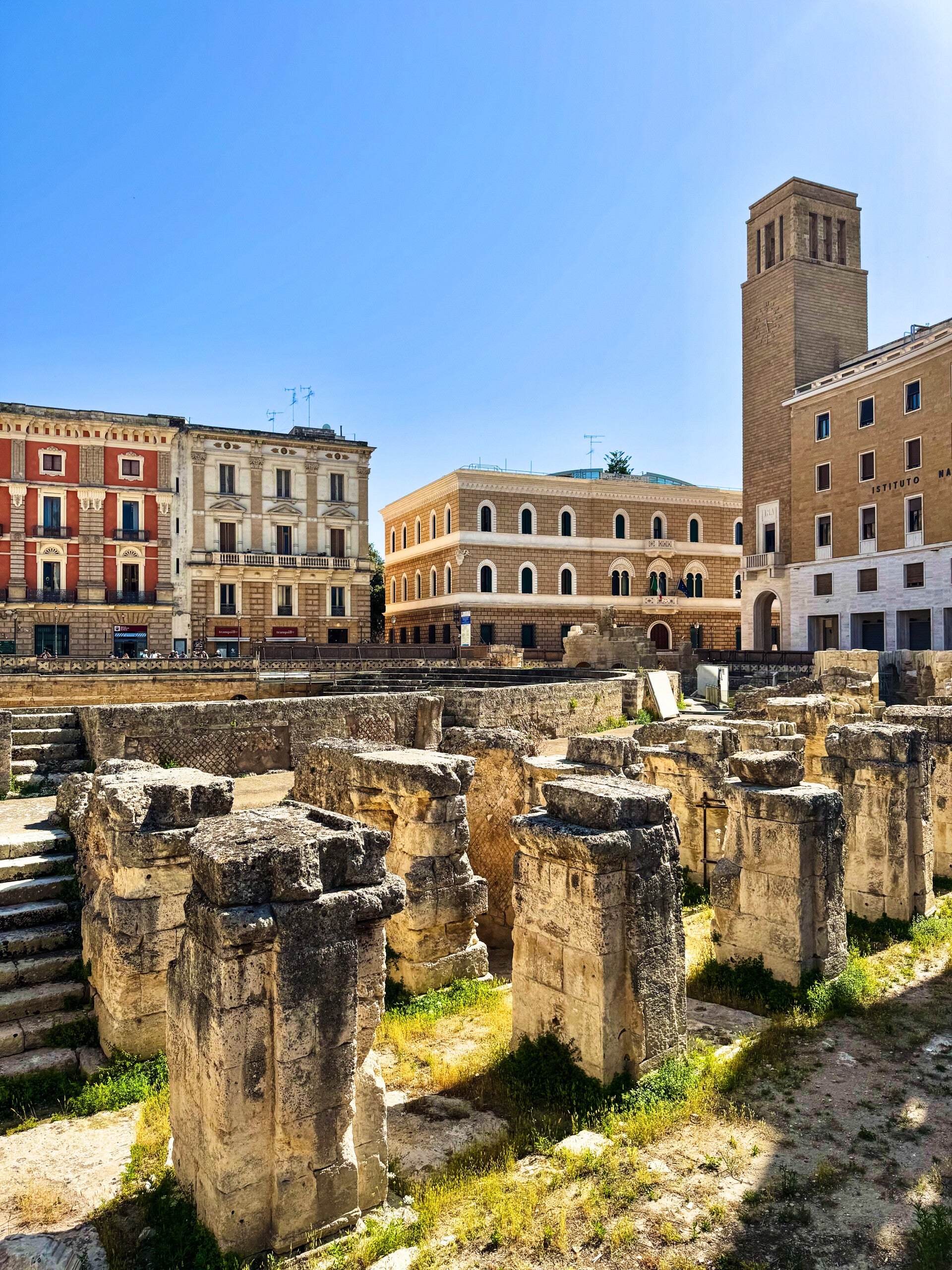
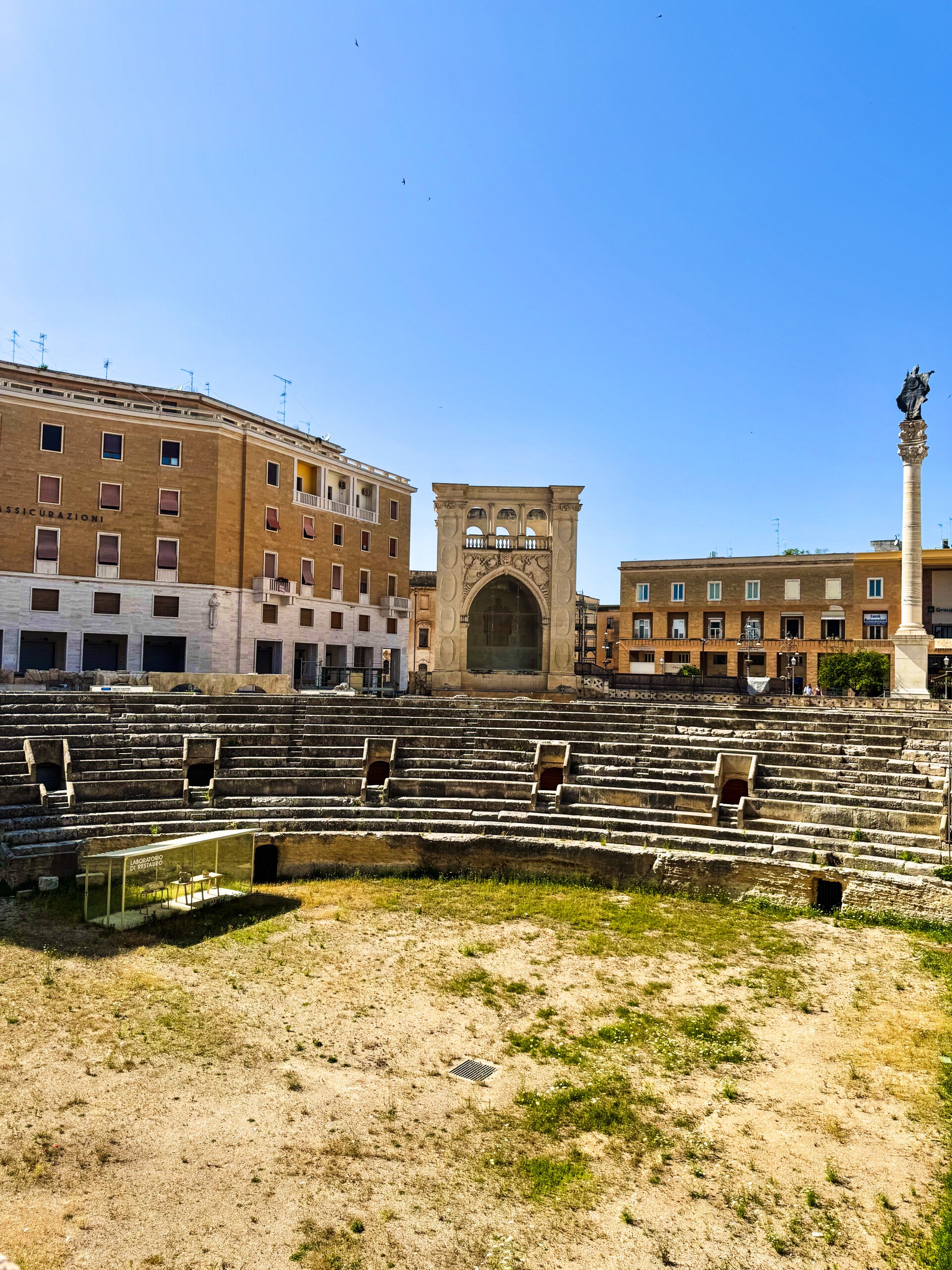
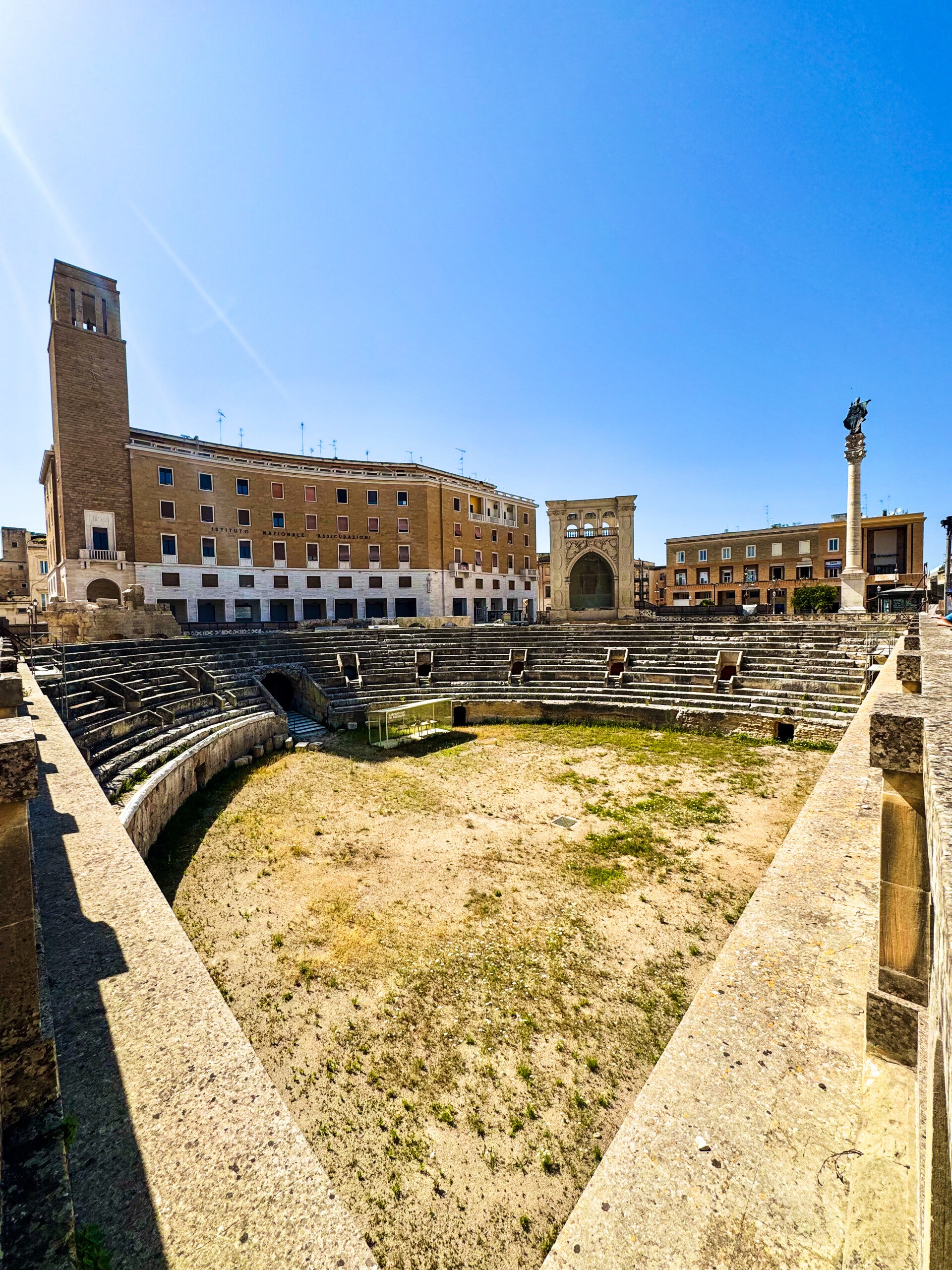
We also found the Roman amphitheater, located right in the middle of the old town, particularly fascinating. It’s an amazing sight and a great reminder of just how much history Lecce holds. Unfortunately, it was under renovation during our trip—just like the Teatro Romano. Still, we thought it was pretty impressive to stumble upon such ancient remnants right in the everyday life of a vibrant city.


Monopoli
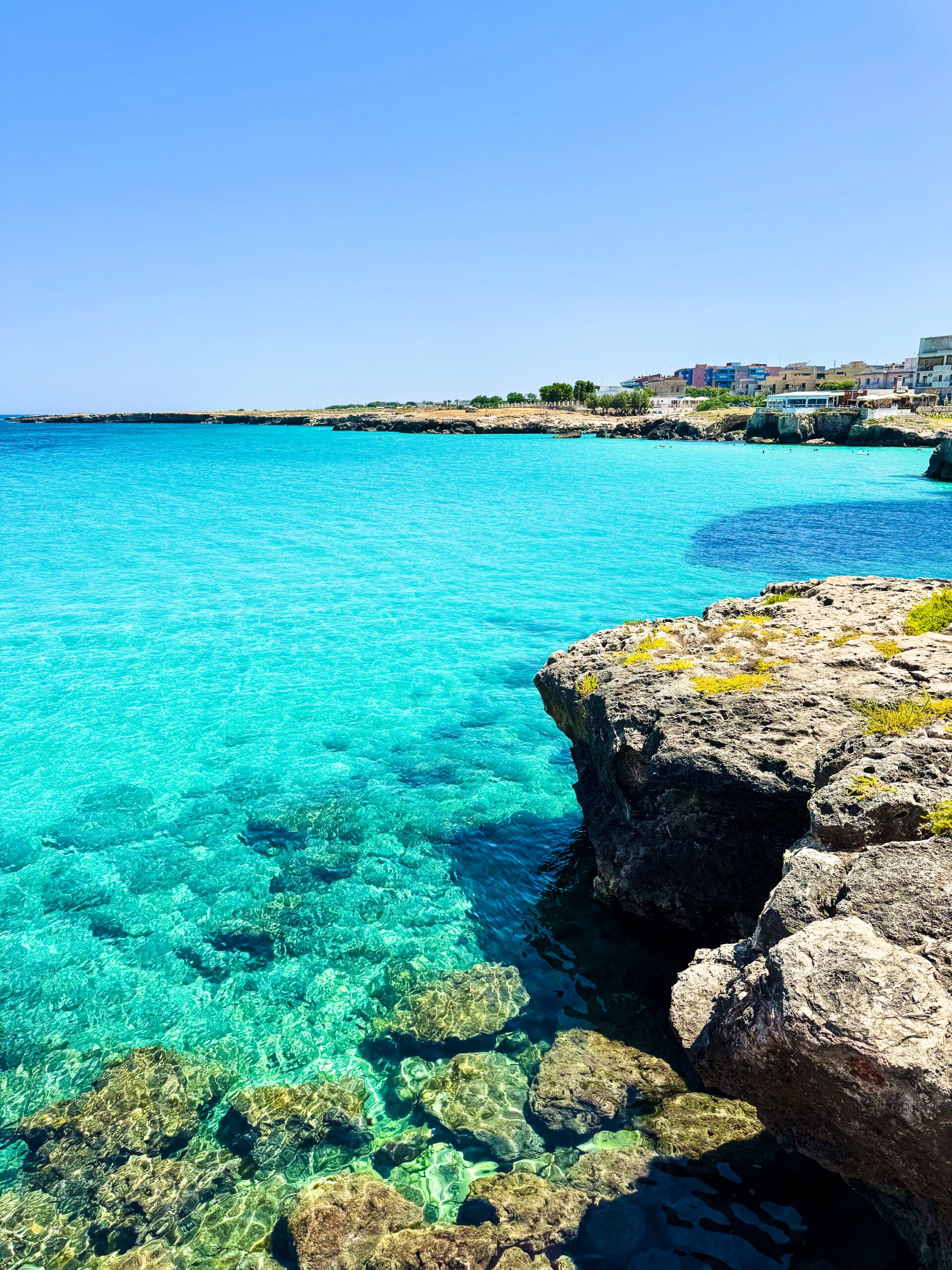
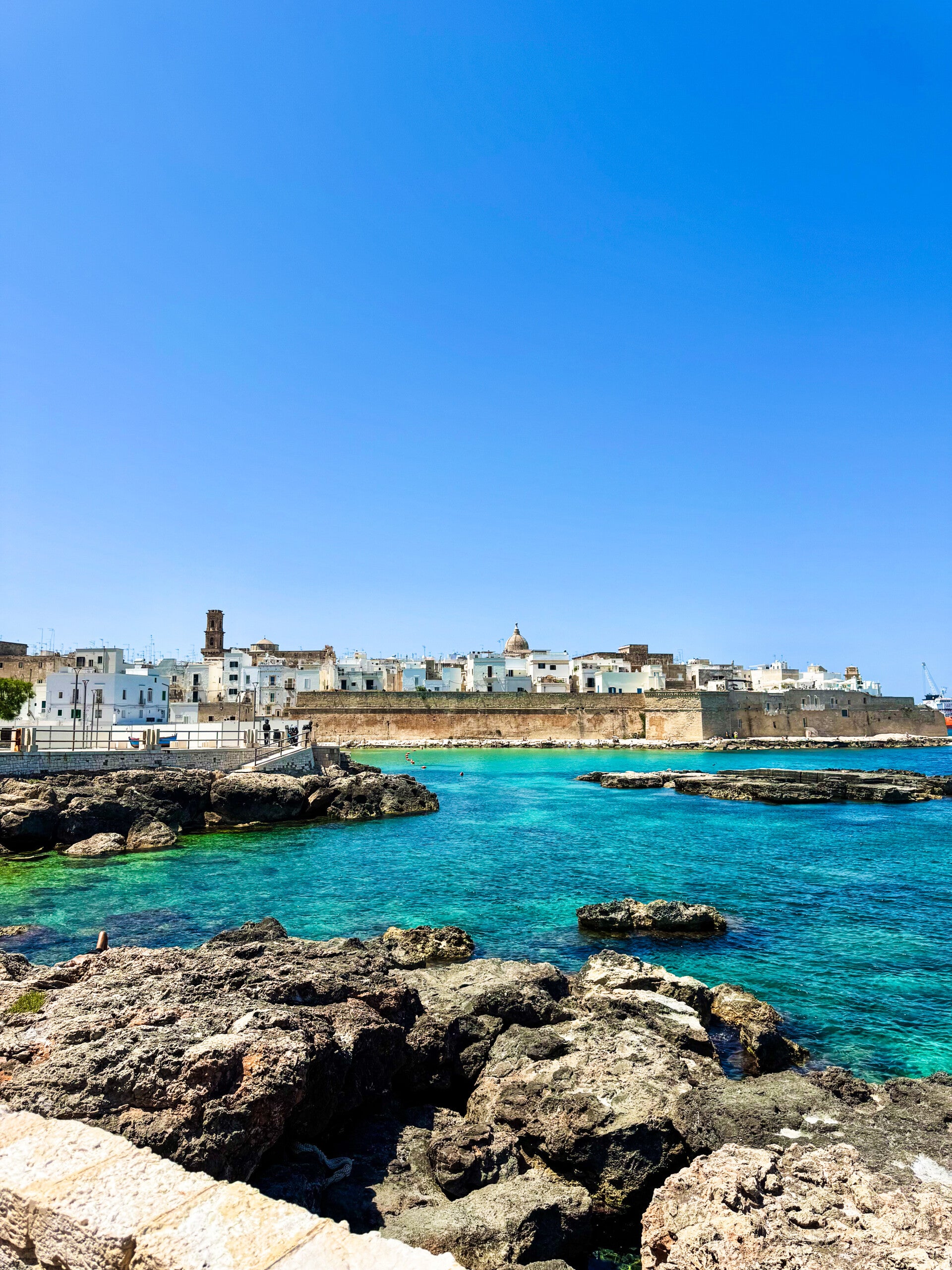
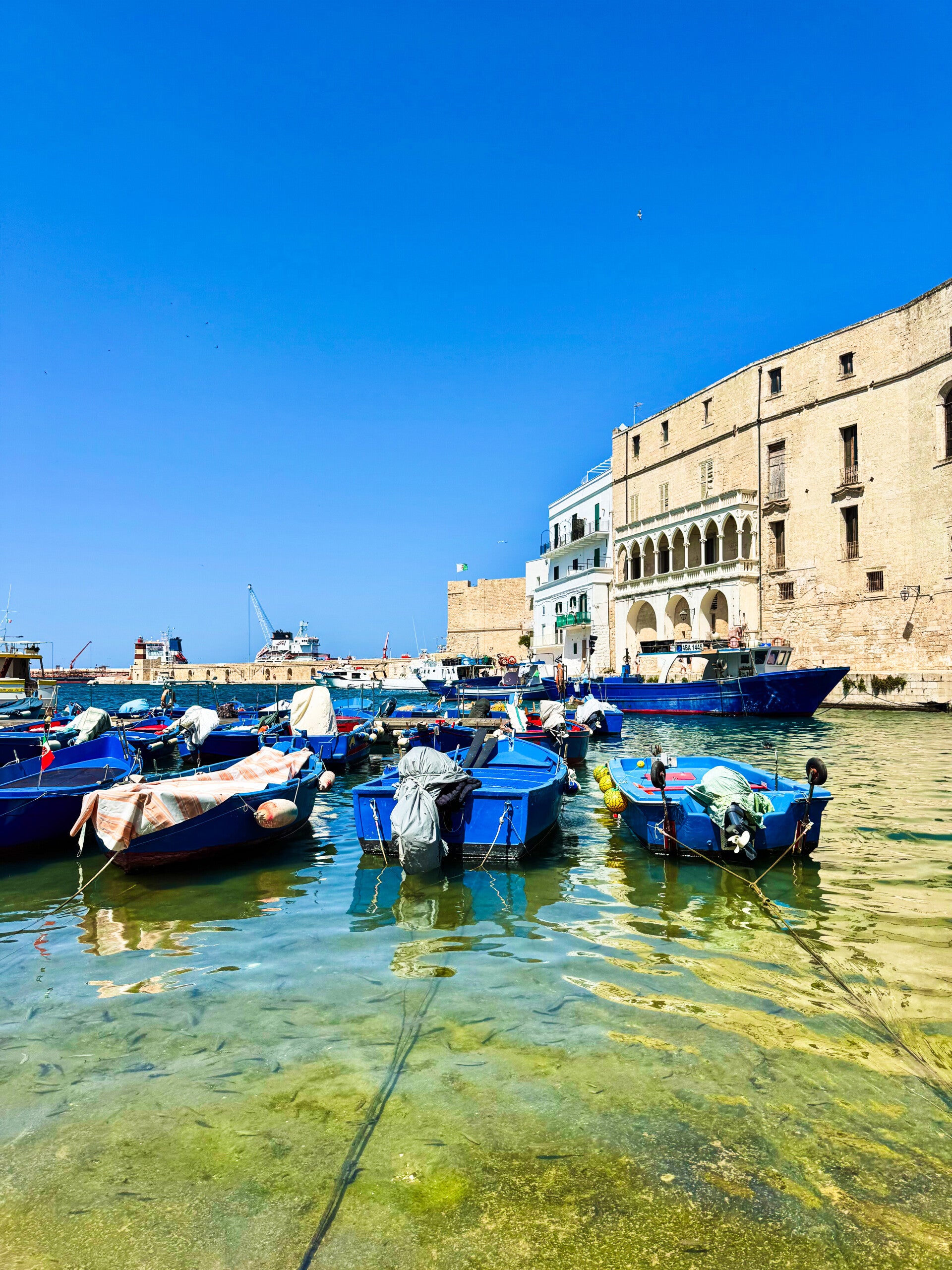
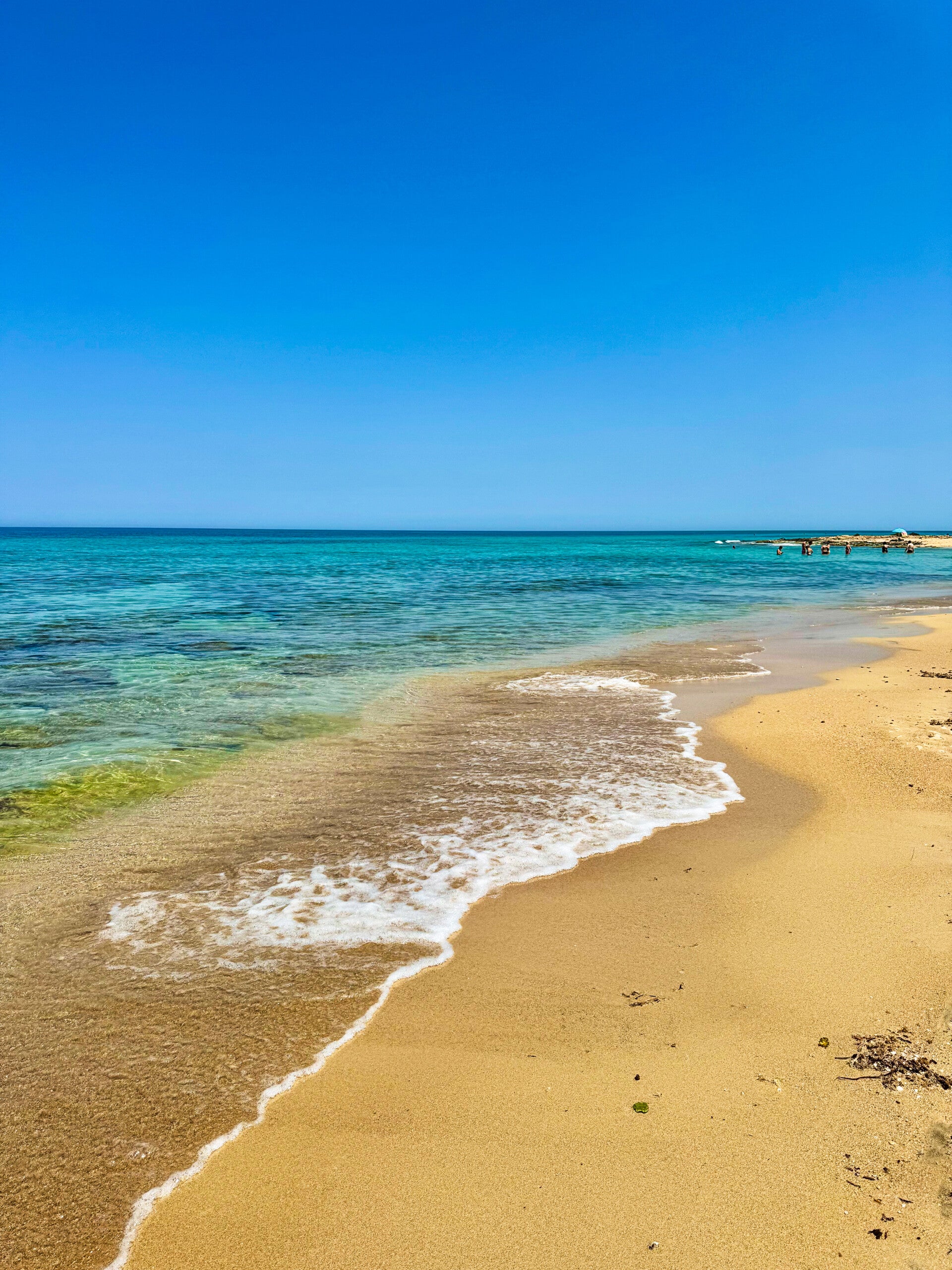
Monopoli is a very popular holiday destination, and for good reason. The old town is small, charming, and easy to explore, and it’s surrounded by beautiful coves with crystal-clear water. We parked right by the harbor and strolled from there into the heart of the old town.
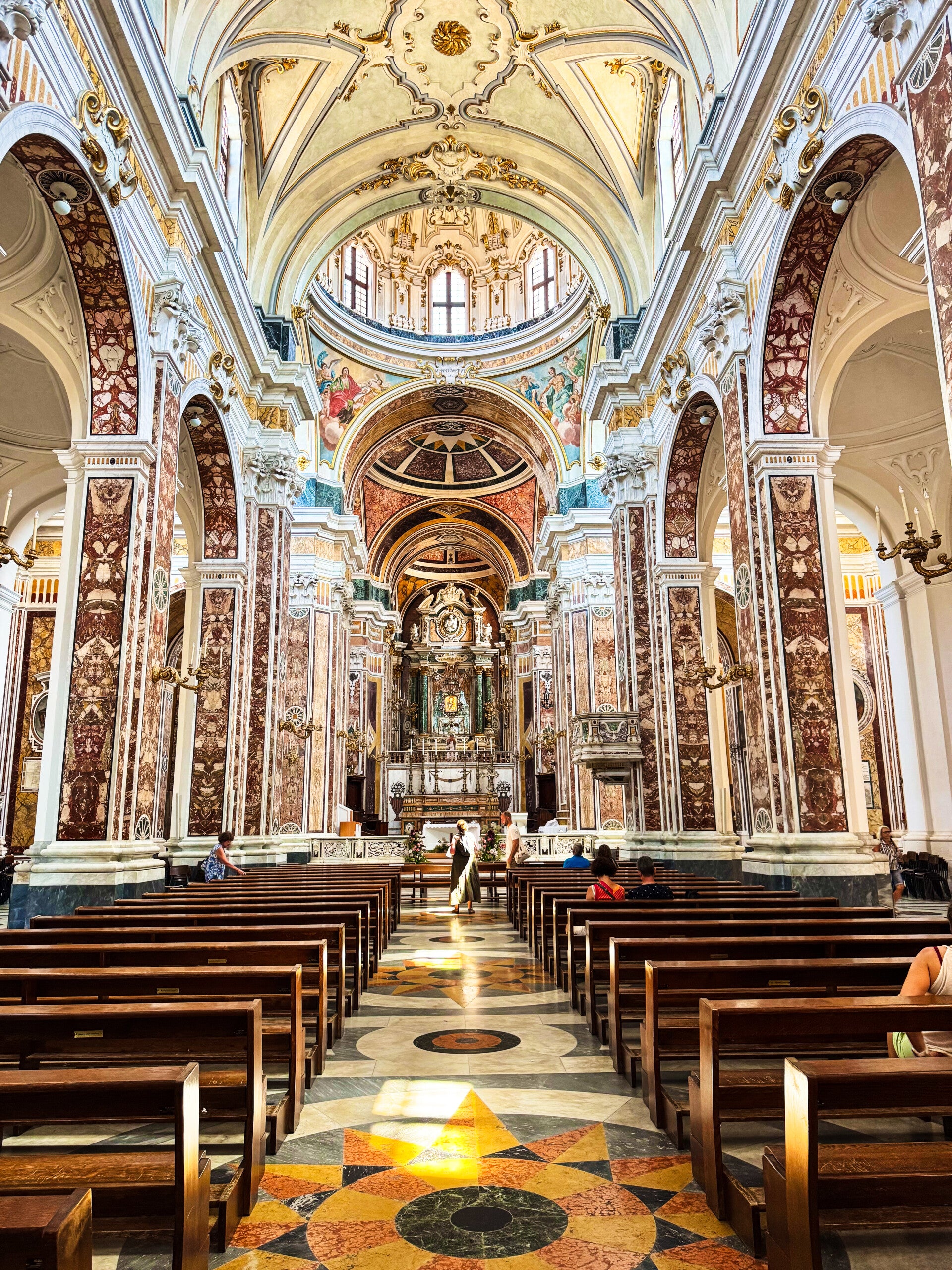
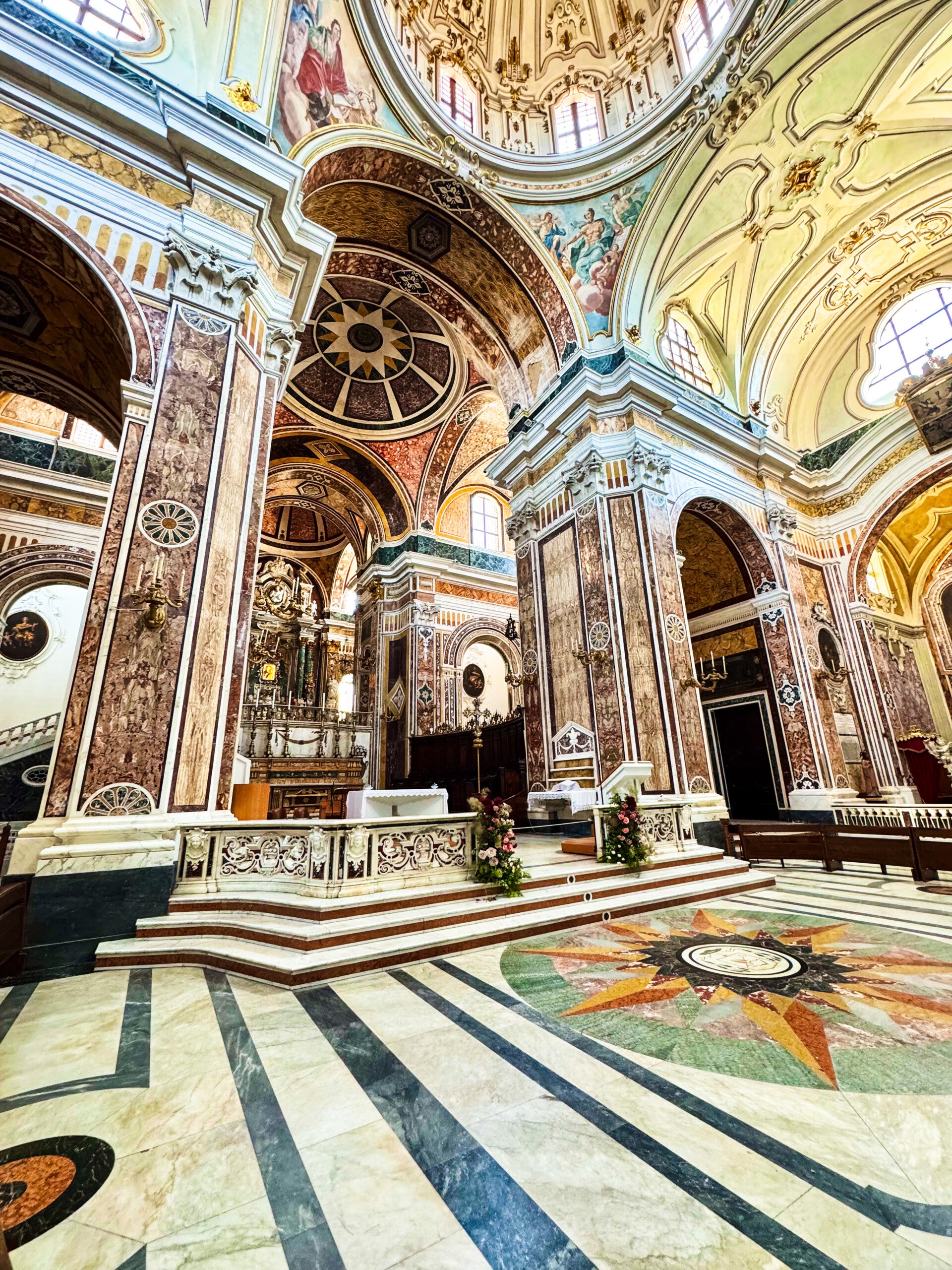
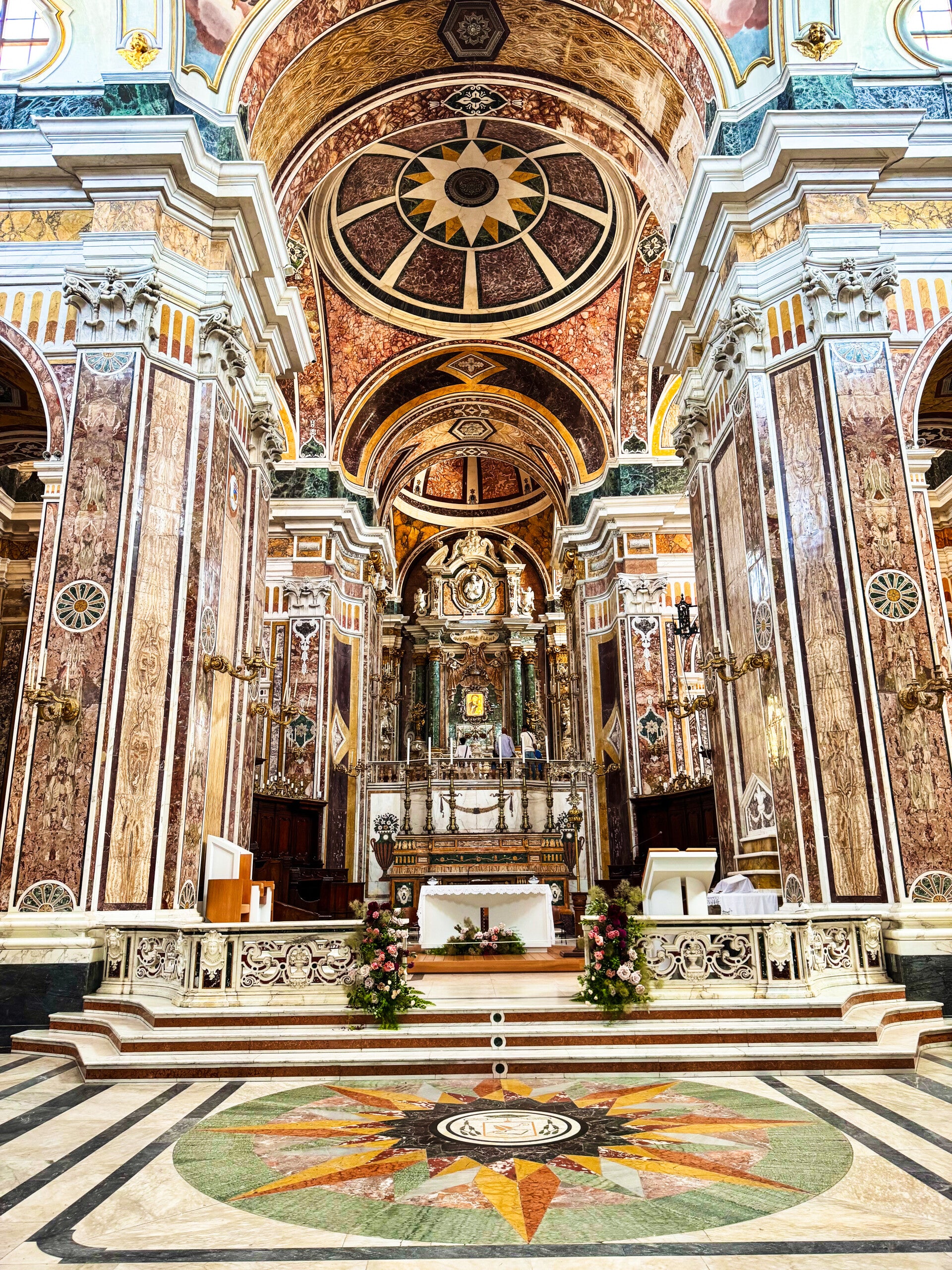
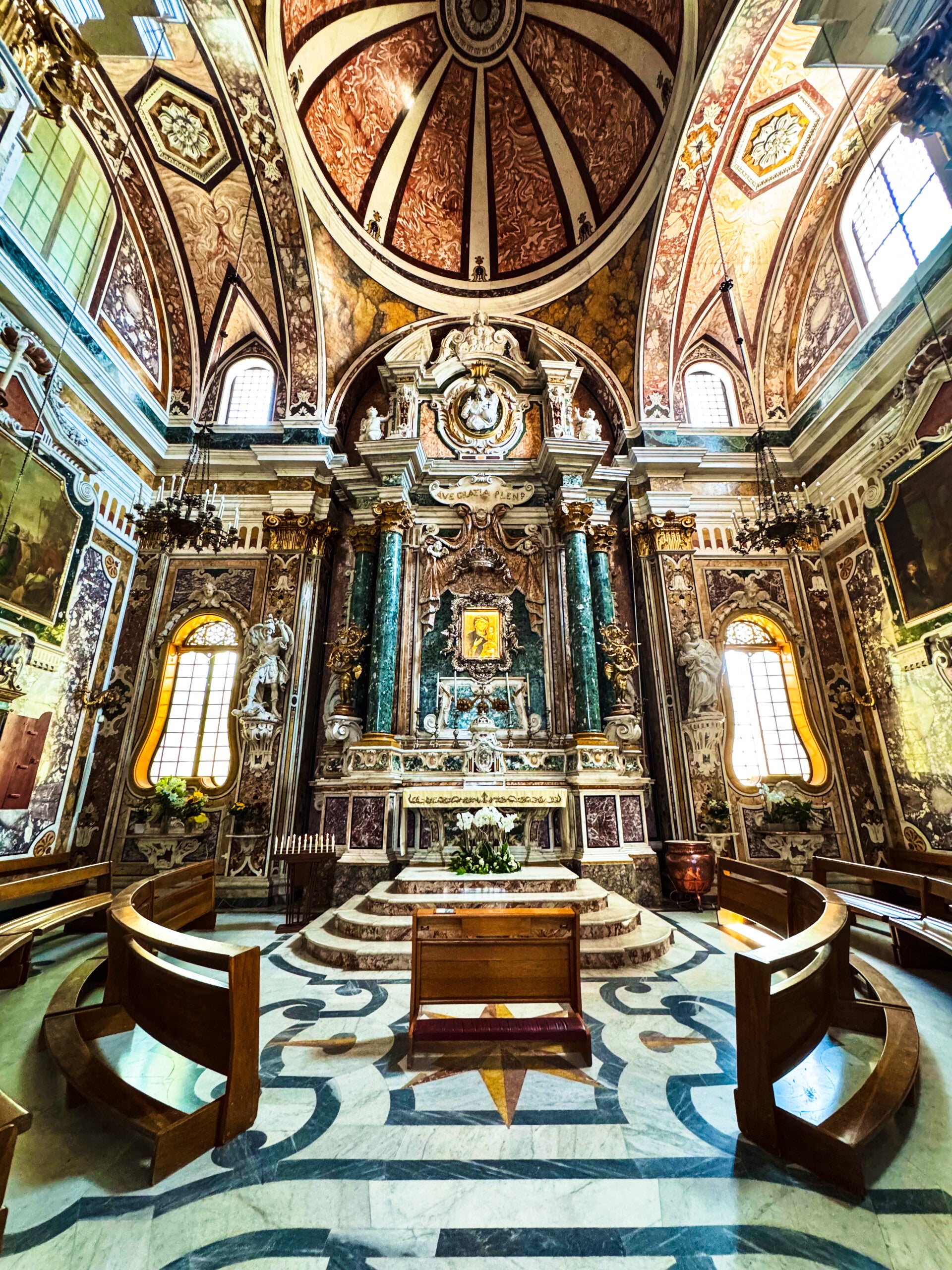
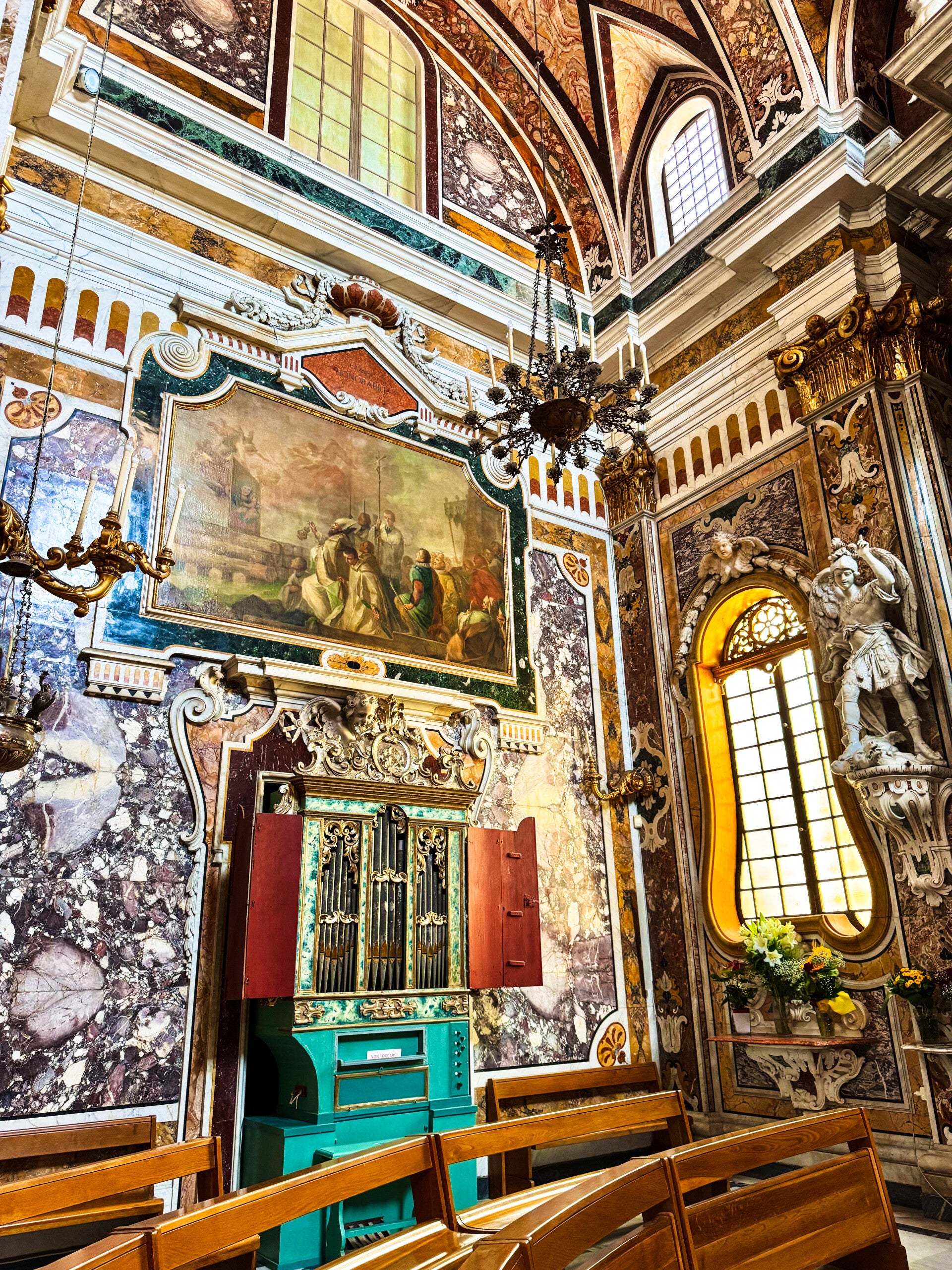
One of our first stops was the Basilica Cattedrale Maria Santissima della Madia. This Roman Catholic church is not only stunning but also one of Monopoli’s most important religious buildings. From the cathedral, a maze of pretty white alleyways quickly leads you down to the town beach, Cala Porta Vecchia. This rocky stretch of coastline rewards you with incredibly clear water, perfect for dipping your feet into the sea or simply enjoying the view.
I must admit, it took me a little while to warm up to Monopoli. At first, I didn’t quite get that familiar feeling of being in a lively city center. But then we discovered the charming Piazza Giuseppe Garibaldi, and suddenly everything clicked. A welcoming square full of atmosphere, cozy cafés, relaxed people and that wonderful sense of finally having arrived at the heart of the town.




Polignano a Mare
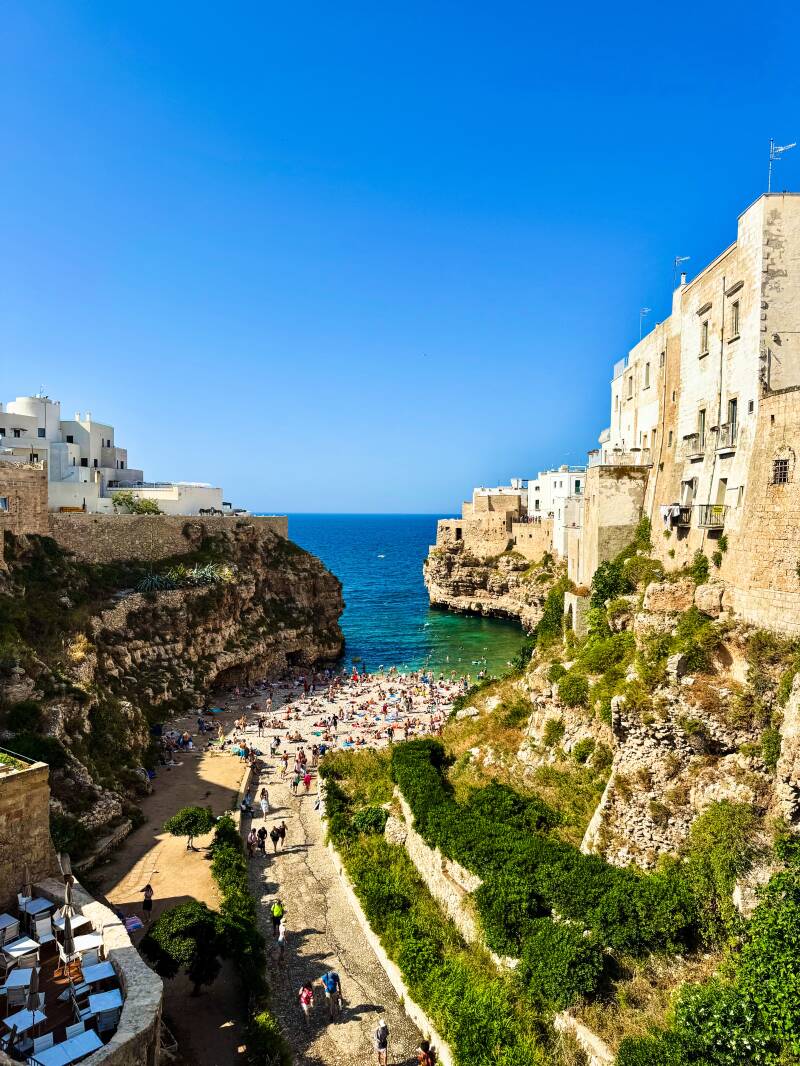
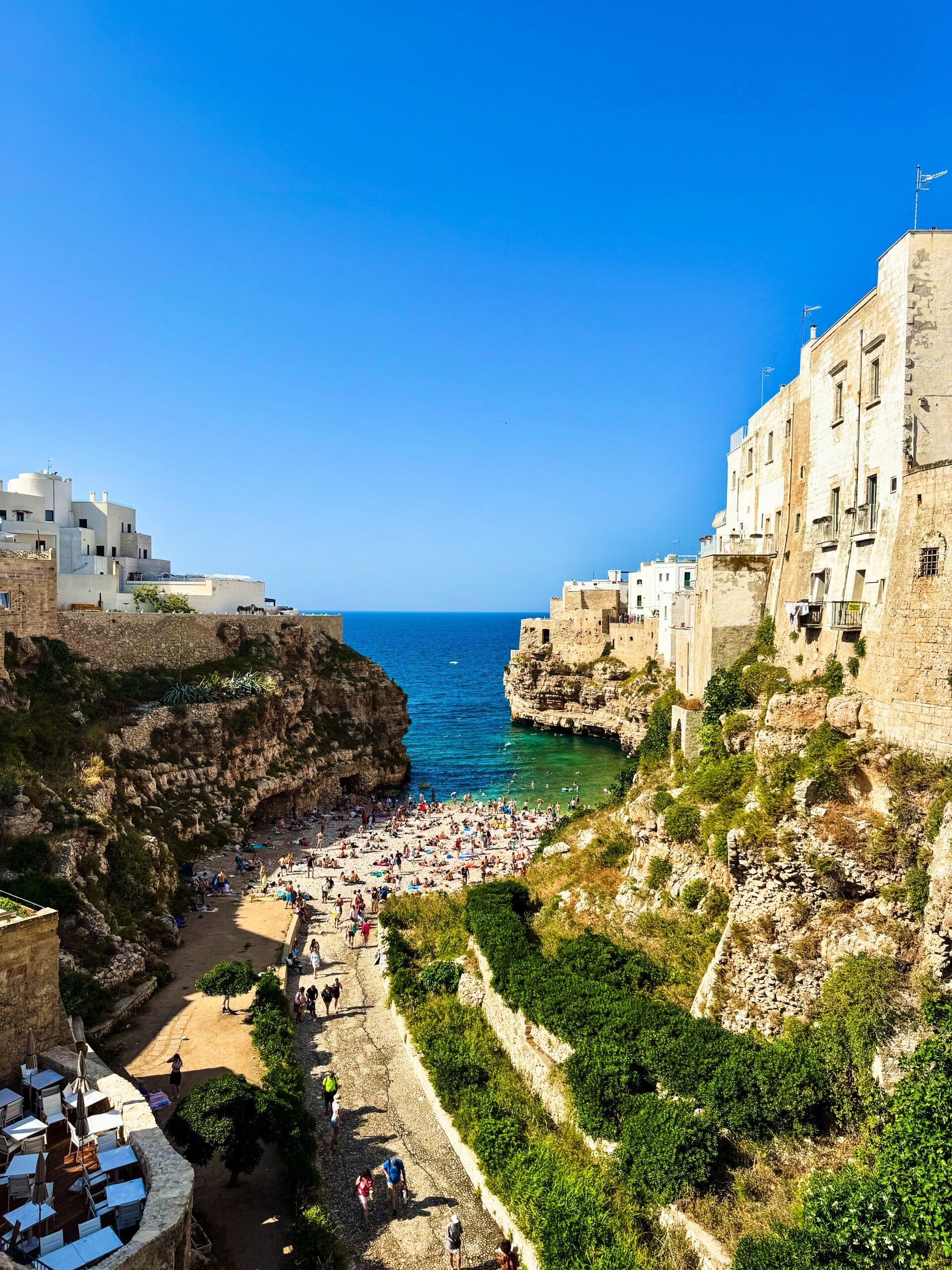
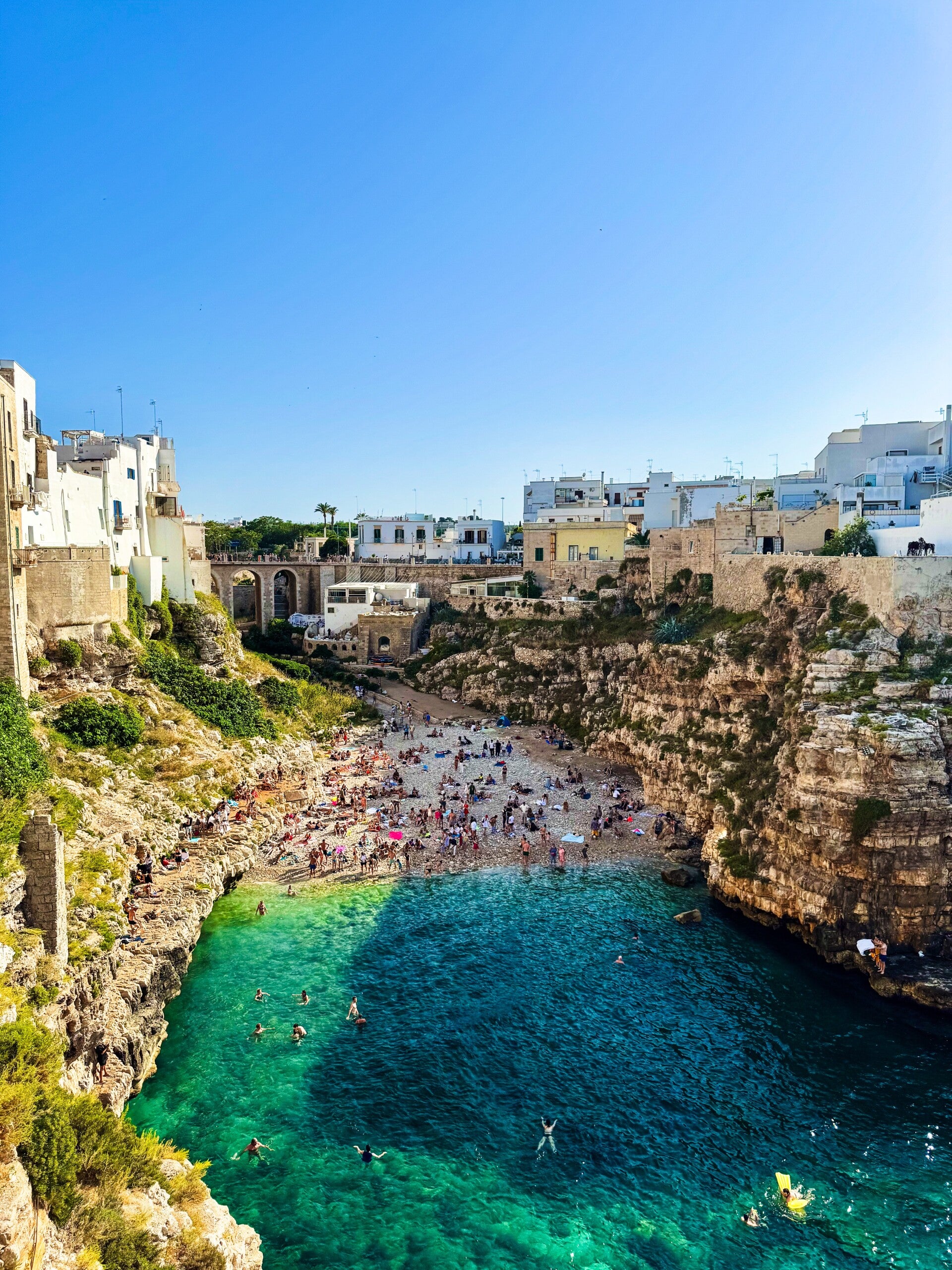
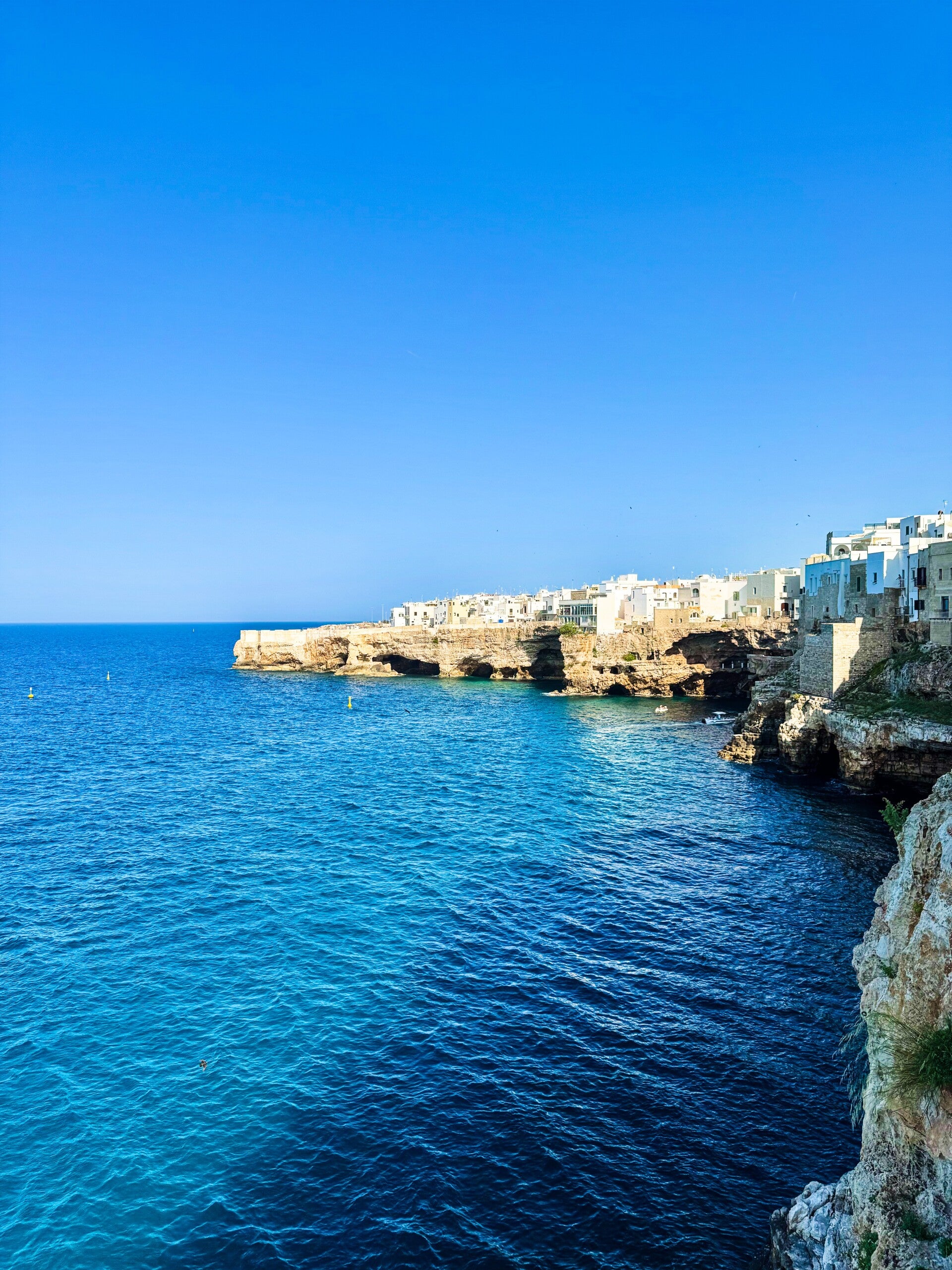
I had seen Polignano a Mare countless times on Instagram, the iconic bridge, the dramatic cliffs, the picturesque little beach. But seeing it in real life? Even more breathtaking than I ever expected.
We parked at Parcheggio San Francesco e Sant’Oronzo and walked about ten minutes toward the center. On the way, you automatically pass the impressive Ponte Borbonico, the huge stone bridge with a dreamlike view over Lama Monachile, the famous beach tucked between towering cliffs. The viewpoint from Belvedere su Lama Monachile offers another stunning perspective, one of those spots where you could easily spend a few minutes just soaking it all in.
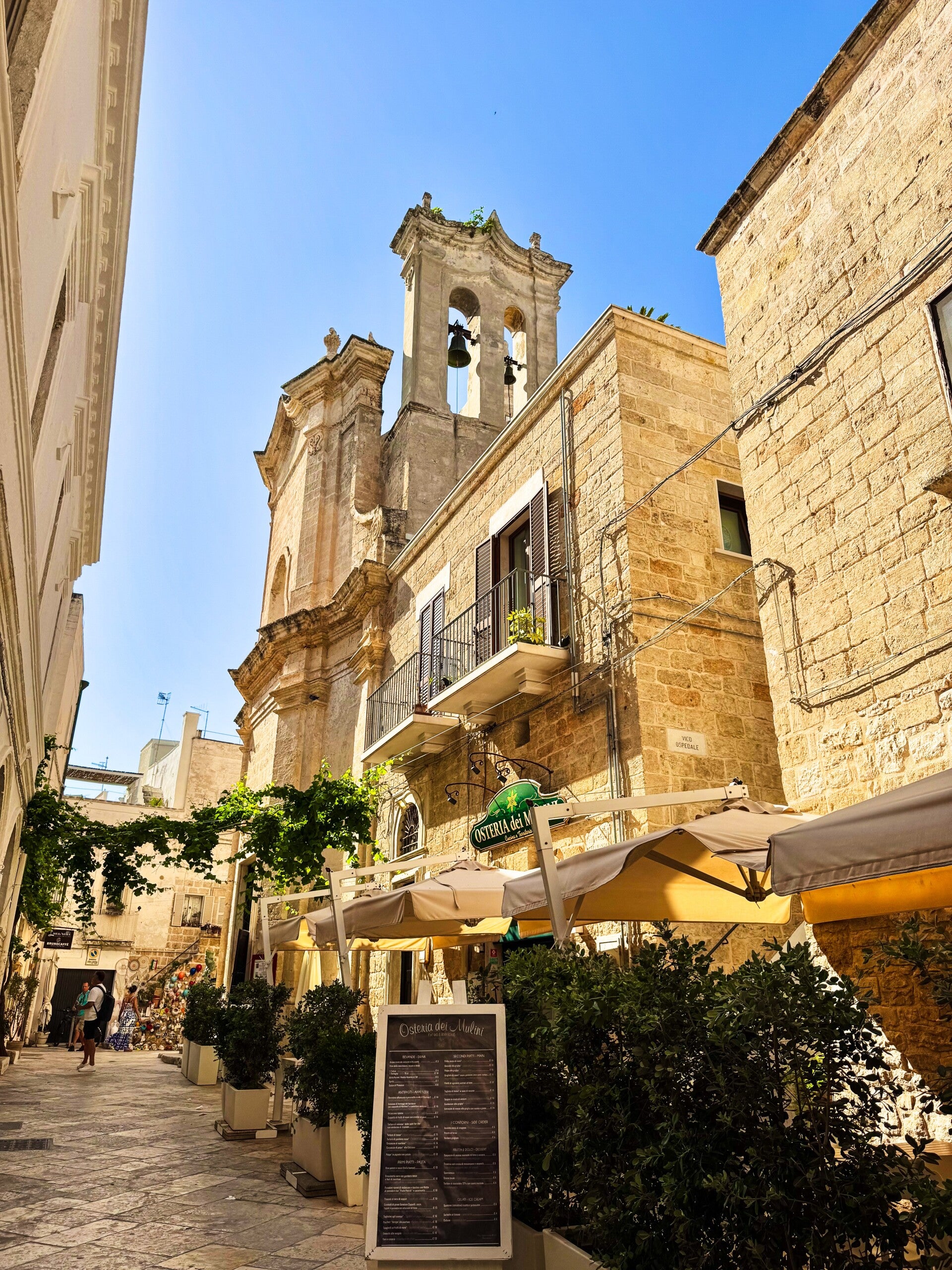
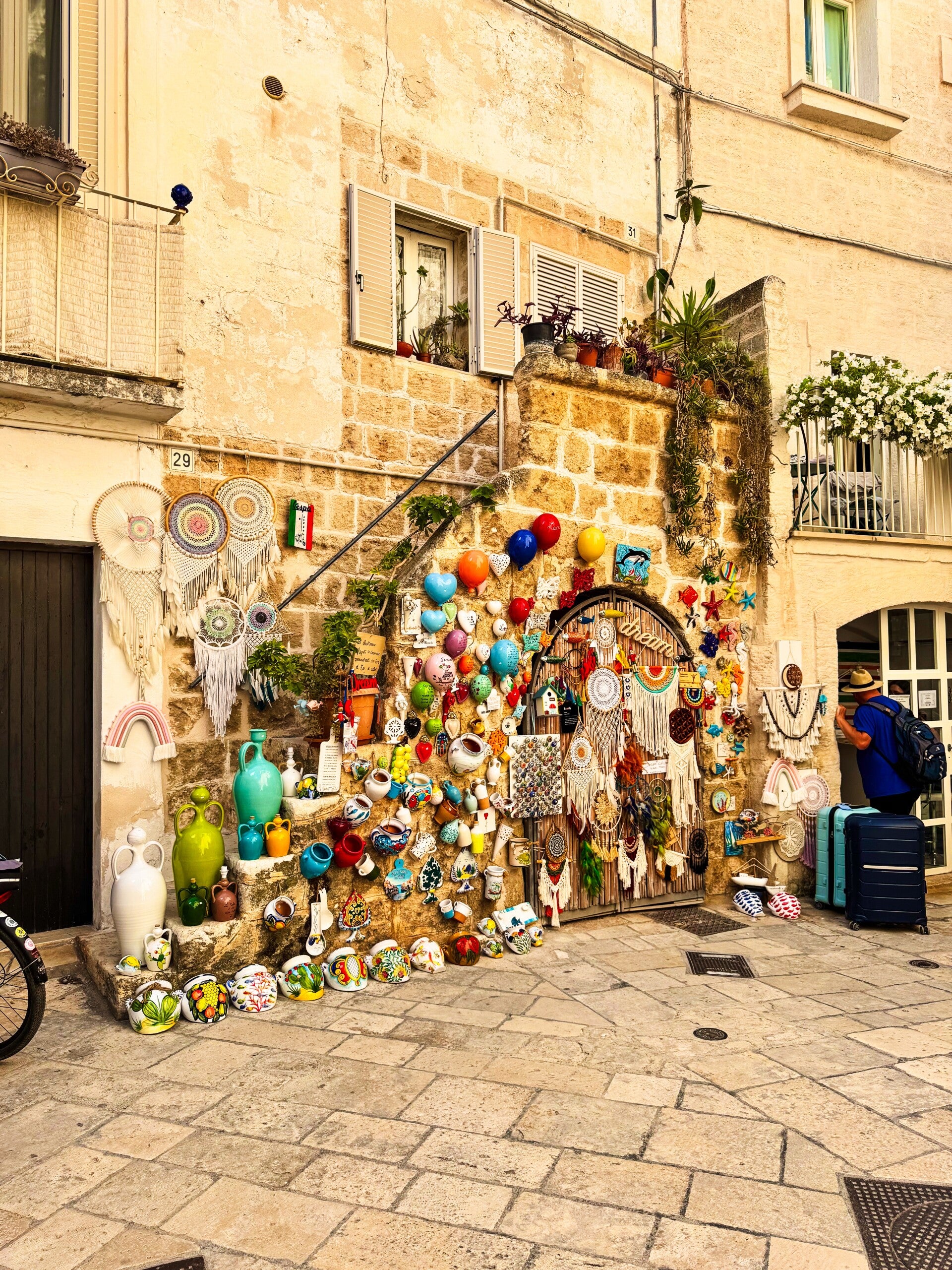
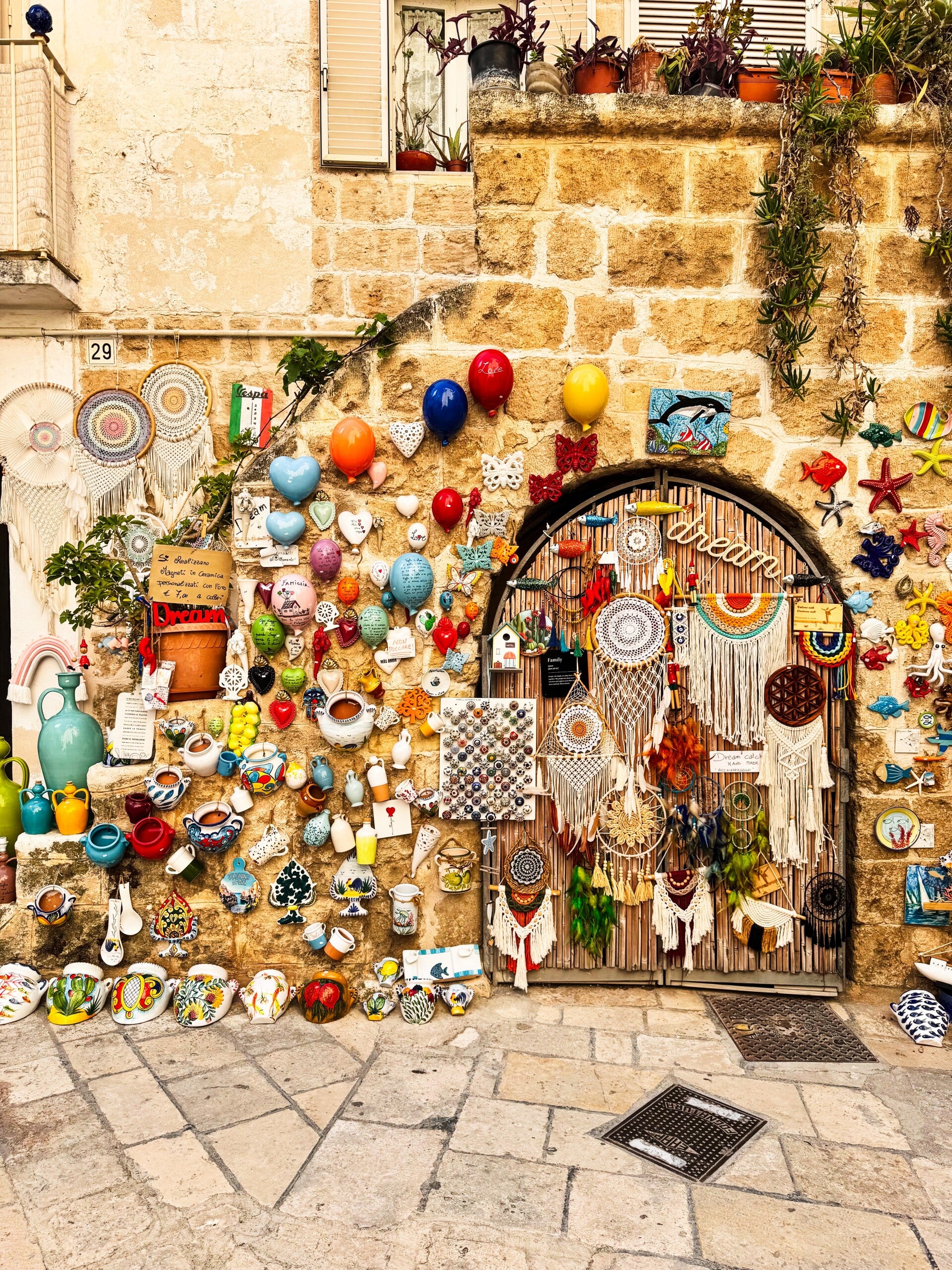
Passing through the Arco Marchesale, the medieval city gate, you enter directly into the maze of narrow alleyways that form the old town. It’s incredibly charming, whitewashed houses, winding lanes, and lots of little boutiques that give the center a cozy, welcoming vibe.
I absolutely loved it there. Polignano a Mare has that perfect mix of dramatic scenery and irresistible Italian charm.

Ostuni
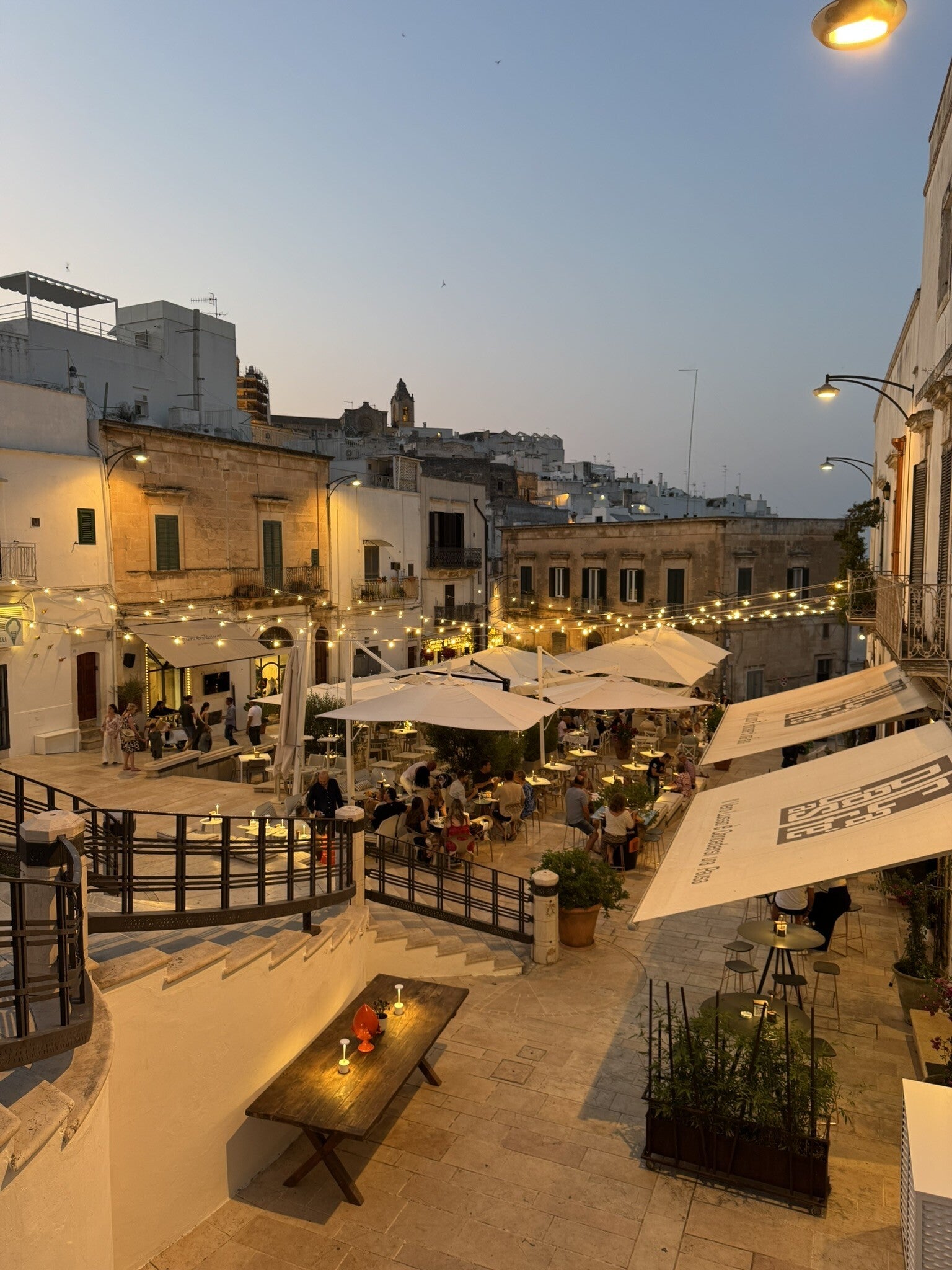
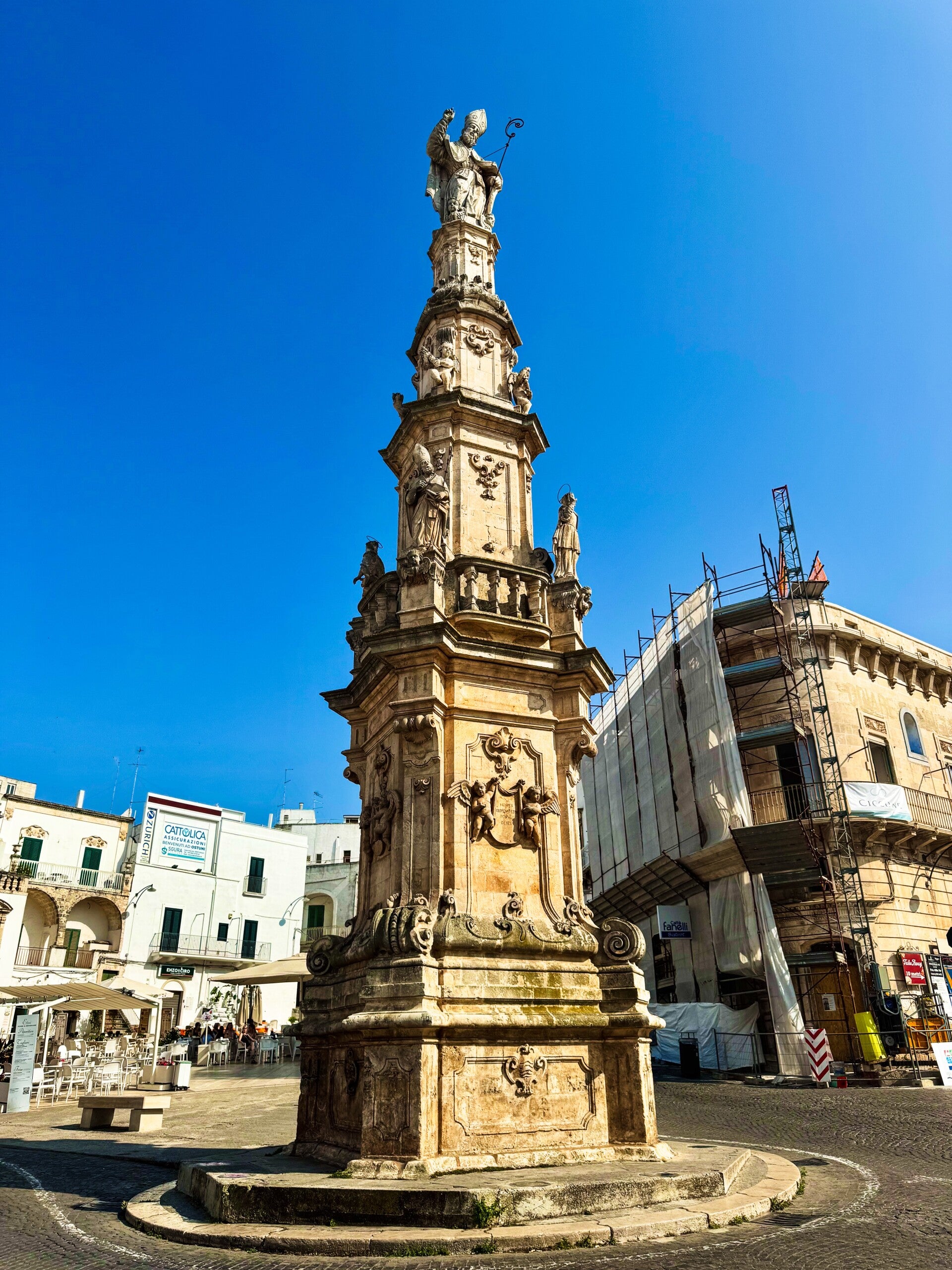
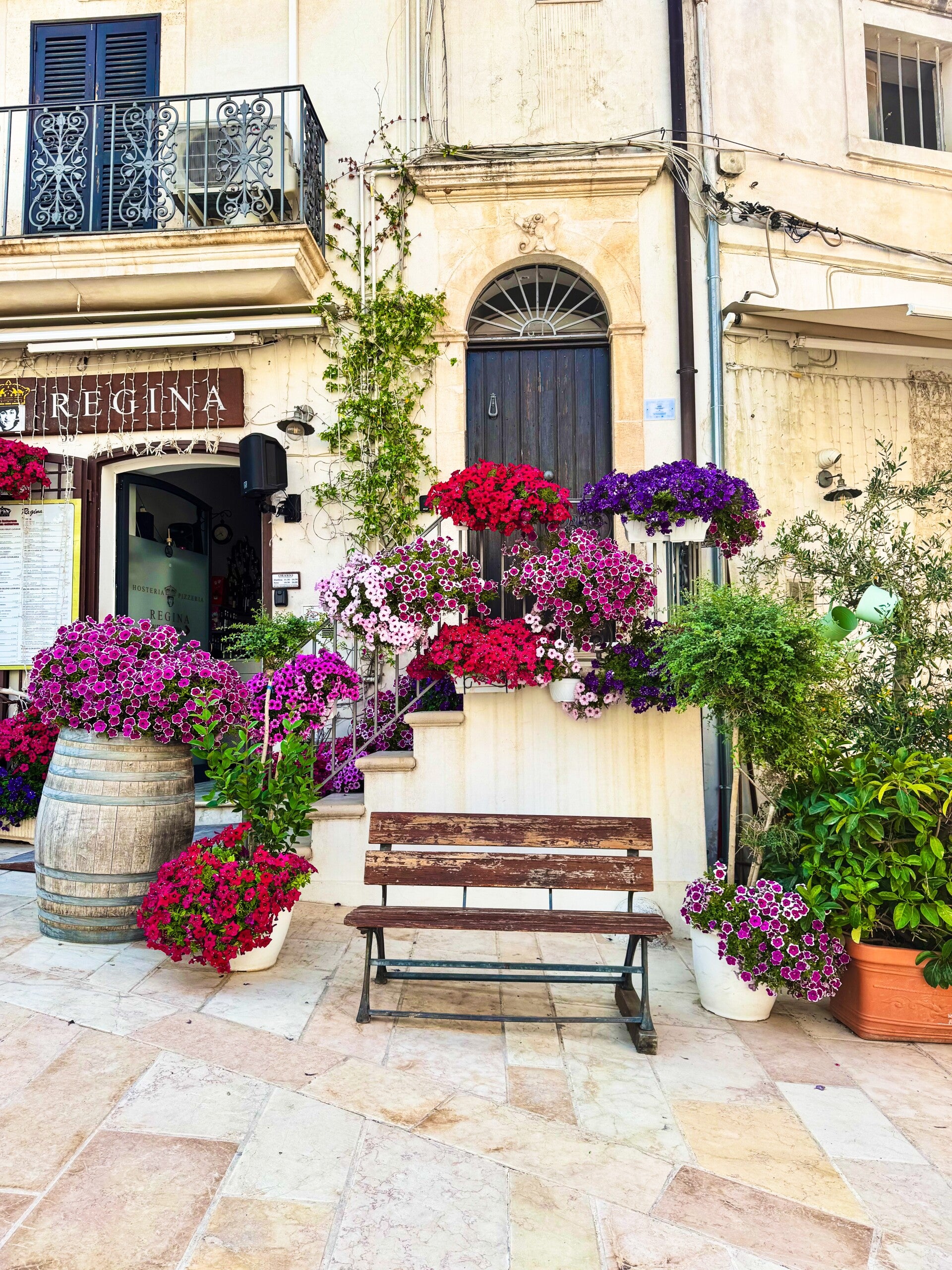
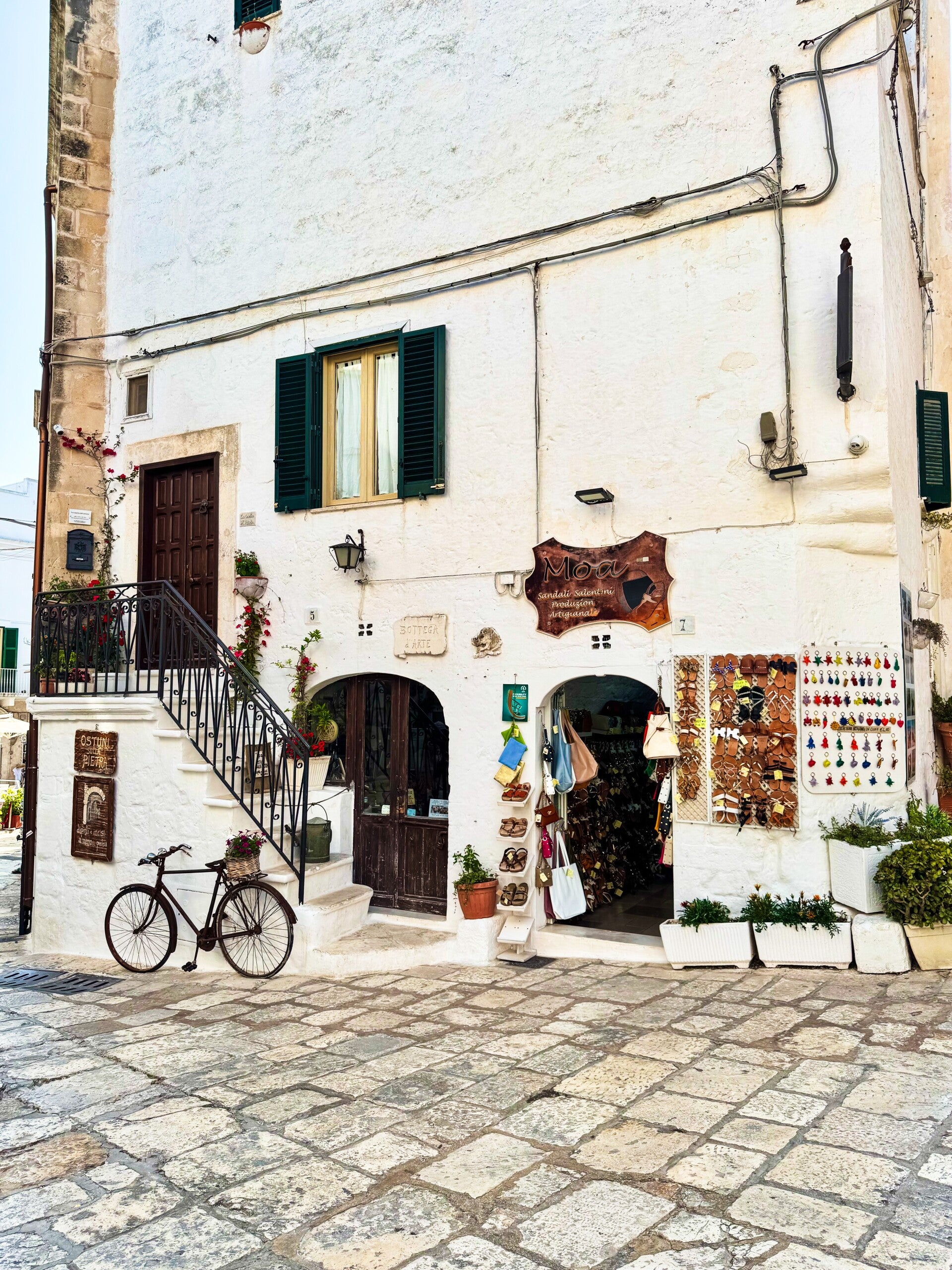
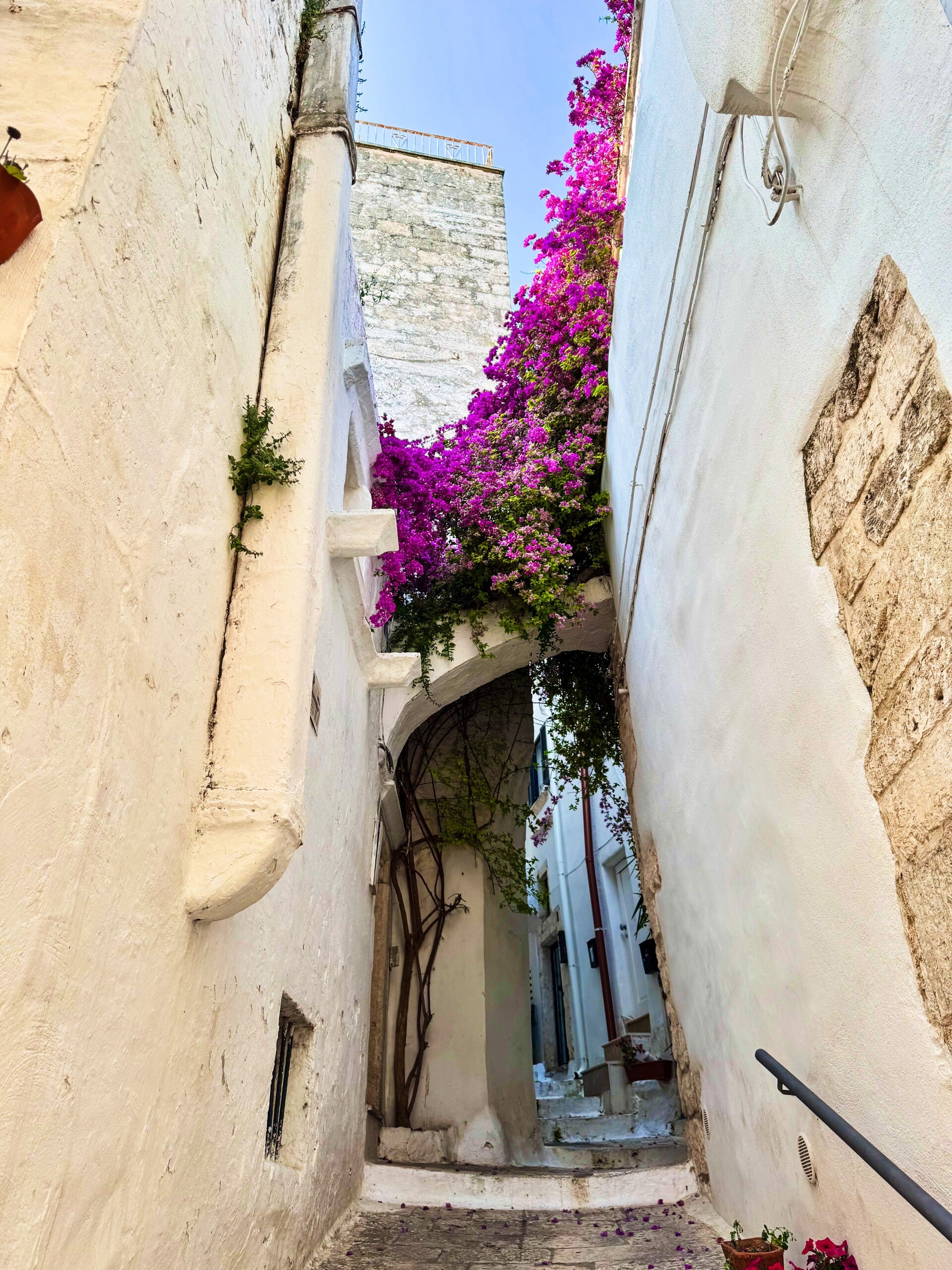
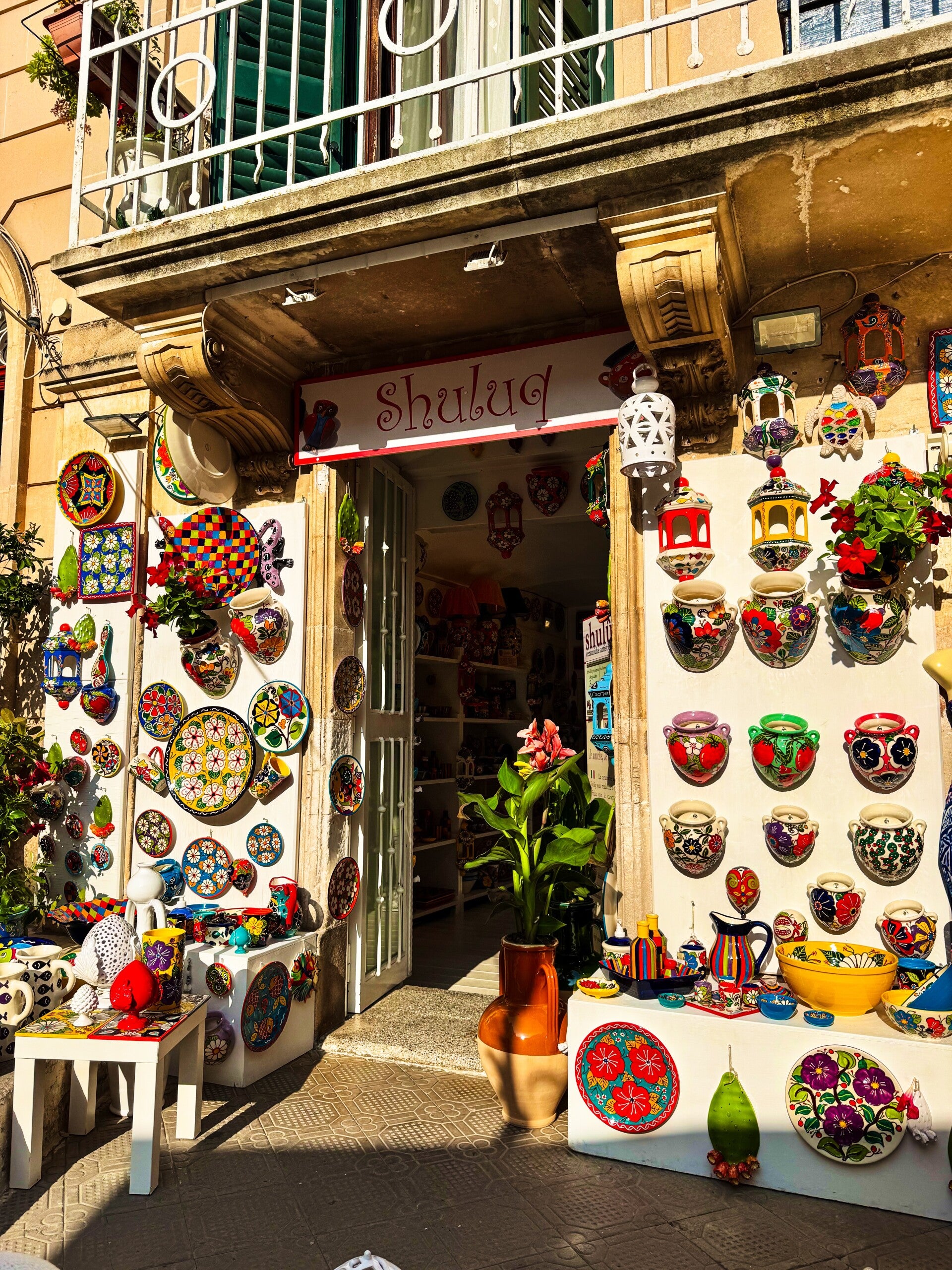
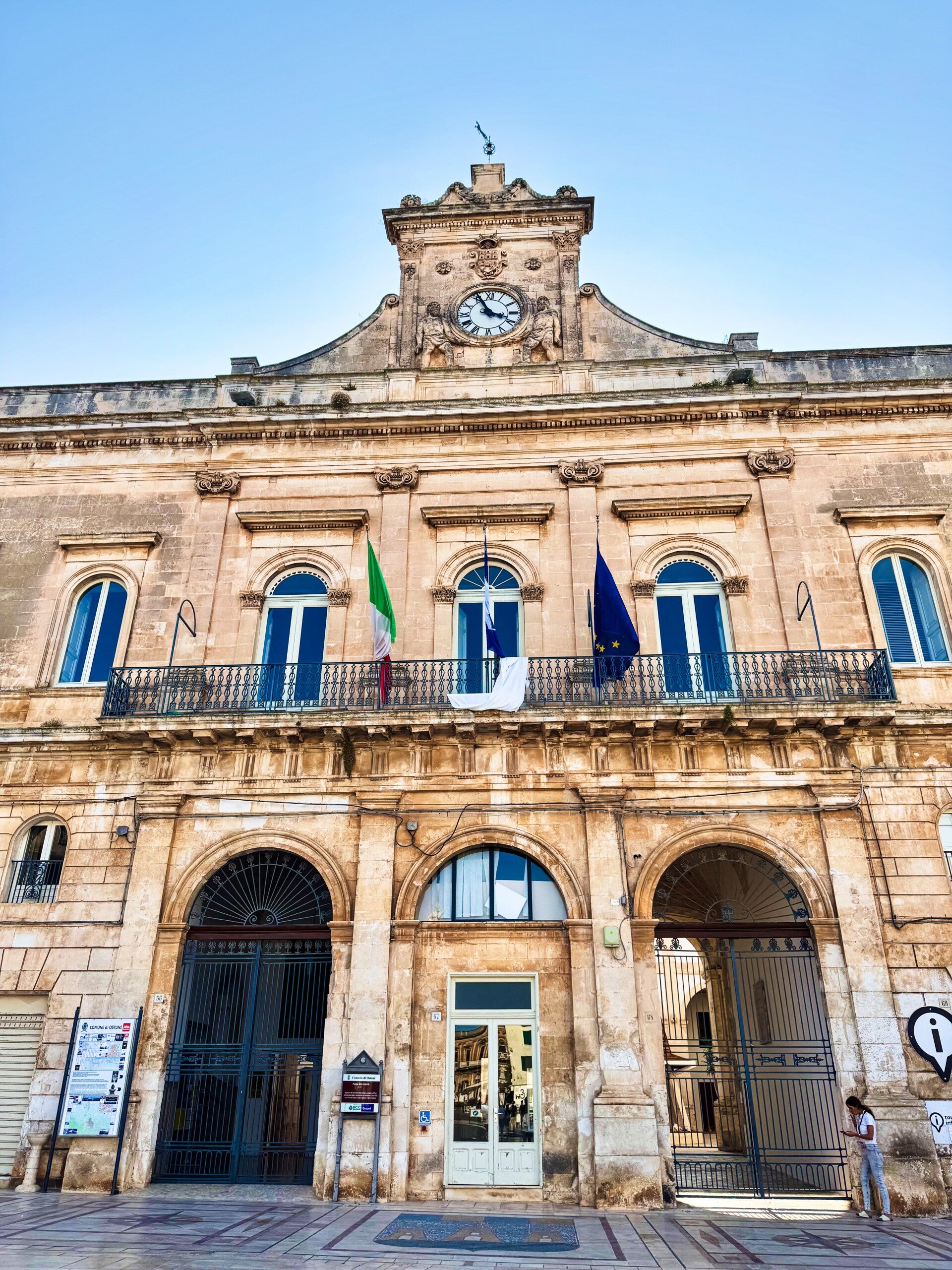
Ostuni, also known as the White City, truly lives up to its name. The countless whitewashed houses glowing in the sunlight give the town a charming, almost Mediterranean–fairytale feel. We parked near the Ferris wheel and, after a short five-minute walk, arrived at Piazza della Libertà, the square where many visitors begin their exploration of Ostuni.
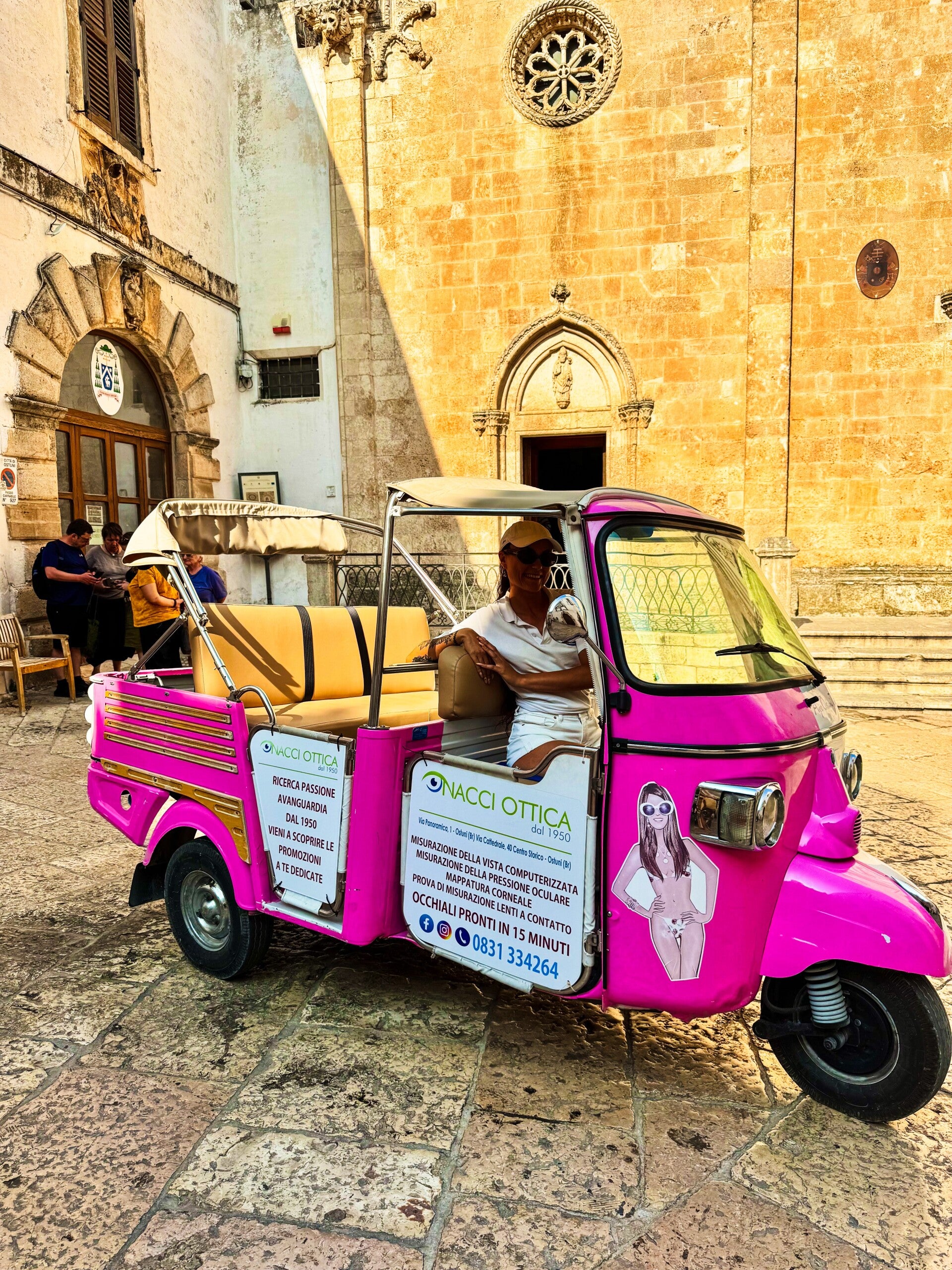
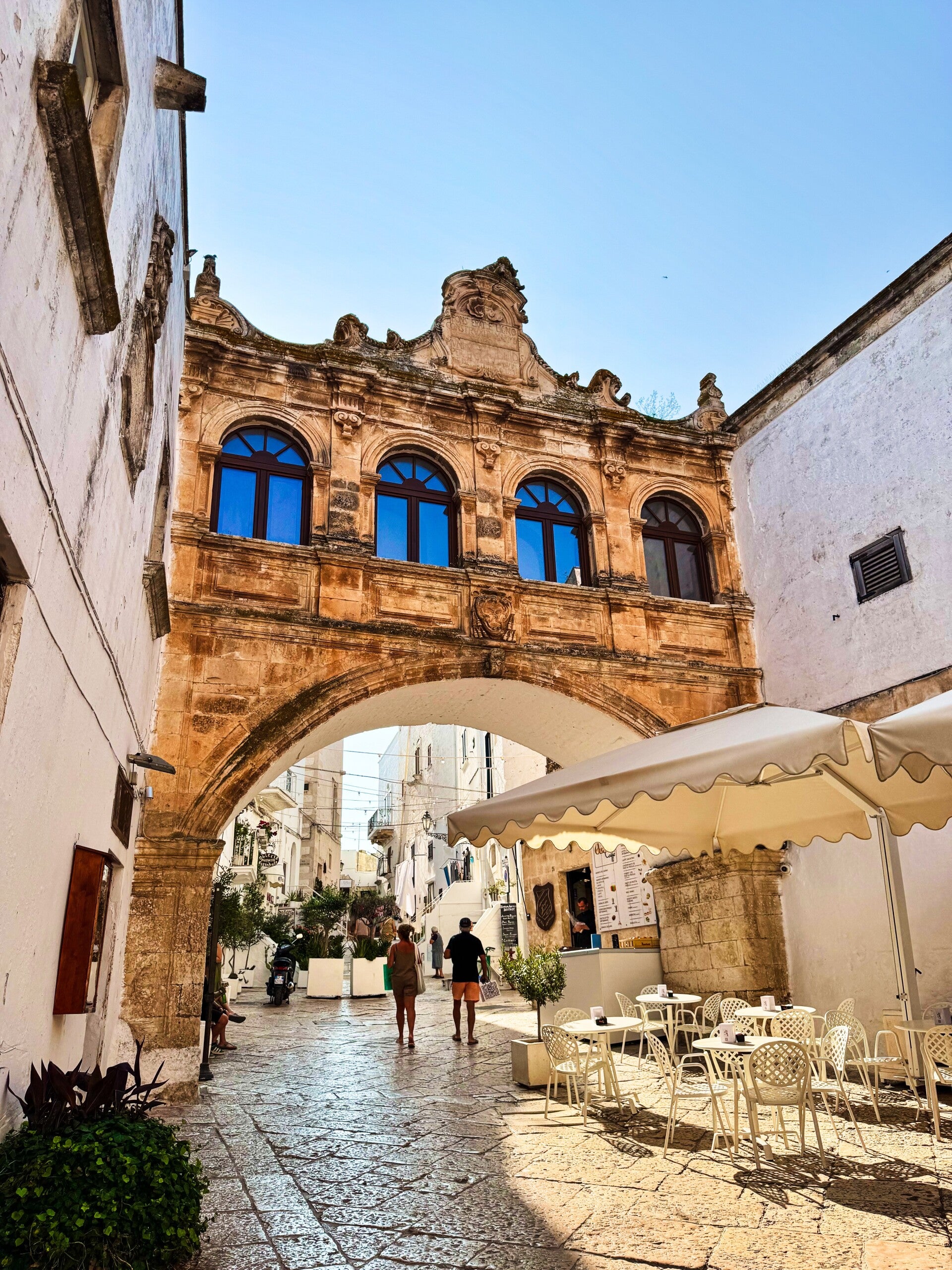
One of the most famous landmarks of the city is the historic arch bridge Arco Scoppa. The path leading up to it is quite steep, so we decided to take a tuk-tuk for 20 EUR, which conveniently brought us right to the top. On the way back down, we wandered through the narrow alleyways and enjoyed the peaceful stroll.
Arco Scoppa has an interesting history: it was originally made entirely of wood but was later rebuilt in stone to ensure it would stand the test of time. Apparently, the iconic Bridge of Sighs in Venice served as inspiration.
Overall, Ostuni was lovely to visit and certainly worth seeing. But despite all the hype surrounding the city, I must admit that I was a little underwhelmed. There are other towns in Apulia that I personally found even more charming, perhaps because they feel more authentic and less crowded.

Martina Franca
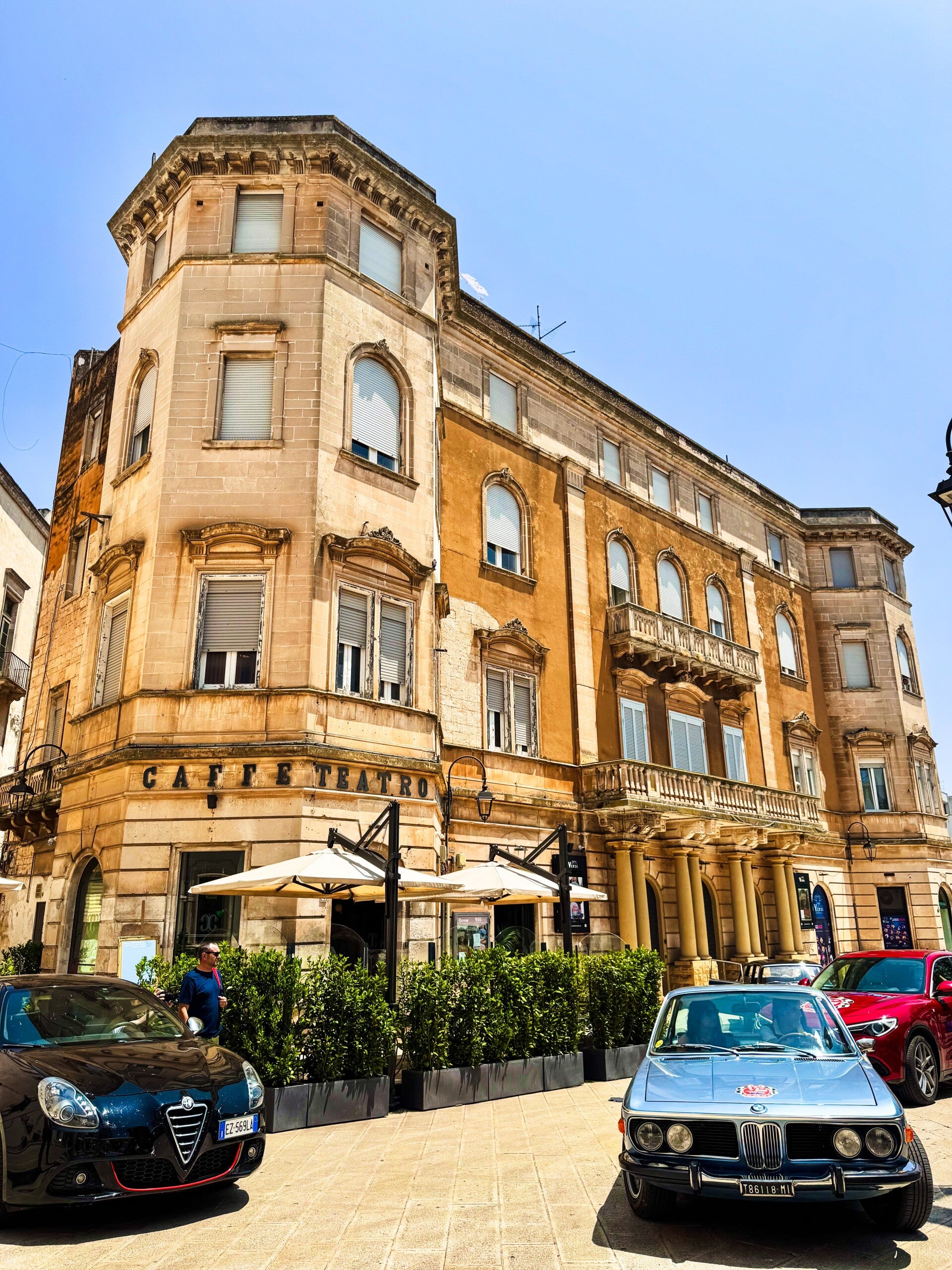
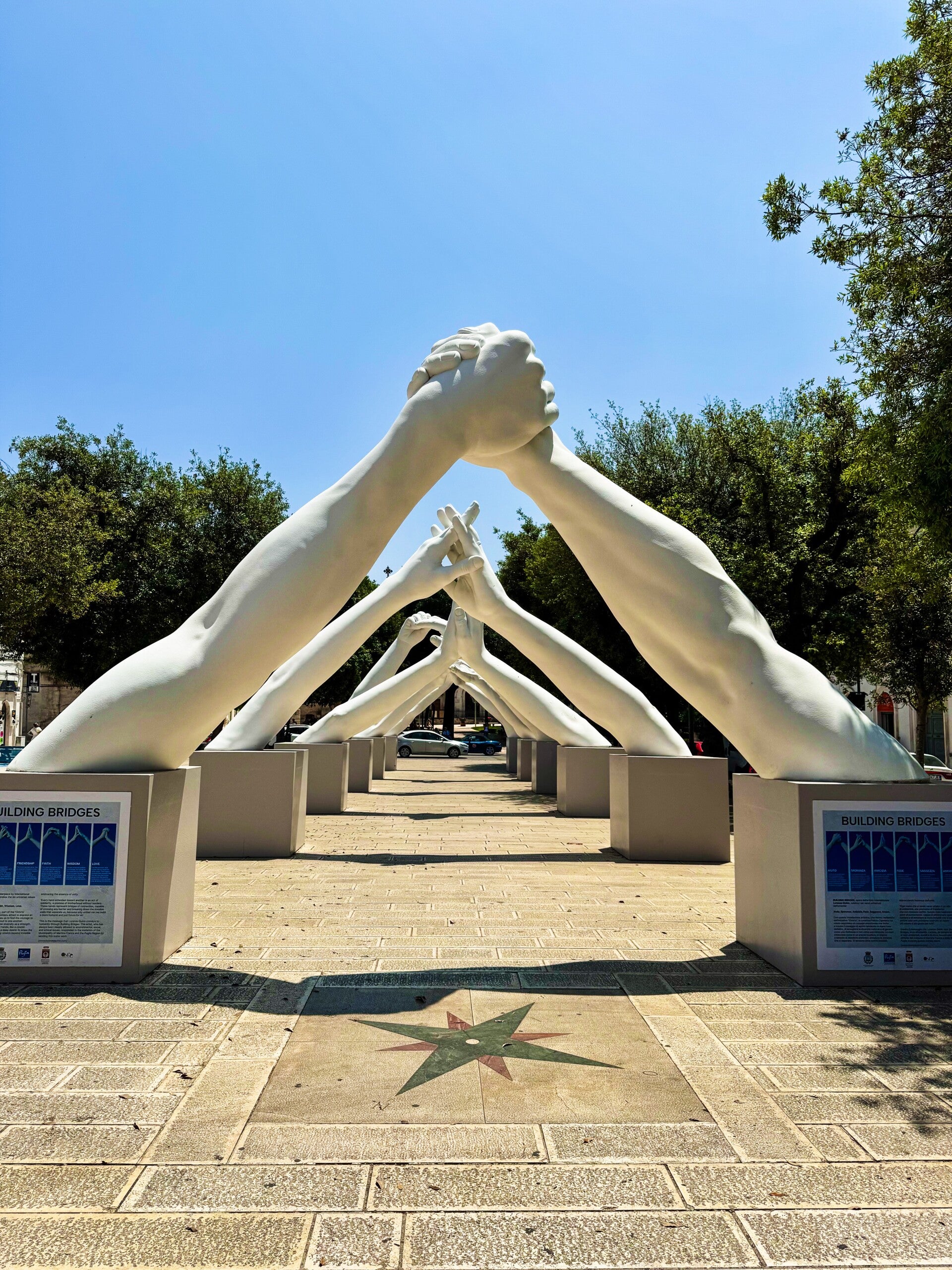
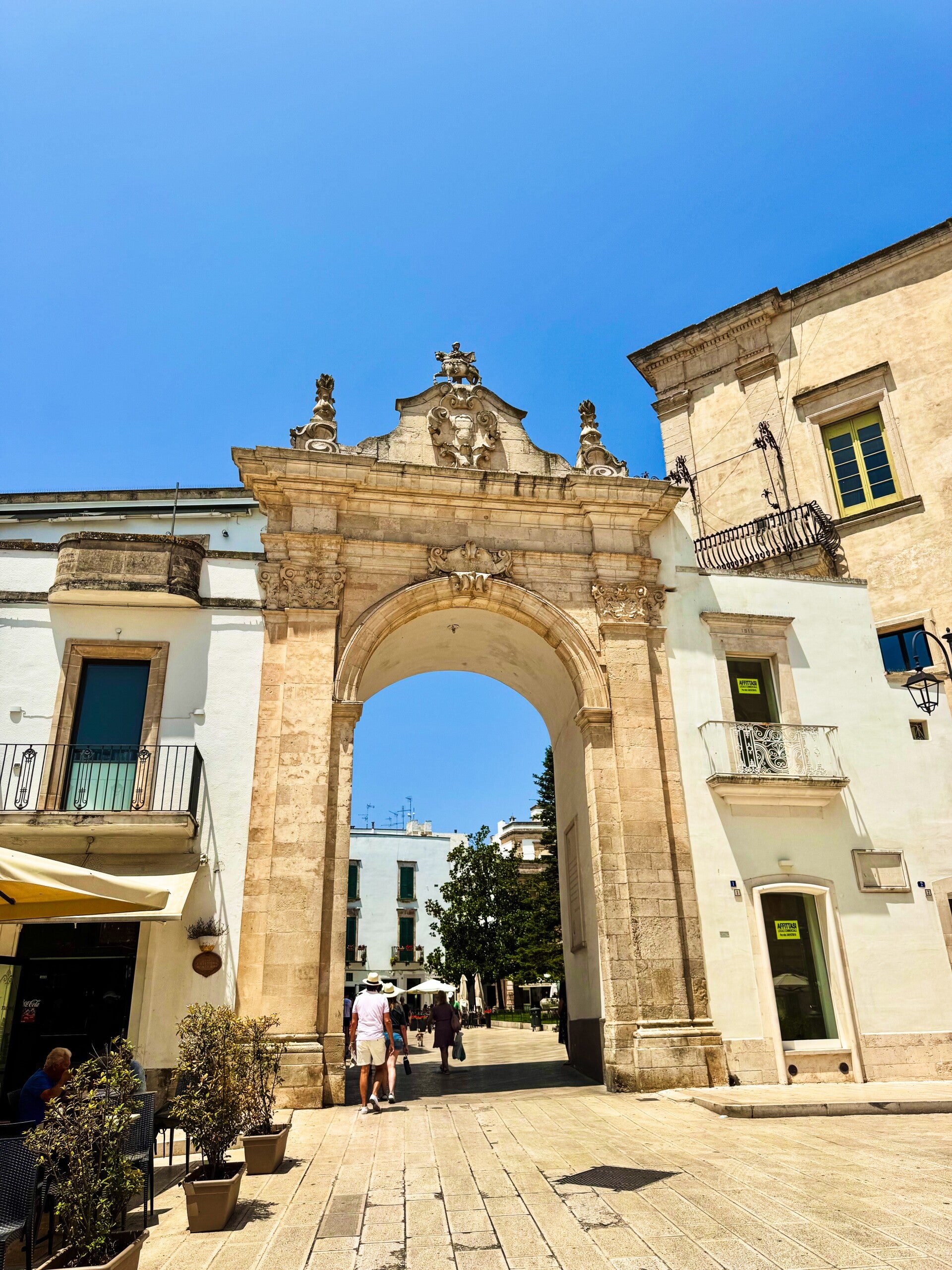
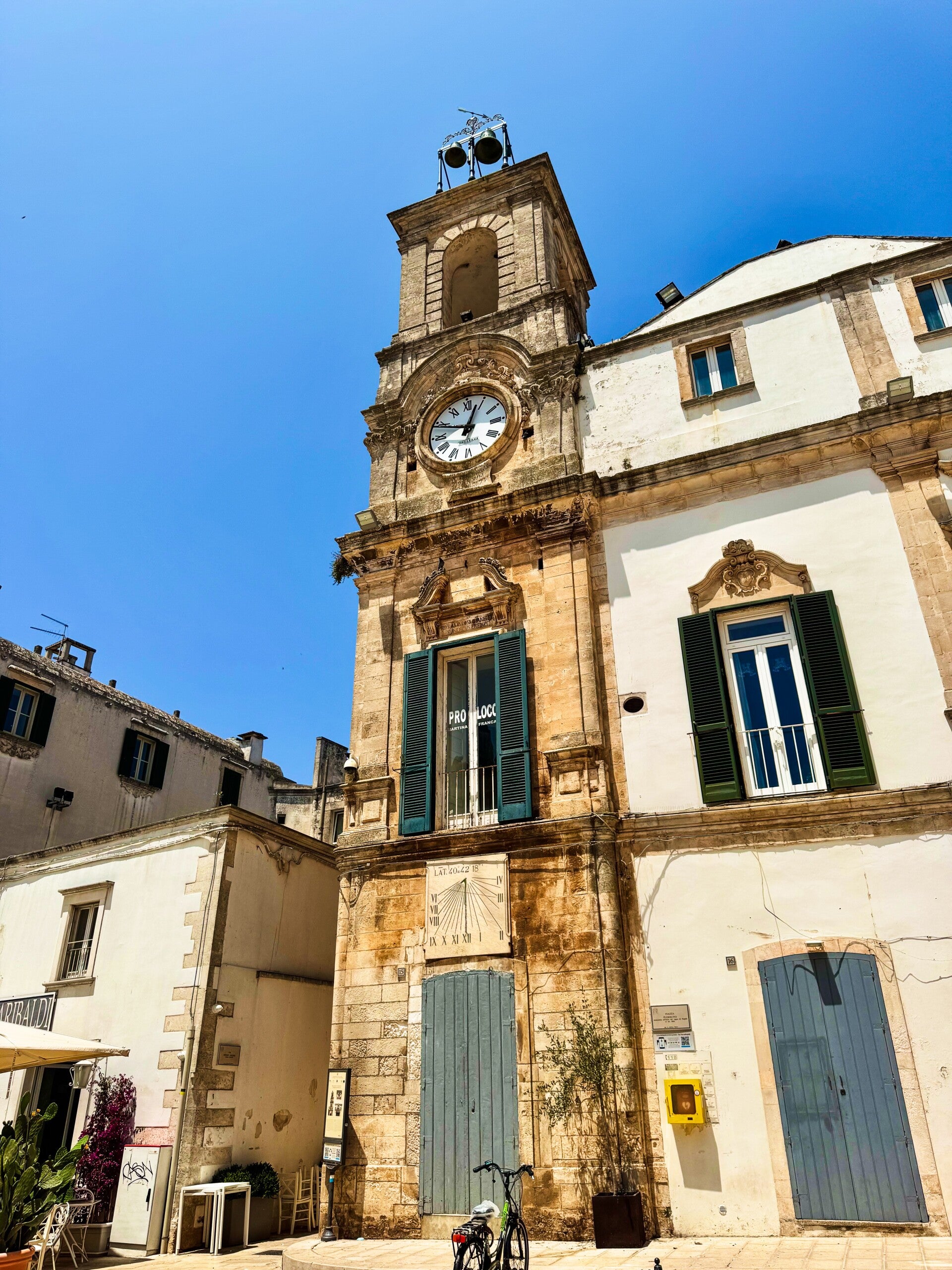
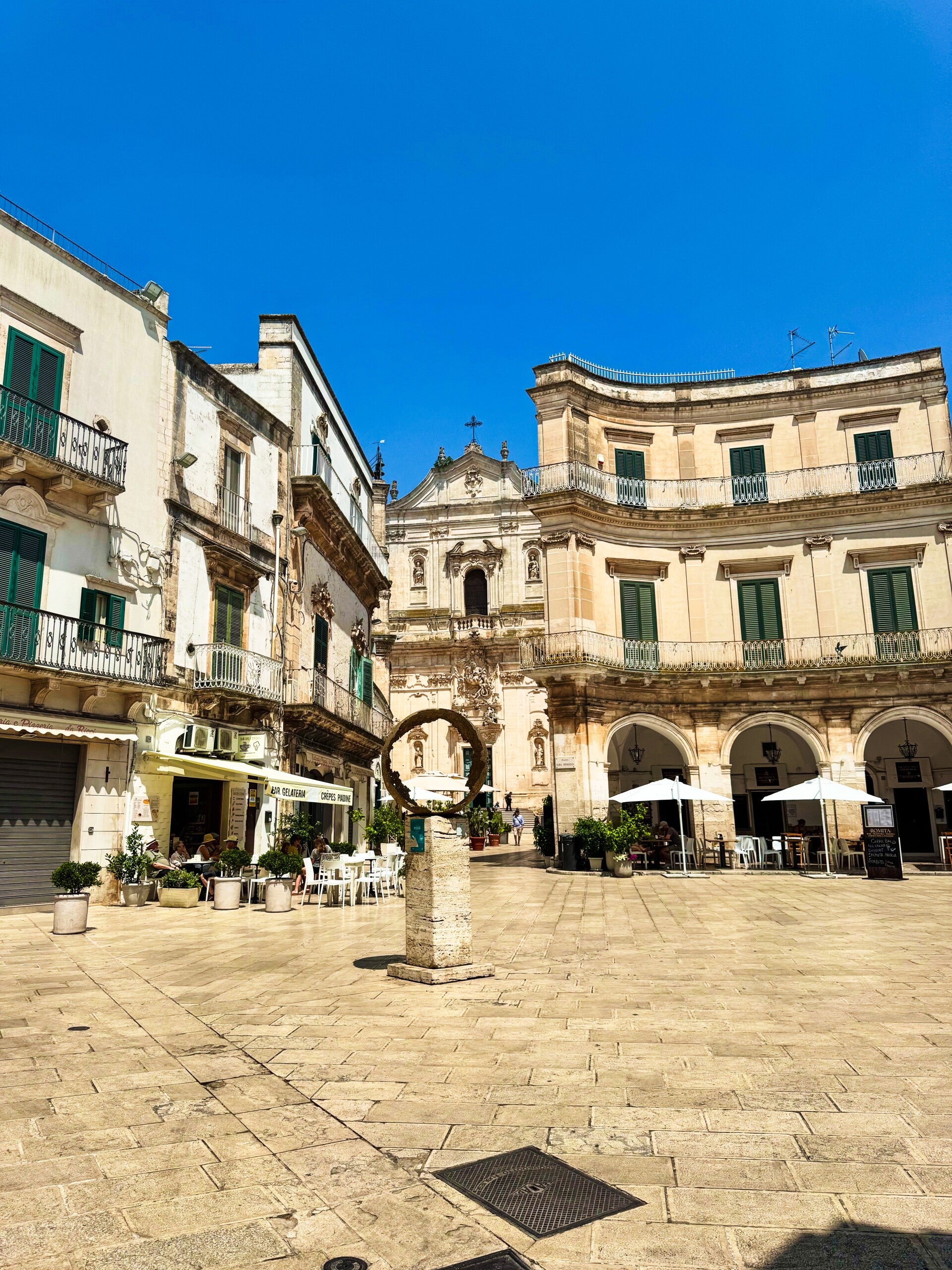
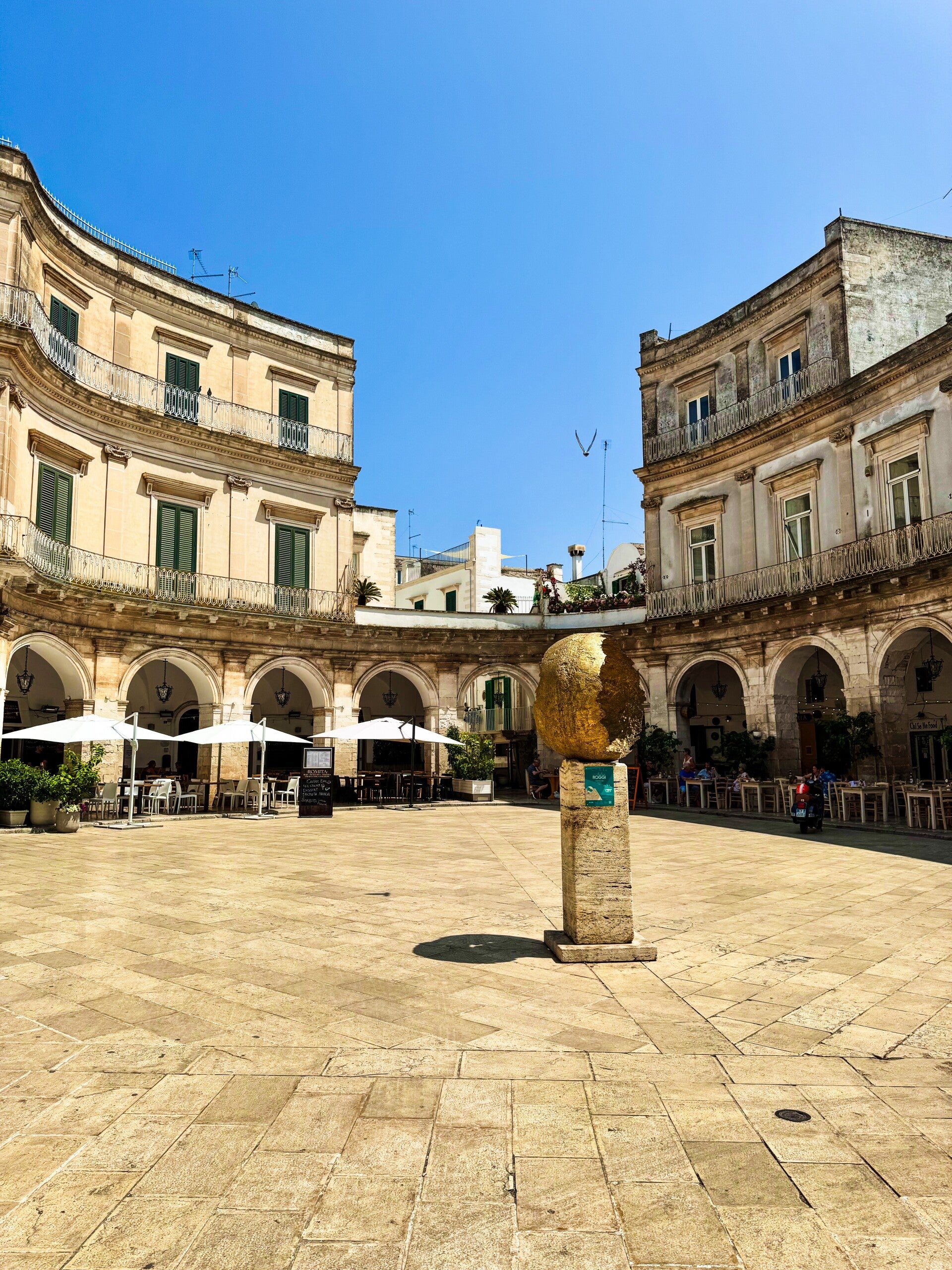
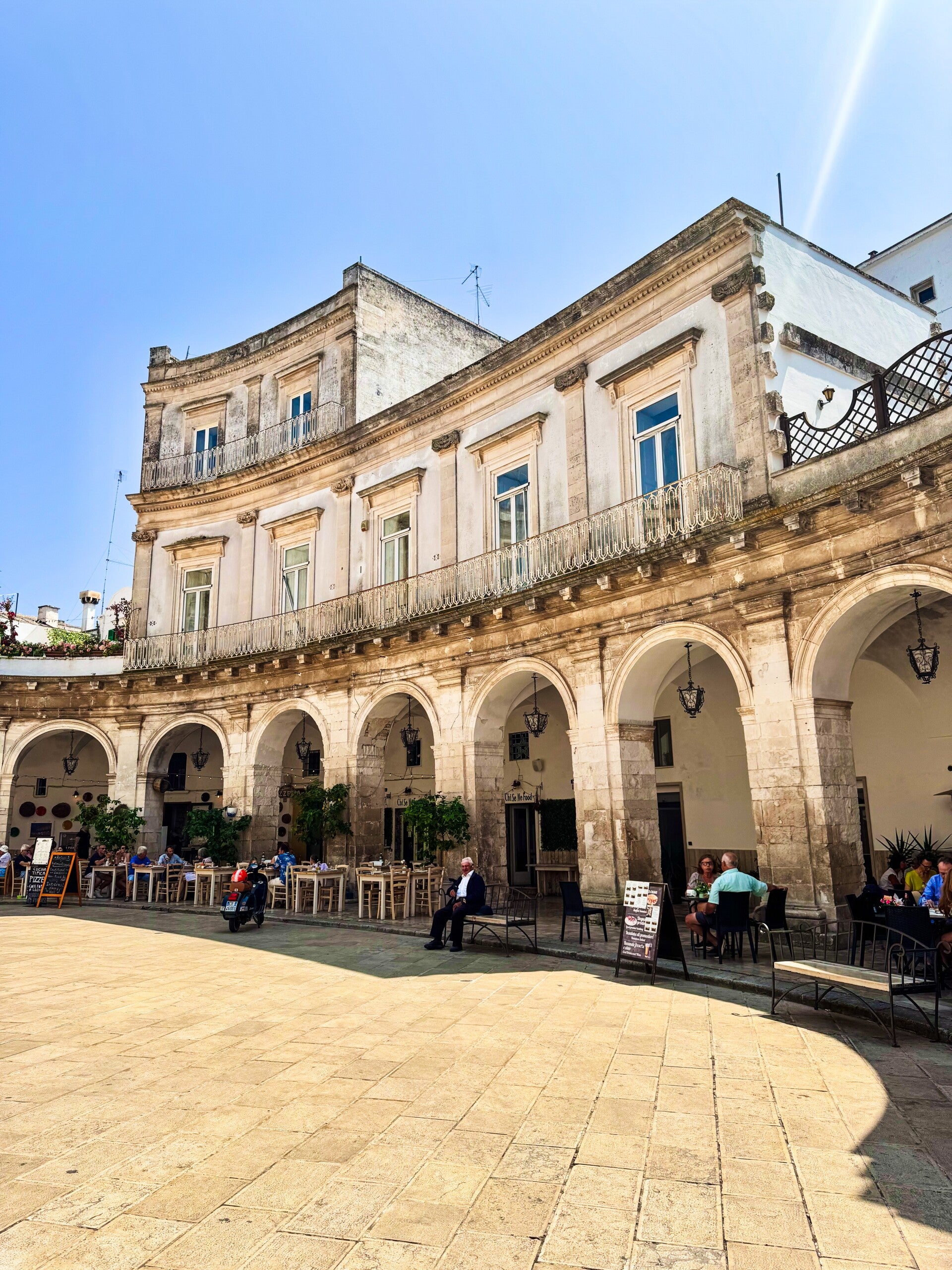
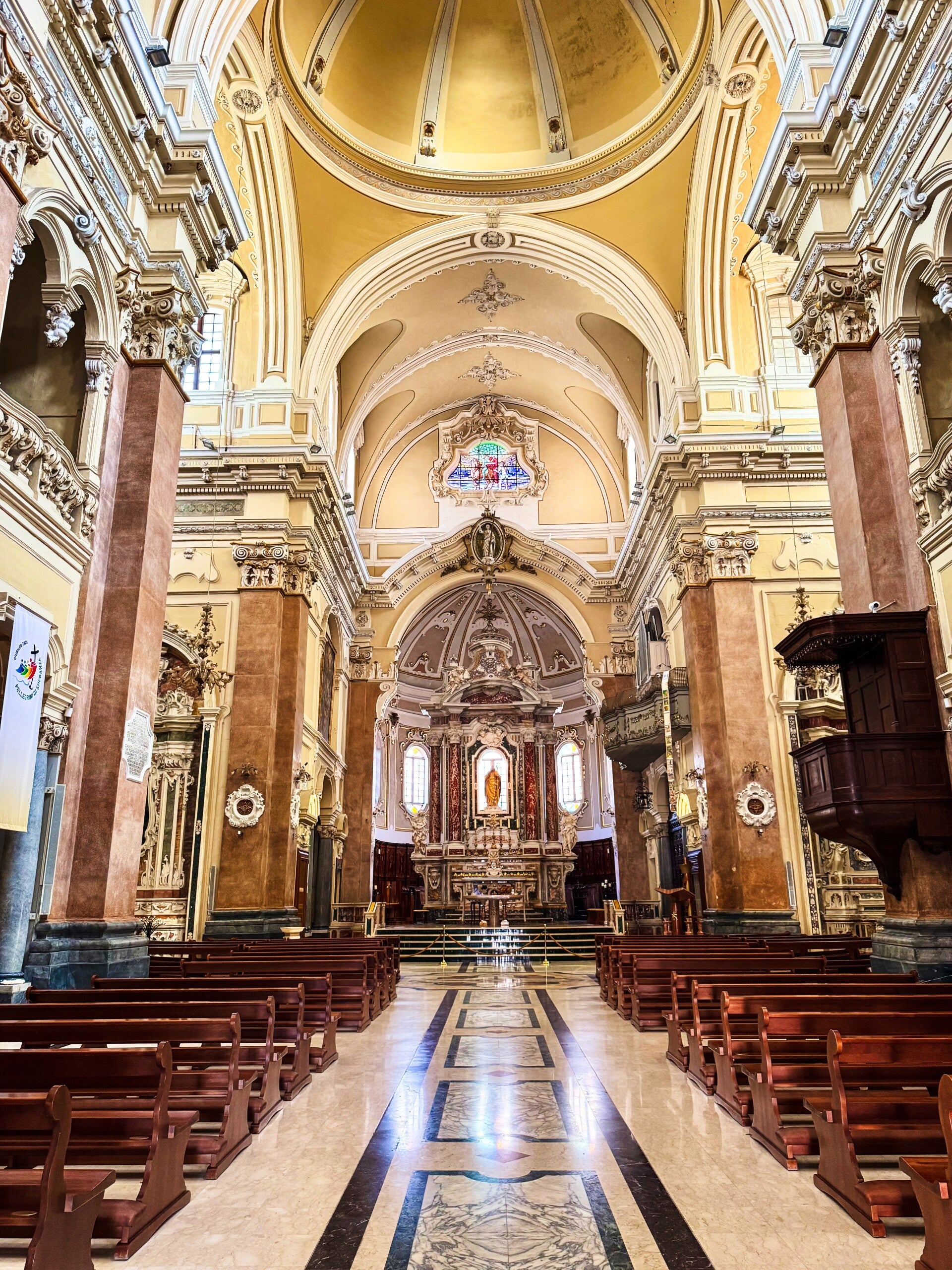
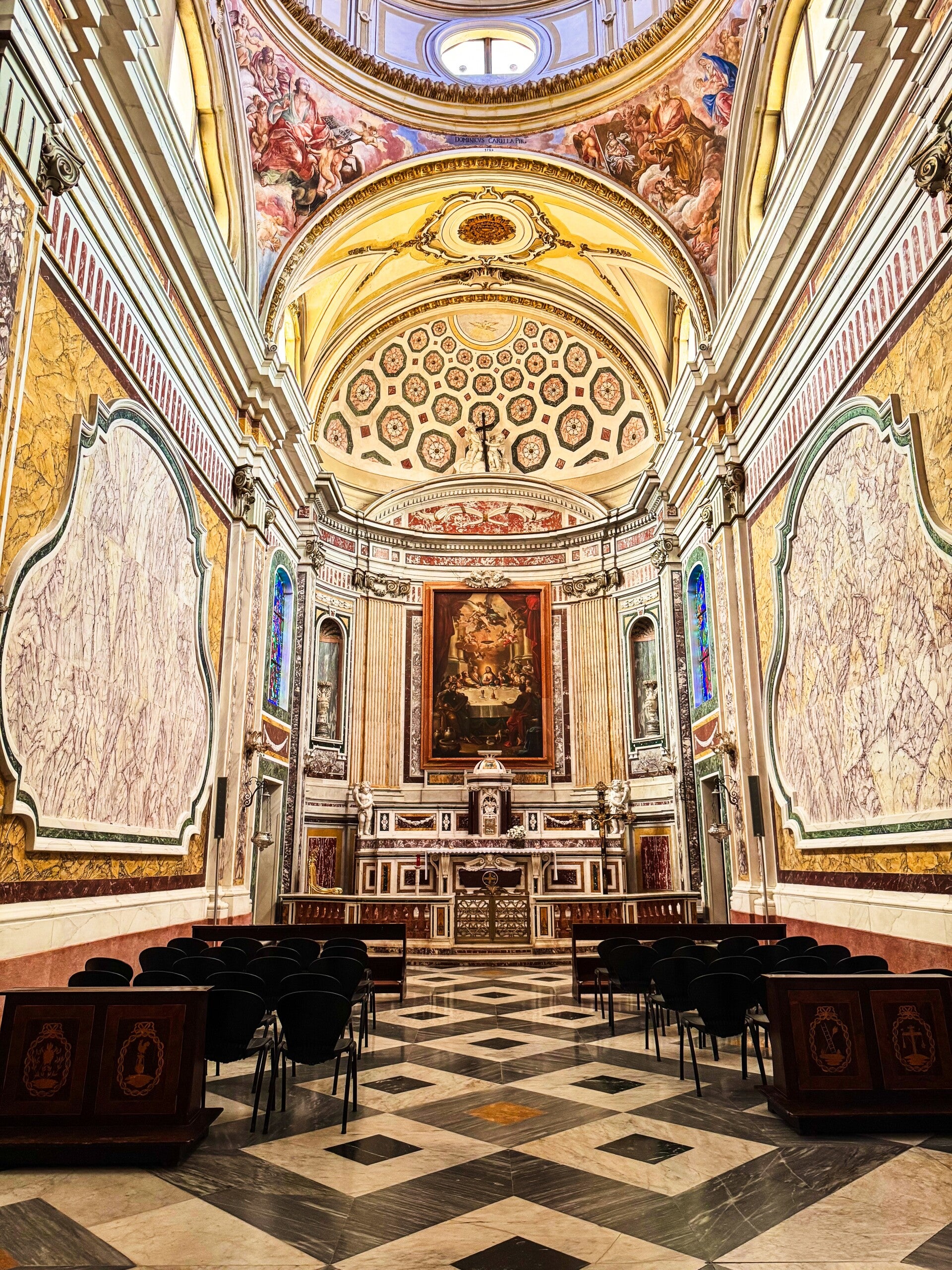
In the heart of the Valle d’Itria lies Martina Franca, a town that surprises visitors with its quiet elegance. From the very first walk through the historic center, you feel transported to another era: light limestone fades, wrought-iron balconies, and richly decorated portals tell stories of the Baroque prosperity of past centuries. Especially around the Palazzo Ducale, the town reveals its full charm – stately yet never ostentatious, refined and perfectly balanced.
Away from the main streets, it’s easy to lose yourself in the narrow lanes, where laundry lines stretch between the houses. Martina Franca has not been overrun by mass tourism, and that is precisely what makes the town a perfect stop along the way.

Restaurants
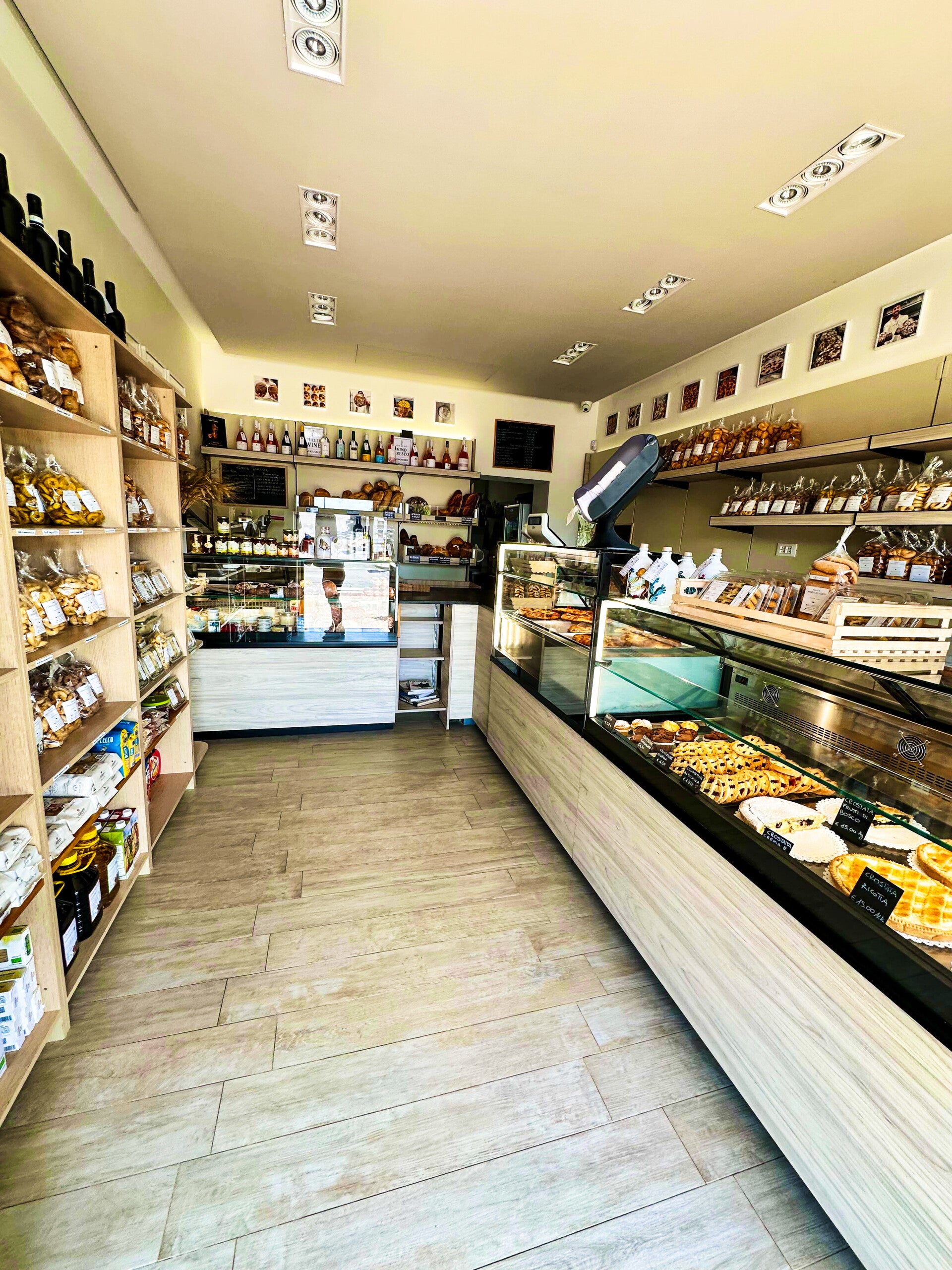
Just a five-minute drive from the house, there’s a fantastic bakery – Panificio L’Angolo del Gusto. The bread was heavenly, and the food was so good that we ended up getting our breakfast there every single morning.
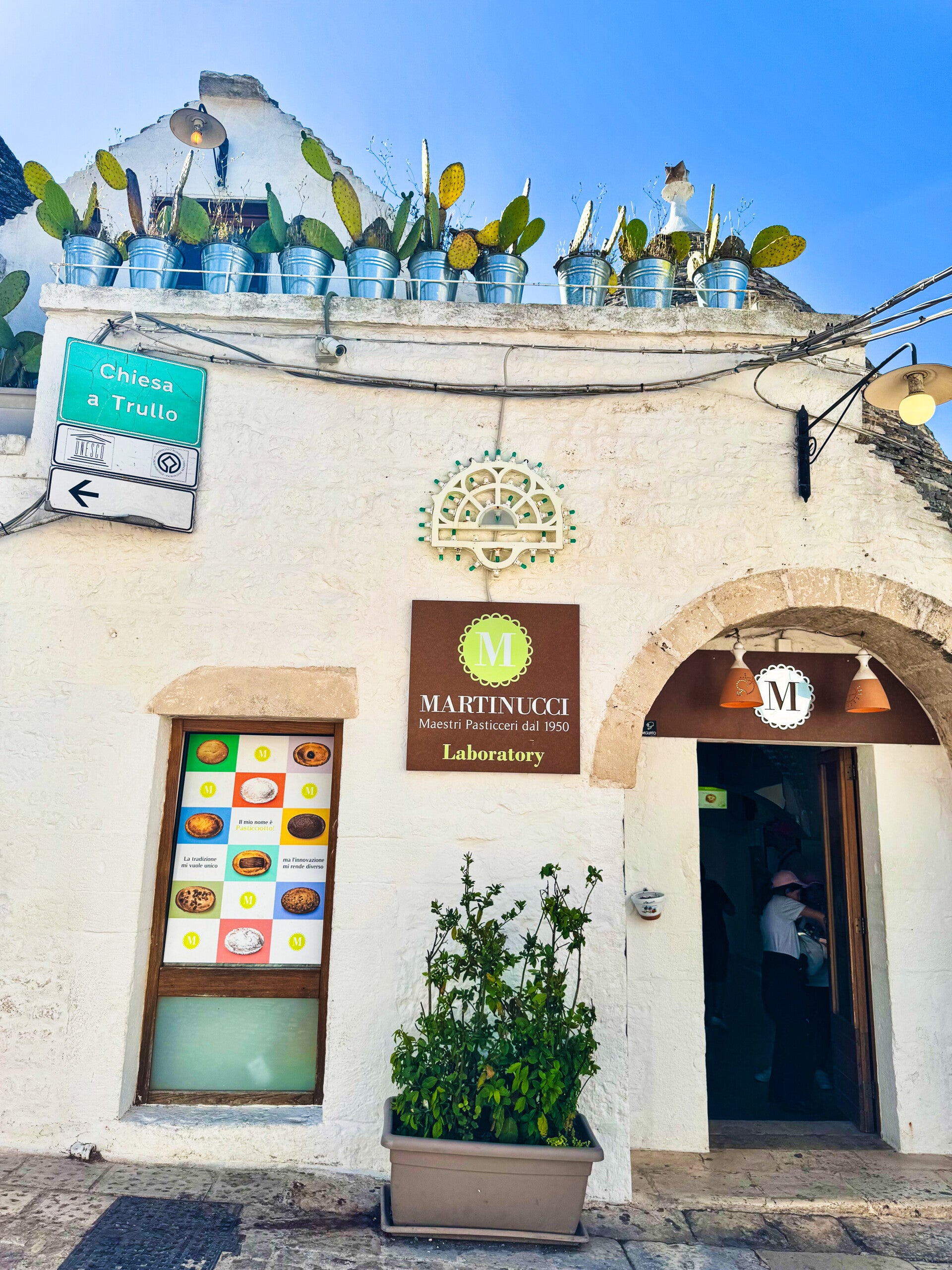
In Alberobello, I can highly recommend the pastry shop Martinucci. Make sure to try a pasticciotto while you’re there – it’s a true specialty of Apulia and absolutely delicious!
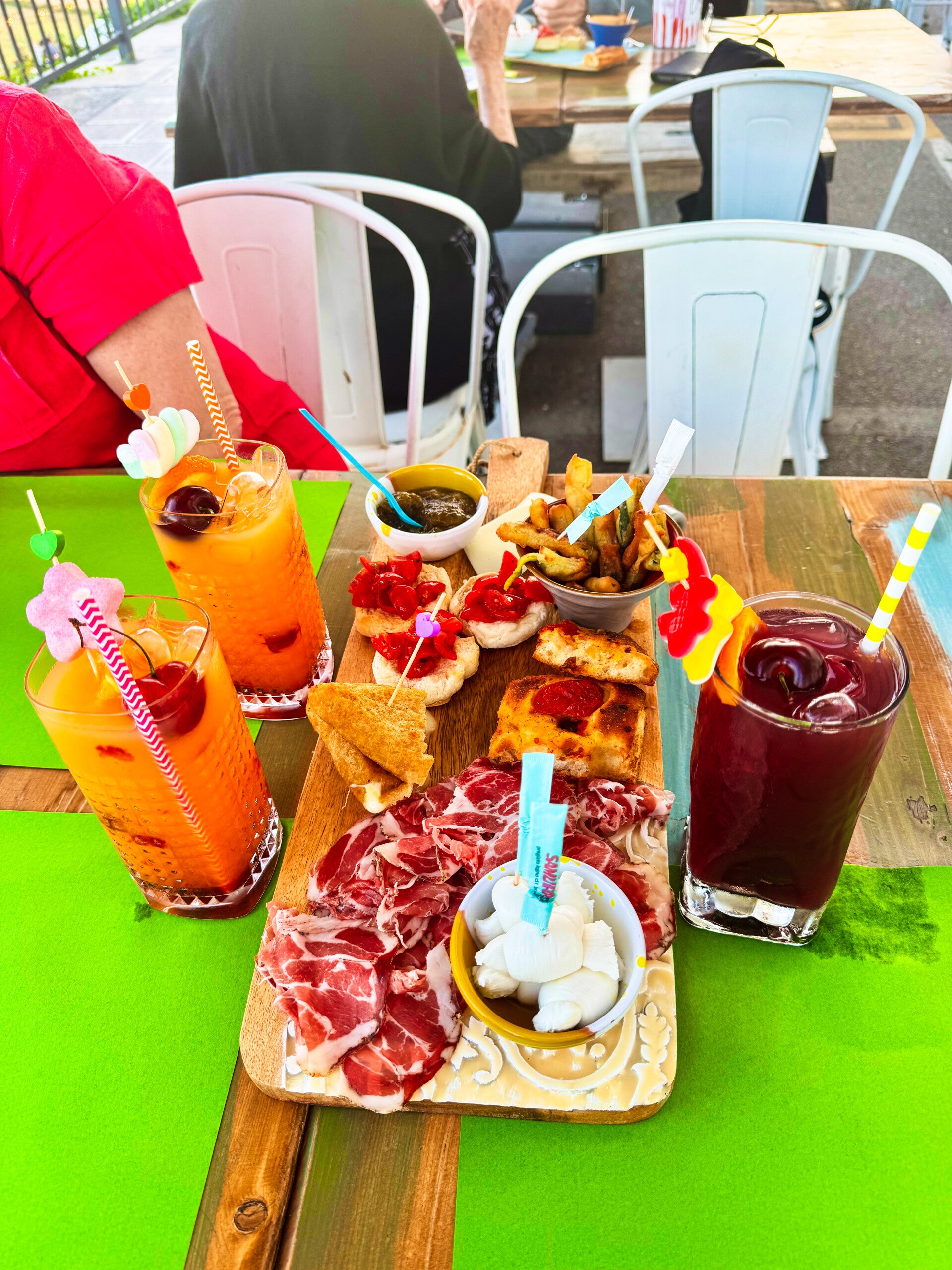
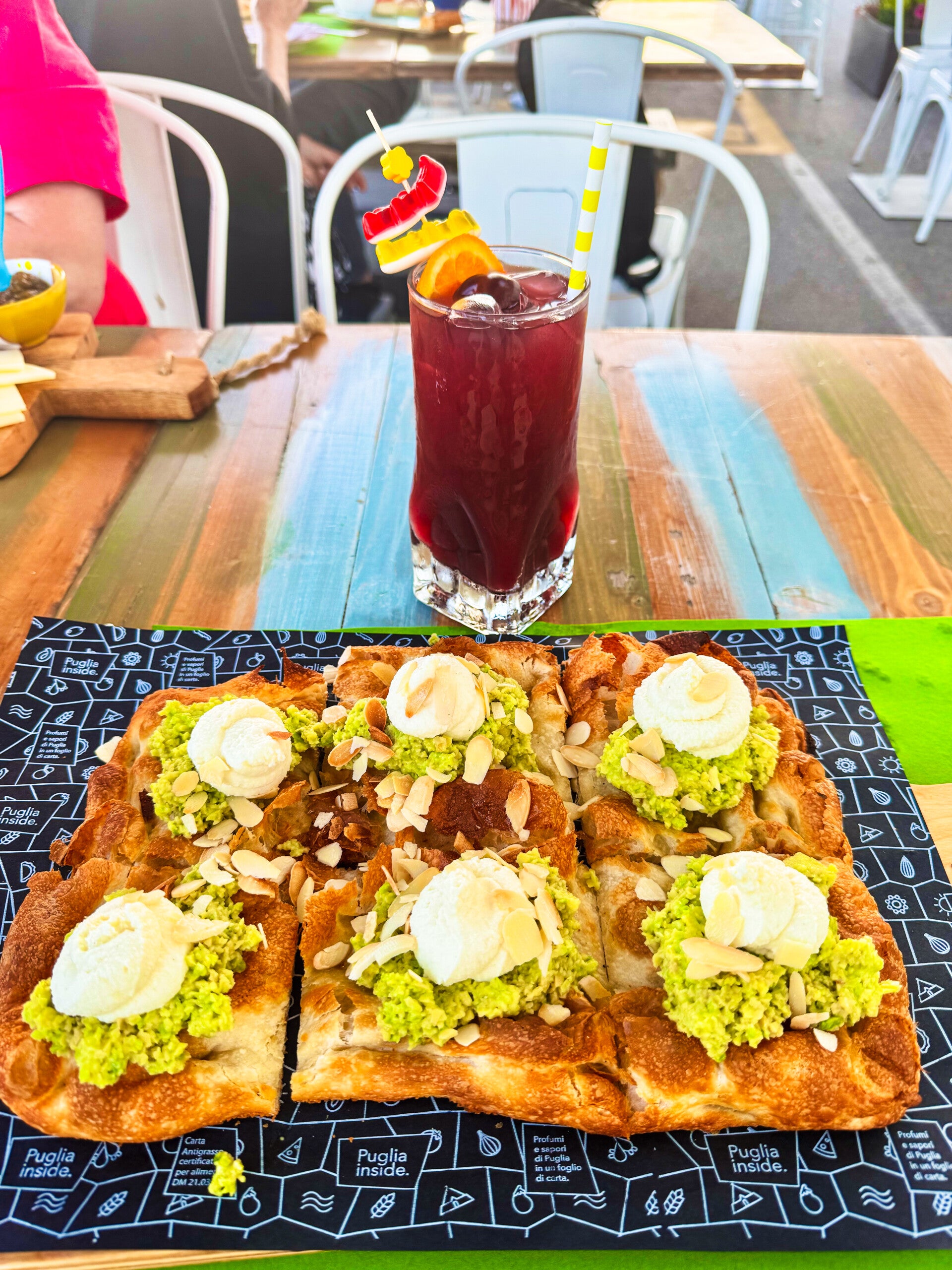
A real highlight in Locorotondo is Bel Sit. From the terrace, you can enjoy a breathtaking view over the Valle d’Itria, and the drinks with gummy bears are not only delicious but also a real eye-catcher! I was also very impressed by how exceptionally clean the restaurant was – overall, it’s a place where you can truly feel comfortable and relaxed.
If you're renting a house in Apulia and are staying near Montalbano like we did, I can highly recommend the Famila supermarket in Ostuni. They have a wide selection of groceries, and we always found everything we were looking for. You can even shop there on Sundays.
If you're in the mood for delicious gelato in Bari, I can highly recommend Gelateria Gasparini, which has been around since 1936.
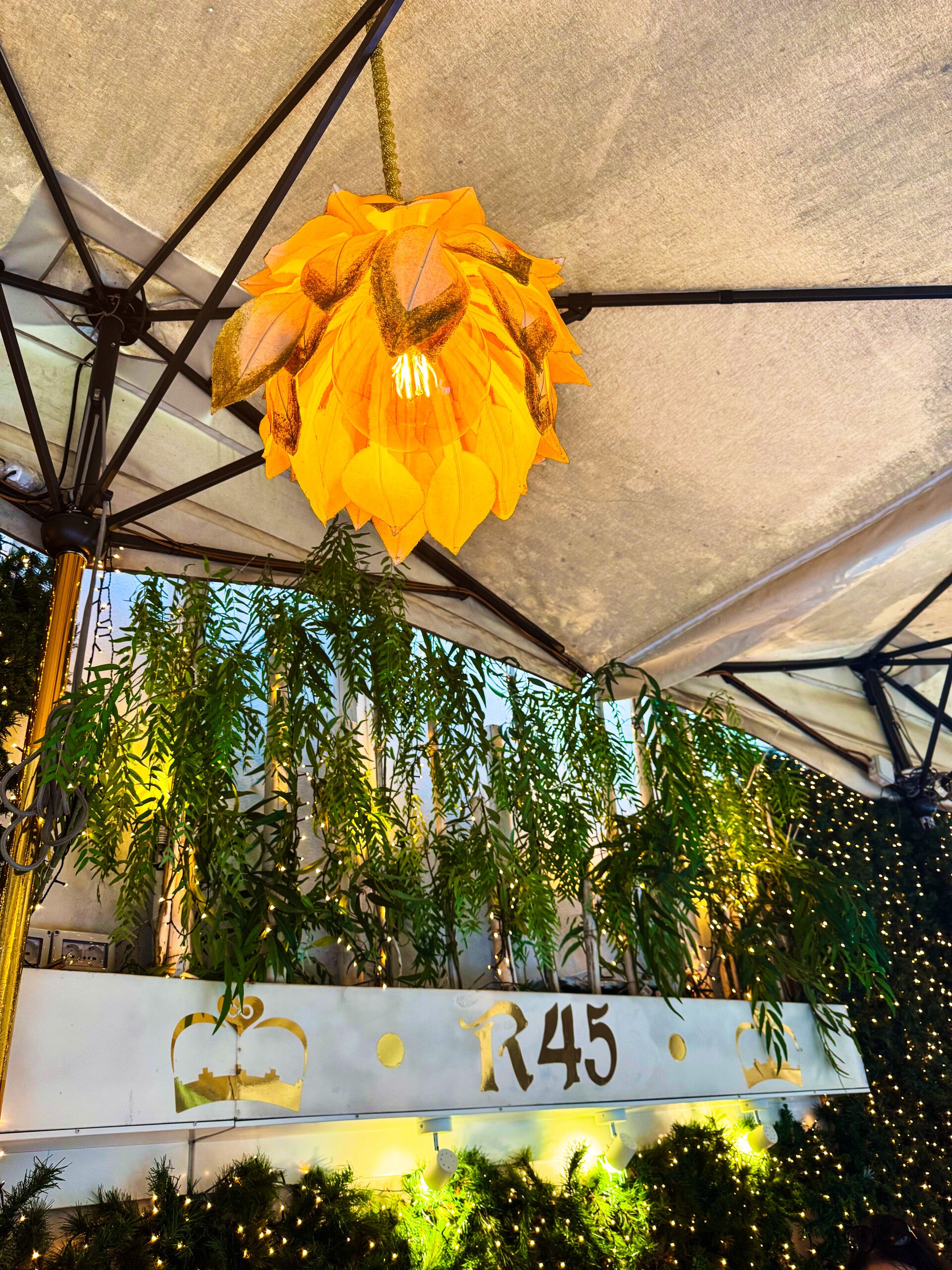
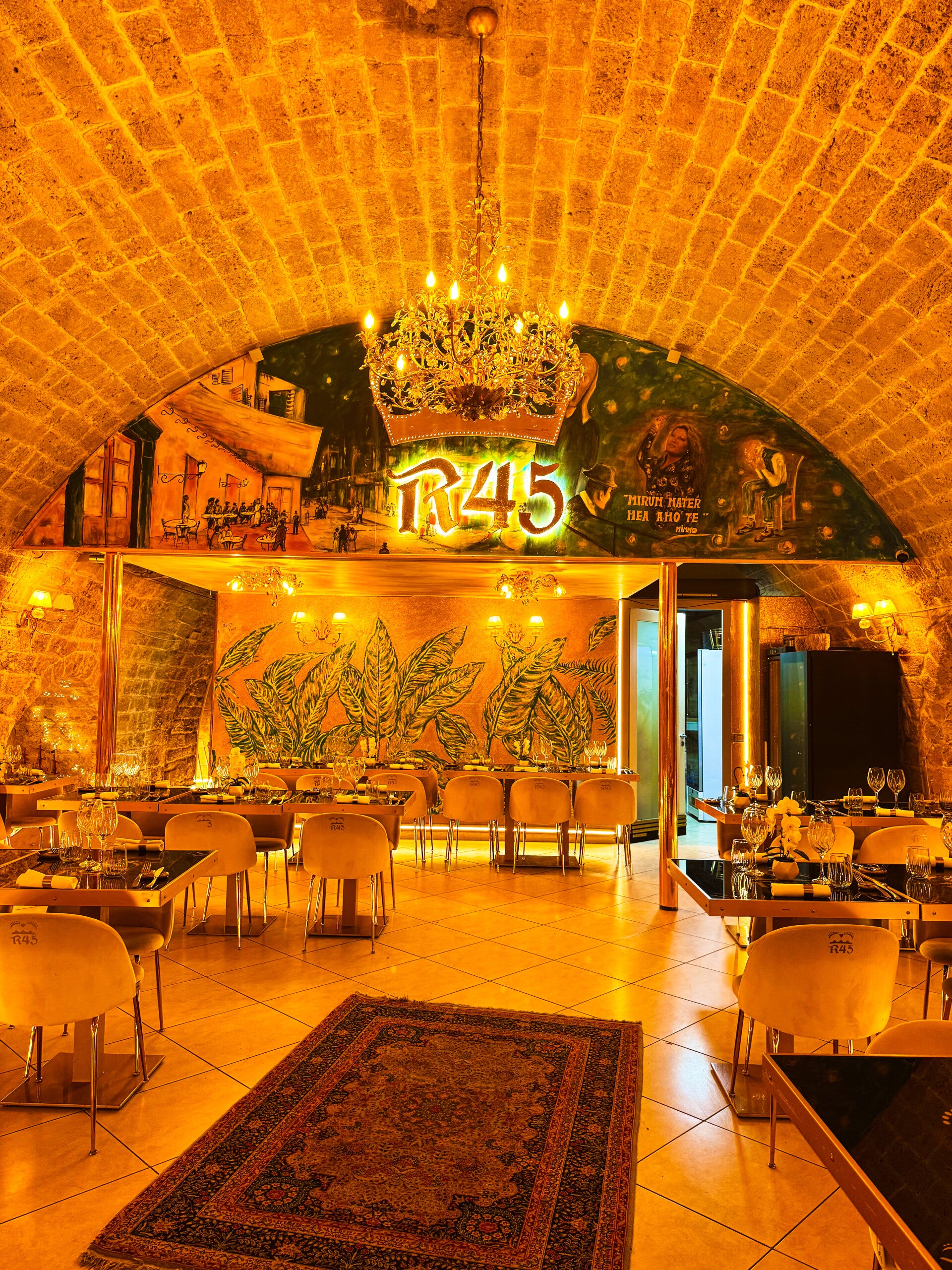
For dinner in Bari, we chose the R45 Restaurant, which we stumbled upon during our walk. The exterior immediately caught our attention, and we ended up eating very well. Of course, we ordered Orecchiette—after all, this pasta originates from Bari.
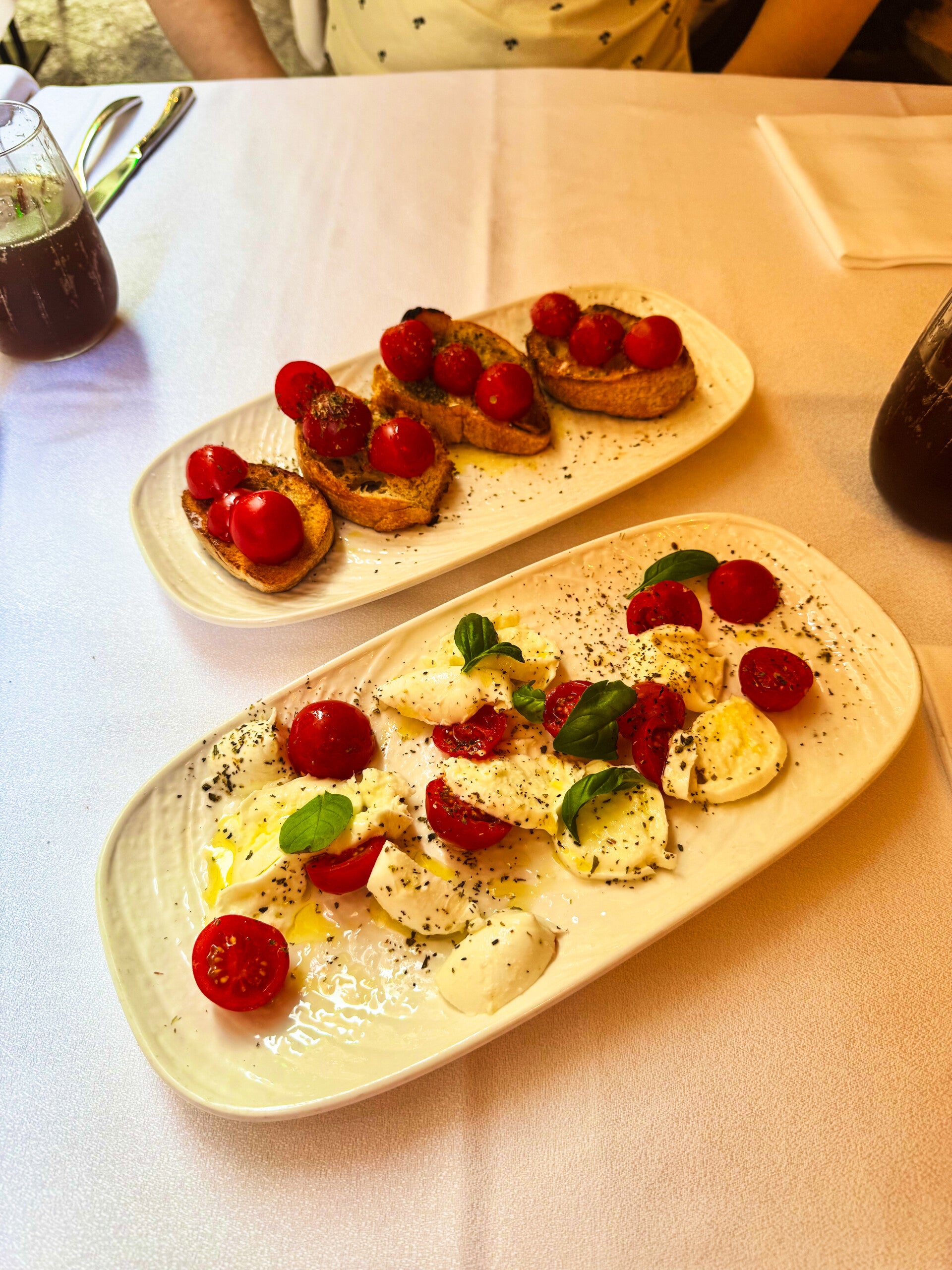
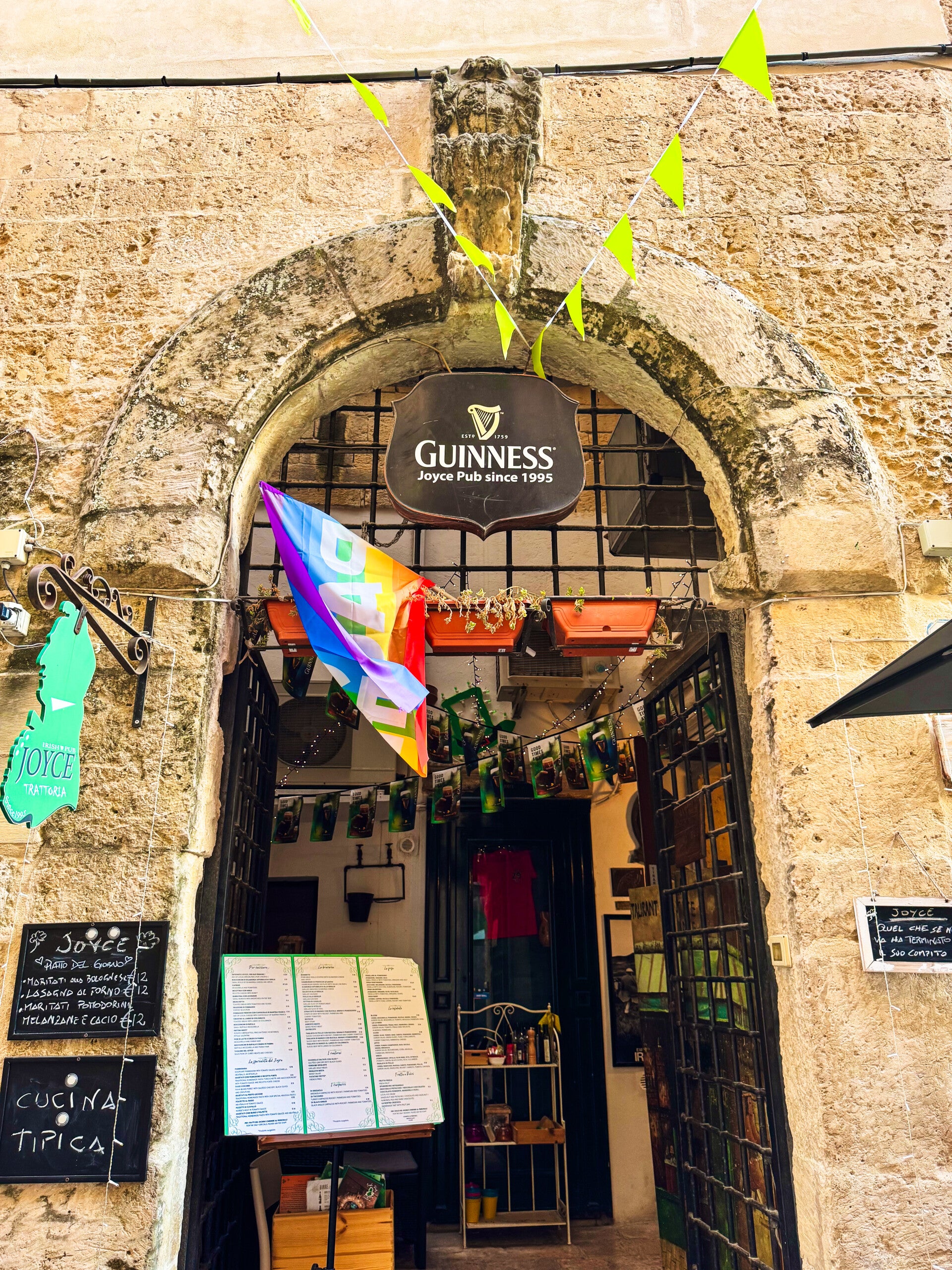
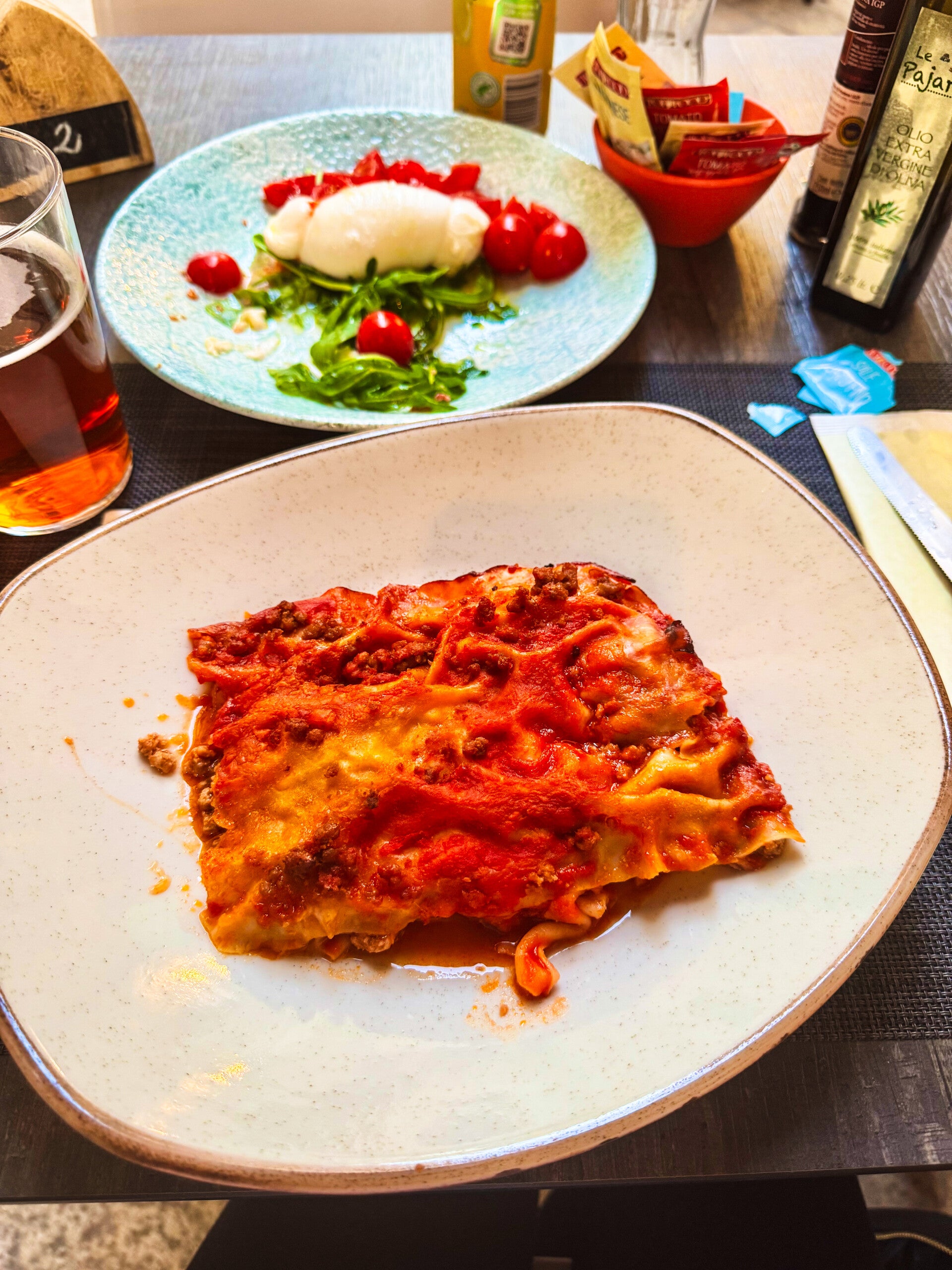
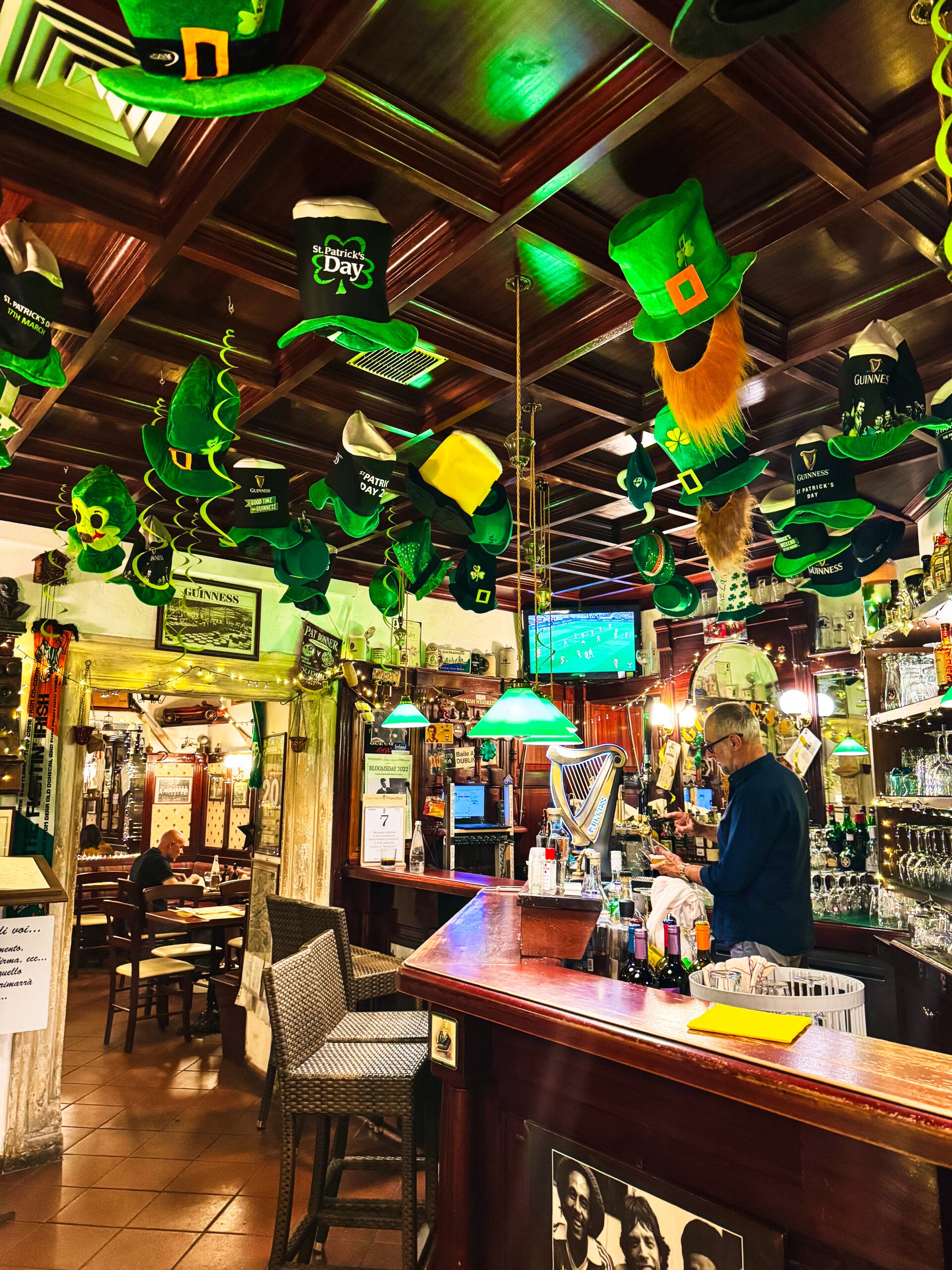
My absolute favorite restaurant in Lecce was Joyce Trattoria Tipica Salentina. Funny enough, it’s actually an Irish pub—which somehow makes the place even more charming. I felt incredibly comfortable there. Sitting in a little alleyway between the buildings, enjoying our meal, was simply beautiful and so cozy. And the homemade lasagna? An absolute dream! I would go back there again any time.



Closing words
Our time in Apulia was everything we hoped for, and so much more. Whether you’re exploring medieval towns, relaxing by the pool of your holiday home, or tasting yet another scoop of gelato – Apulia offers a beautiful mix of culture, nature, and authentic Italian charm. It’s a region that invites you to slow down, enjoy the moment, and discover something new each day. Would we return? Absolutely. There’s still so much left to explore, and we’re already excited for the next time we get to wander through the sunlit streets of southern Italy.
Add comment
Comments